Samsung Vietnam Expands Solar Commitment with Bac Ninh Rooftop Installation
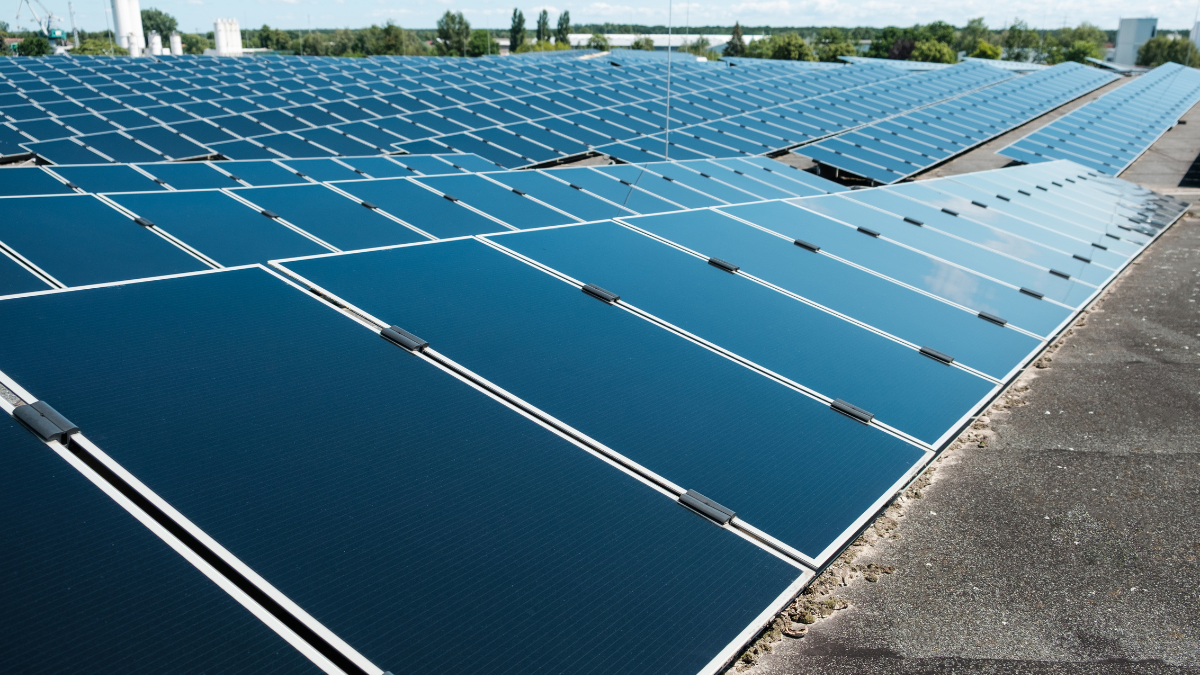
When multinationals lead the charge in industrial rooftop solar sustainability, the impact reverberates across supply chains. Samsung Vietnam’s new 3.2MW Bac Ninh solar array demonstrates how factories can slash emissions while boosting operational efficiency. This isn’t just corporate greenwashing – it’s a strategic play leveraging Vietnam’s 1,900 kWh/m² annual solar irradiance with typhoon-resistant engineering.
Factory Rooftops: Vietnam’s Solar Powerhouses
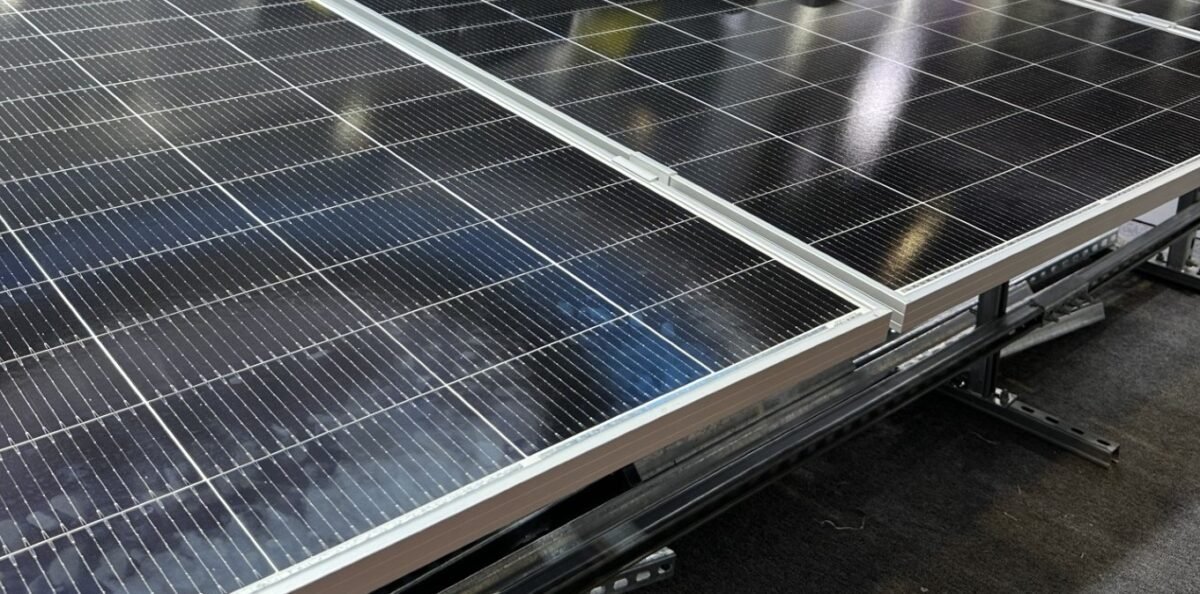
Industrial parks represent untapped potential for sustainable manufacturing with rooftop solar. Samsung’s facility now hosts commercial-grade LONGi Hi-MO 5 bifacial panels capturing sunlight from both sides, delivering 21.3% efficiency. The Unirac mounting system withstands 150km/h winds – critical for Vietnam’s storm-prone climate.
Grid Integration Without Storage
Samsung’s approach highlights solar’s evolving economics. Rather than pairing with expensive batteries, the plant uses Vietnamese net metering policies through Fronius Symo inverters. This grid-tied solution proves large-scale solar can thrive without storage in markets with favorable feed-in tariffs.
Measurable Environmental & Economic Impact
The numbers speak volumes:
- 2,800 tons annual CO2 reduction
- Equivalent to removing 600 SUVs from Hanoi’s roads
- 15% reduction in plant electricity costs
These industrial solar savings make the business case compelling even without subsidies.
Catalyzing Vietnam’s Renewable Transition
Samsung’s project used 70% local labor, proving Vietnam’s technical readiness for advanced solar integration. The installation sparks crucial conversations about grid modernization as more factories adopt solar. With solar carports reportedly planned at Thai Nguyen facility, Samsung emerges as Southeast Asia’s unlikely solar pioneer.
Vietnam’s renewable future looks brighter as manufacturers prove solar’s viability at scale. As policies evolve to support solar-plus-storage game-changers, expect more industrial giants to follow Samsung’s lead.