Sweden Boosts Vietnam’s Solar Future with Green Energy Partnership
When Sweden announced its latest push to back Vietnam’s renewable energy plans, the global solar industry took notice. This move marks a strategic alliance, bringing European expertise to Southeast Asia’s fastest-growing solar market.
Vietnam’s Solar Potential
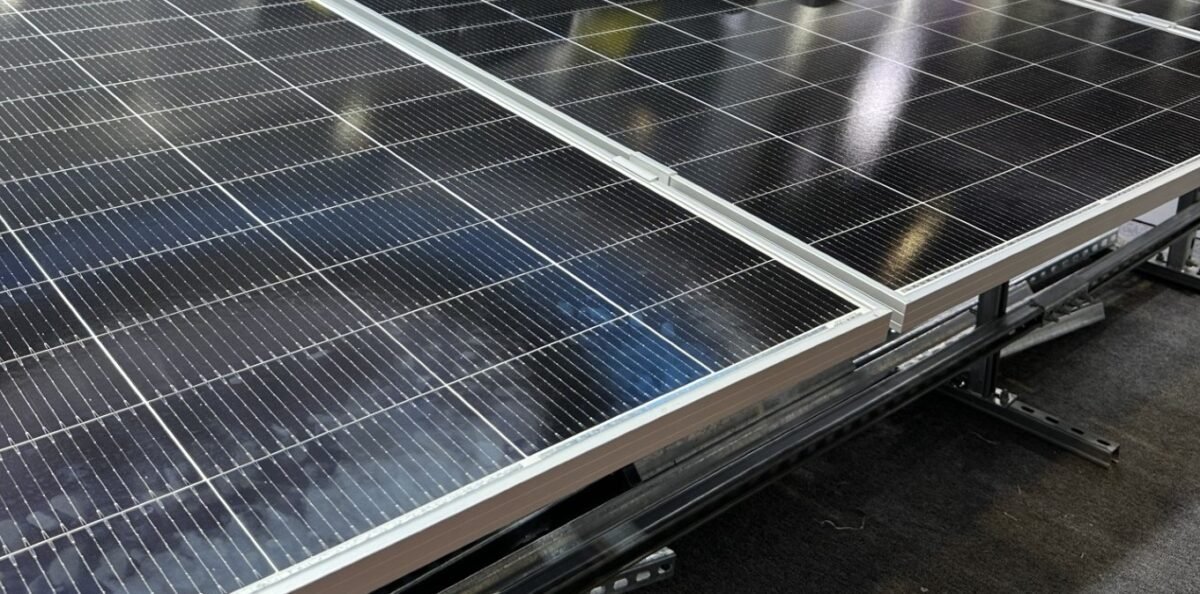
Vietnam’s energy demand grows 10% annually, with coal still dominating the market. However, rooftop solar installations have jumped 25-fold since 2020, indicating a significant shift towards renewable energy. Sweden’s early recognition of this potential mirrors how Tesla saw Australia’s battery boom before others.
Policy and Innovation
Sweden’s support isn’t limited to financial aid; it’s helping rewrite Vietnam’s energy rulebook. This includes smarter feed-in tariffs, smoother permitting for commercial solar farms, and training programs for local installers. Such policy innovations are crucial for integrating renewable energy into the grid effectively.
Battery Storage Solutions
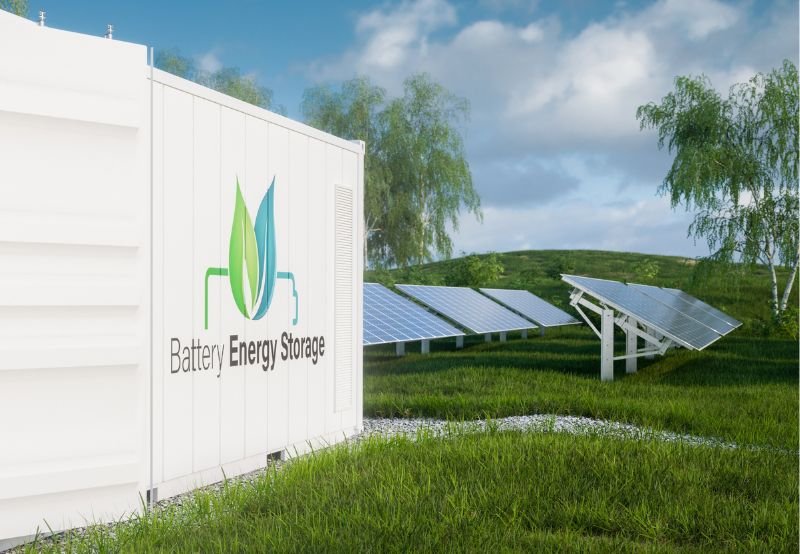
Vietnam’s grid struggles with solar intermittency. The integration of battery storage solutions, like those provided by Nextracker’s solar tech with energy storage, could replicate the success seen in other regions, perfect for industrial zones like Ho Chi Minh City.
A Brighter Future
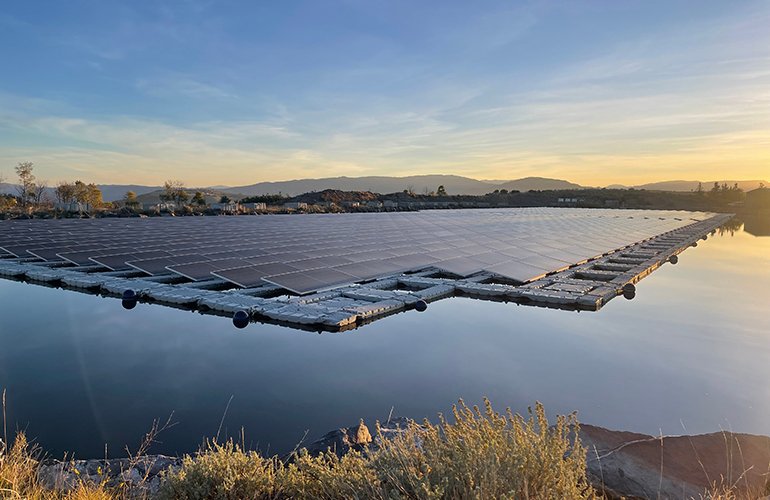
Critics argue Vietnam needs coal for baseload power. However, with Swedish-backed floating solar farms and aggressive net metering policies, renewables could hit 32% by 2030. This growth, coupled with green hydrogen initiatives, paints a promising picture for Vietnam’s energy future.
Key Takeaways
Three game-changers emerge from this partnership:
1. New financing models for PV projects.
2. Hybrid inverter standards influenced by European norms.
3. Workforce development programs creating 15,000 green jobs.
These advancements, alongside NTPC’s solar growth, demonstrate how strategic partnerships can propel the renewable energy sector forward.
Remember how Dubai’s solar park seemed ambitious? Vietnam’s on track to surpass it by leveraging partnerships like this. The monsoon climate actually helps—cloudy-day performance of bifacial panels exceeds projections.
Final thought: While Chinese manufacturers dominate equipment supply, this Sweden-Vietnam axis might reshape how solar gets deployed in emerging markets. Not through cheap panels, but through policy intelligence, echoing the success of