Prostarm Secure KPTCL’s 150 MW BESS Project in Karnataka
Prostarm Info Systems just landed a major win: the company clinched Karnataka Power Transmission Corporation’s (KPTCL) auction to build a 150 MW/300 MWh standalone battery energy storage system (BESS) at the 400 kW Doni substation in Gadag, Karnataka. The project, awarded at a tariff of ₹254,000 (~$2,915) per MW per month, includes viability gap funding—a big deal for grid stability in the region.
Why Battery Storage Is Karnataka’s Next Big Bet
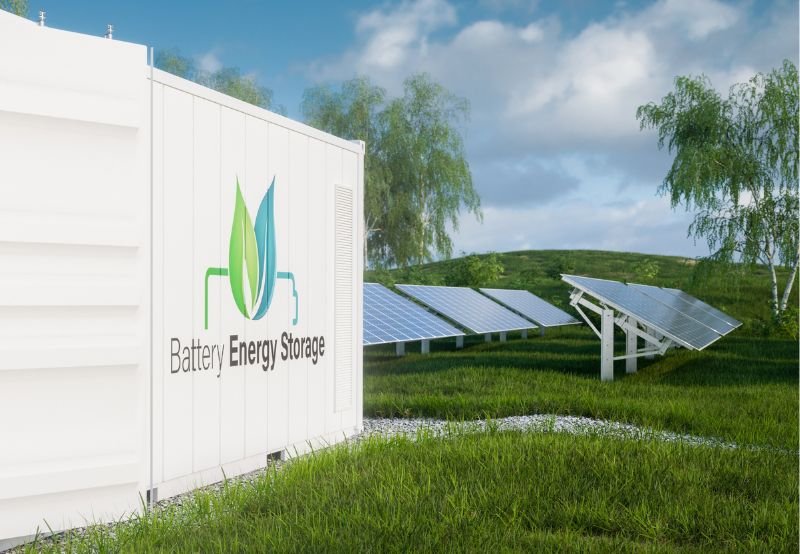
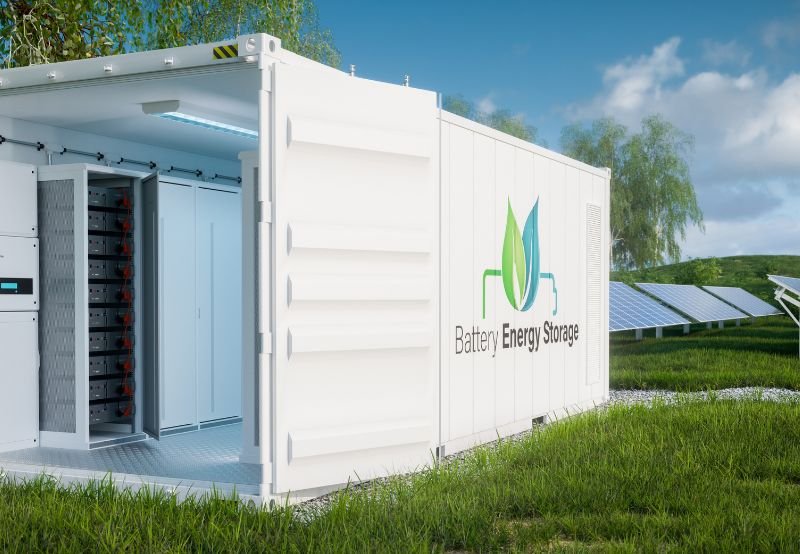
Karnataka isn’t new to renewable energy, but battery storage changes the game. Think of BESS like a giant power bank for the grid—soaking up excess solar during the day and releasing it when demand peaks. With states like California and Germany already relying on such systems, Karnataka’s move signals a shift from “nice-to-have” to “must-have.” In fact, companies like Sungrow are already innovating in the battery storage space.
The Numbers Behind Prostarm’s Win
At 150 MW/300 MWh, this isn’t just another pilot project. For context, Tesla’s Hornsdale Power Reserve in Australia—once the world’s largest BESS—started at 100 MW/129 MWh. Prostarm’s system could power ~45,000 homes for 4 hours during outages. The ₹254,000/MW/month tariff? Competitive, especially with state backing.
How Viability Gap Funding Makes It Work
Here’s the kicker: BESS projects aren’t cheap. Without viability gap funding (VGF), the economics might not stack up. For developers like Prostarm, VGF acts like a financial bridge, covering the delta between project costs and revenue. It’s similar to incentives for early solar projects—risky but rewarding.
What This Means for Solar-Plus-Storage
Solar panels alone can’t solve India’s evening peak demand. Pair them with batteries, though, and you’ve got a 24/7 energy solution. This project hints at future tenders combining PV and storage—something SECI has already teased.
The Road Ahead: Challenges & Opportunities
Land acquisition and supply chains could slow progress (remember the Great Panel Shortage of 2022?). But with companies like Luminous and Exide pivoting to lithium-ion, local manufacturing might get a boost. One thing’s clear: Prostarm’s win is a milestone, not the finish line.