Philippines Launches First Megawatt Floating Solar Plant in Cebu
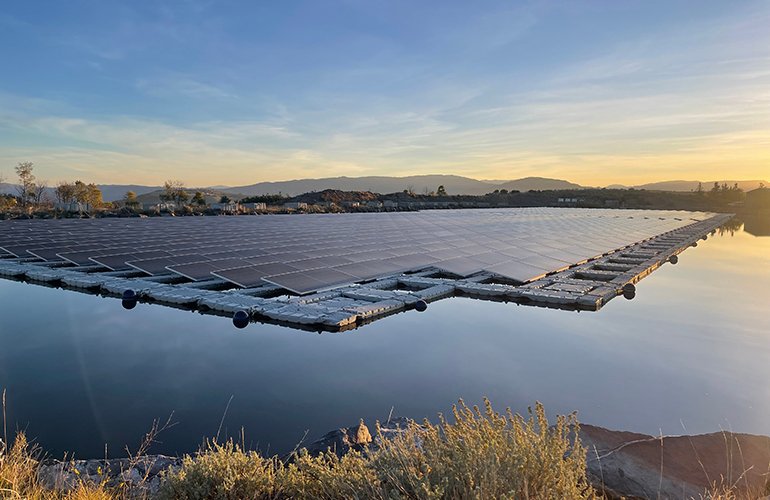
The Philippines has taken a major leap in renewable energy with the inauguration of its first megawatt-scale floating solar power facility. Situated on the Malubog Reservoir within Carmen Copper Corporation’s mine site in Cebu, this project marks a significant milestone for solar innovation in Southeast Asia.
Why Floating Solar Makes Sense in the Philippines
Floating photovoltaic (PV) systems solve two problems at once: land scarcity and evaporation reduction. With the Philippines’ abundance of water bodies and intense tropical sun, these installations could become a game-changer for energy security. The Malubog project’s 1MW capacity is just the beginning—similar setups could power thousands of homes without sacrificing valuable real estate.
Technical Specs That Matter
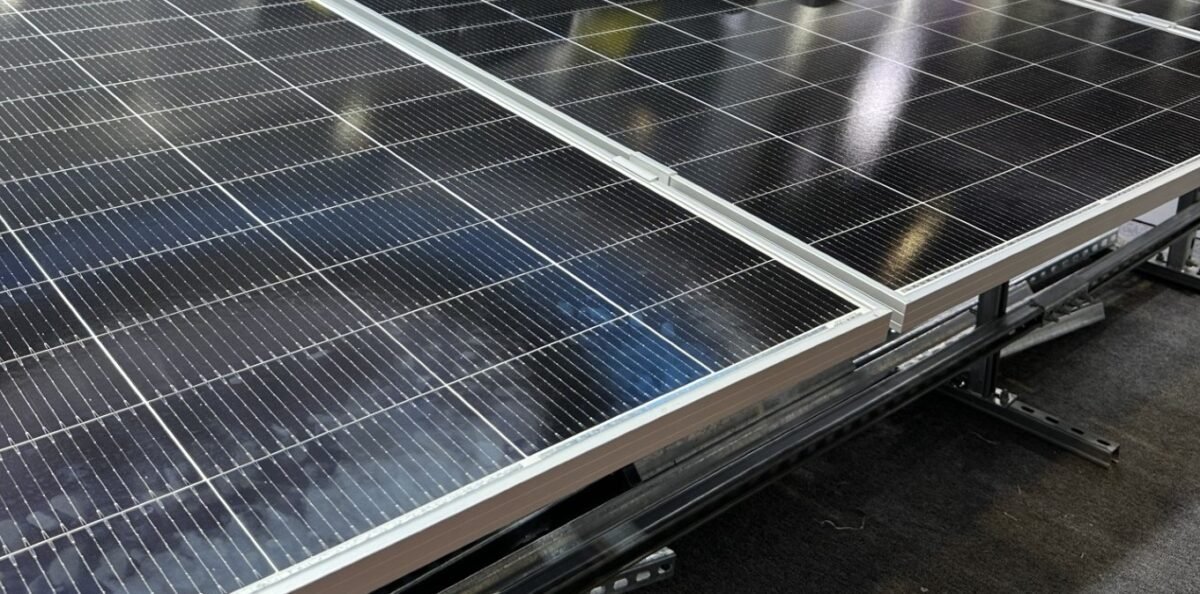
While exact panel brands remain undisclosed, industry standards suggest bifacial modules from manufacturers like Longi or JinkoSolar could be in use. These capture reflected sunlight from the water’s surface, boosting output by 5-15% compared to traditional ground mounts. The system likely uses SMA or Huawei inverters, specially adapted for high-humidity environments.
The Mine Site Advantage
Some might question placing solar on active mining territory. Yet mines demand massive power loads 24/7. By pairing this floating array with existing infrastructure, Carmen Copper cuts diesel dependency while maintaining operations. It’s not just eco-friendly—it’s economically shrewd, with potential payback periods under 6 years given current electricity prices.
What About Typhoon Risks?
Engineering for extreme weather was non-negotiable. The anchoring system likely follows Japanese floating solar standards, tested against Category 5 winds. Modular design allows quick damage containment, while hydrophobic coatings prevent saltwater corrosion—a must in the Visayas region.
Grid Integration Challenges
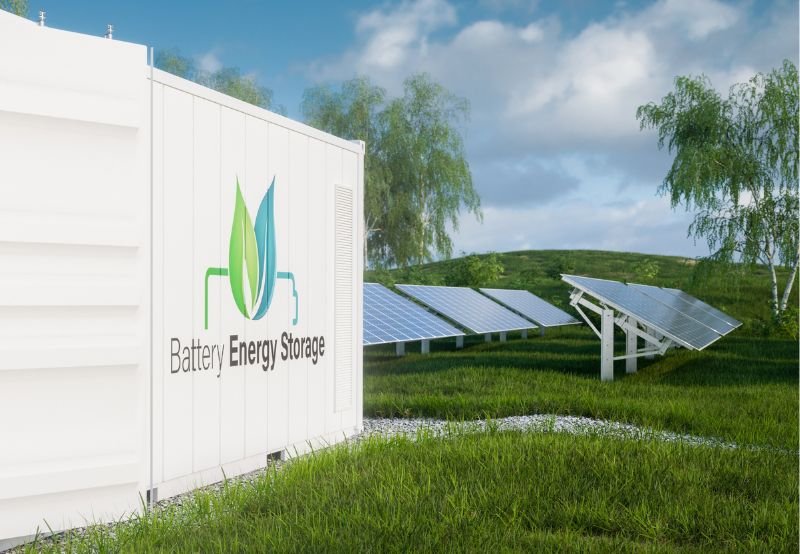
Unlike urban solar farms linking directly to Meralco’s grid, this off-grid mine installation showcases how renewable microgrids can work. The facility probably incorporates Tesla Megapack batteries for night-time power smoothing, though exact storage details aren’t public yet.
The Ripple Effect
Expect this project to inspire similar ventures at Philippine mines and reservoirs. With the DOE targeting 35% renewable generation by 2030, floating solar ticks every box—minimal land use, high output, and compatibility with existing water infrastructure. Next stop? Maybe Laguna Lake’s 900 km² surface.
The Cebu floating solar plant proves that when it comes to clean energy, sometimes the best solutions are right under our noses—or in this case, floating on our water.