Niger Solar Expansion Receives $144 Million Boost from African Development Bank
The African Development Bank (AfDB) has approved a $144.27 million loan to enhance Niger’s solar energy capacity, aiming to improve energy access by 2026. This strategic investment goes beyond infrastructure—it represents a transformative step toward lifting communities out of energy poverty. For global energy leaders, this project offers valuable insights into expanding solar energy in emerging markets.
Why Niger’s Solar Potential Demands Attention
With one of Africa’s lowest electrification rates and over 2,800 annual sunlight hours, Niger presents untapped renewable potential. Currently, only 20% of the population has reliable electricity—a gap this funding aims to bridge through sustainable solutions.
Project Breakdown: Three Key Investment Areas
The AfDB financing will support:
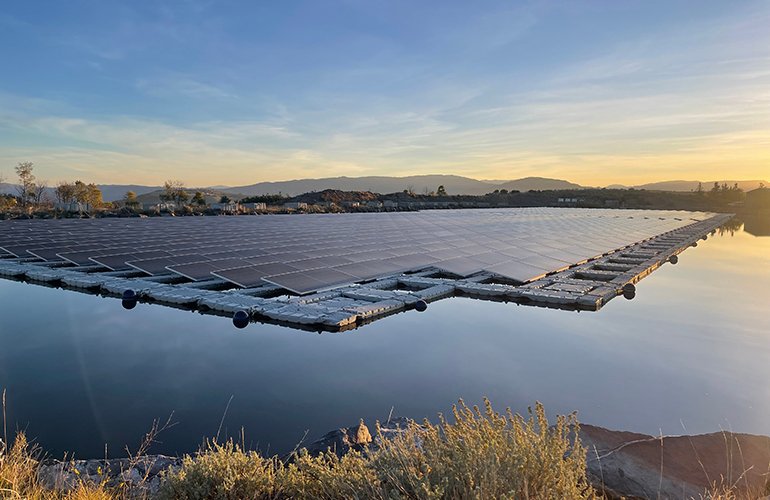
- Grid-connected solar farms
- Off-grid home systems (including rural clinic solutions similar to the all-in-one solar kits transforming Indian households)
- Workforce development programs
The Critical Role of Energy Storage
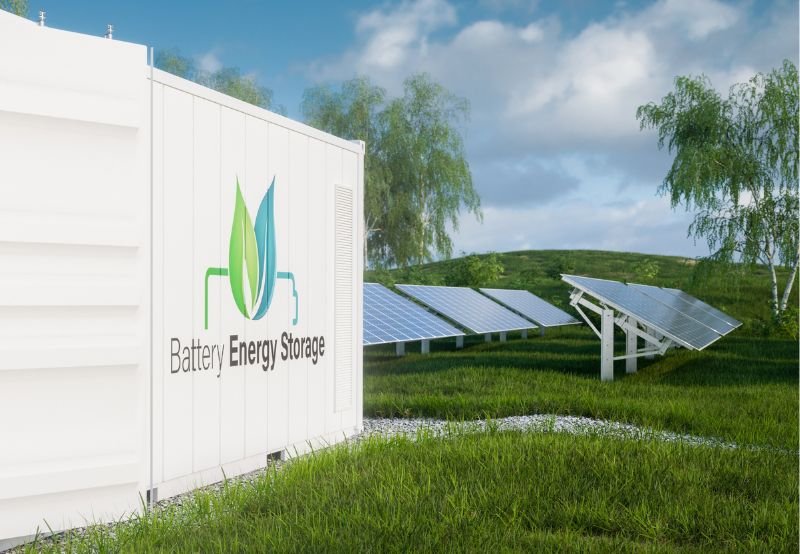
Modern lithium-ion batteries will store excess daytime solar energy for nighttime use—a crucial advancement mirroring innovations in the 250 MW BESS project in India. This technology is essential for regions lacking backup grid infrastructure.
Overcoming Project Challenges
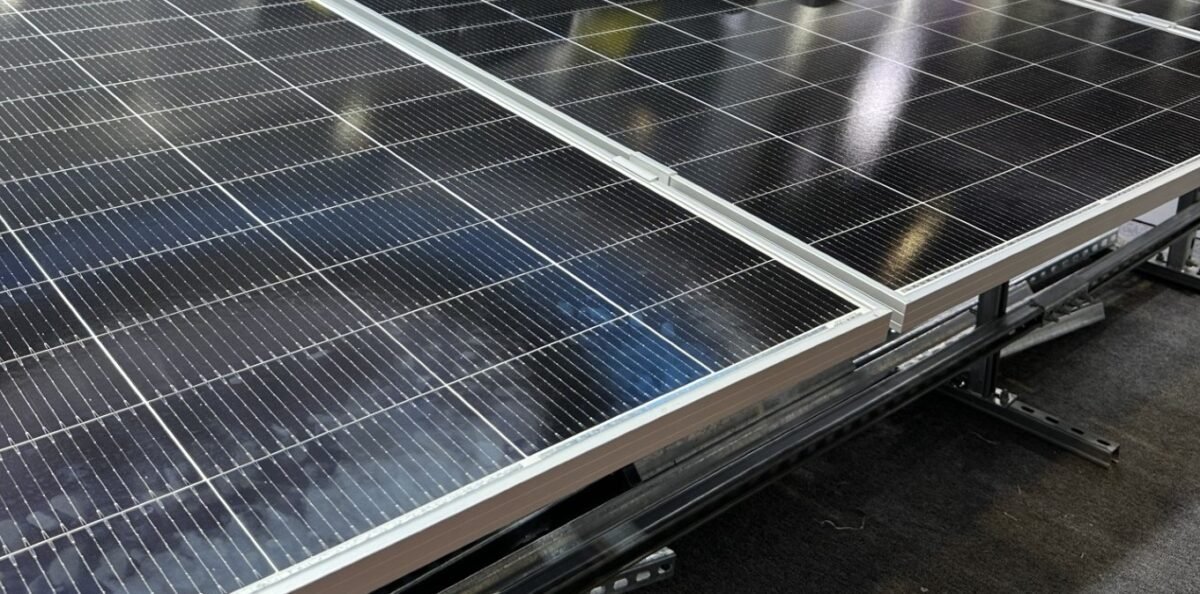
While upfront solar costs remain significant, the project targets 4-year ROI through diesel displacement. Niger’s lower labor costs (60% below California’s 2020 solar rollout) help mitigate logistical hurdles like sandstorms—challenges also addressed in Longi’s desert-ready solar modules.
A Model for African Energy Development
This initiative signals growing momentum for Africa’s renewable transition, demonstrating the power of combining large-scale infrastructure with localized solutions. The approach mirrors successful strategies seen in India’s renewable sector, offering valuable lessons for global energy players.