New Mexico’s $70 Million Grid Upgrade for Solar Energy Expansion
New Mexico is making big moves in renewable energy. The state’s Energy, Minerals, and Natural Resources Department just announced a $70 million grant program for public entities looking to modernize the electric grid. If you’re in the solar industry, this is news you can’t ignore. Why? Because outdated grids are holding back solar potential—and this funding aims to fix that.
Why Modernizing the Grid Matters
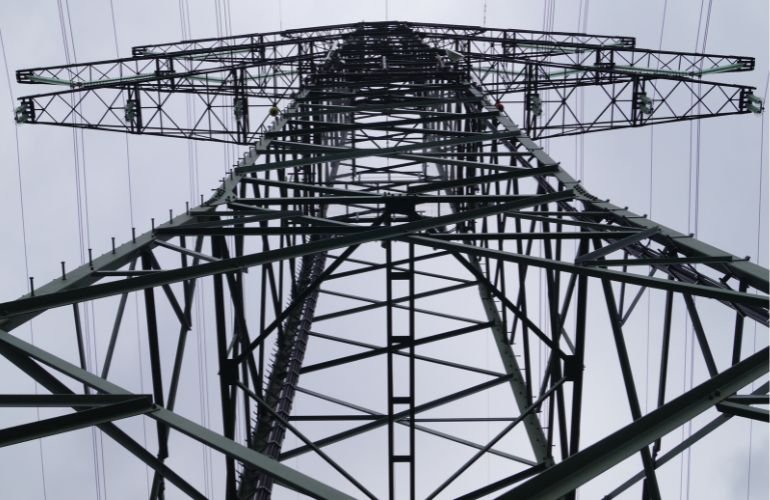
Solar panels are only as good as the grid they feed into. A rickety, old-school grid can’t handle the fluctuations of solar power. Ever seen inverters throttle production because the grid can’t take it? This funding targets that exact problem. New Mexico’s legislature isn’t just throwing money at the issue—they’re demanding smart solutions.
What’s in the Grant?
The $70 million comes from the Community Benefits Fund, created by the state legislature in 2025. Public entities (think utilities, municipalities, even tribal nations) can apply if they’ve got a solid plan for integrating renewables. Tesla Powerwall-style storage? Grid-forming inverters like Fronius? This could be your chance to deploy them.
But Here’s the Catch
Solar projects often hit a wall when utilities claim the grid can’t handle more renewables. Funny how those same utilities rarely invest in upgrades. New Mexico’s grants flip the script by putting the burden on applicants to prove their tech works. It’s a high bar—but that’s the point. Reliability isn’t a luxury; it’s non-negotiable.
A Nod to California’s Mistakes
This reminds me of California’s 2020 rollout, where rapid solar adoption led to duck curves and curtailment. New Mexico seems to be learning from that. The state wants solutions that smooth out solar’s peaks and valleys, not just add more panels. Batteries aren’t sci-fi anymore—they’re mandatory.
The Bigger Picture
Grid parity isn’t just about cheap solar power. It’s about a grid that can actually use it. New Mexico’s $70 million push could set a template for other states. And if you’re a solar pro eyeing the Southwest, this is your signal: the market’s heating up.