New Jersey Launches 2000 MW Energy Storage Initiative
Governor Phil Murphy took a decisive step toward New Jersey’s clean energy future on August 22 by signing A5267 into law, officially launching the Garden State Energy Storage Program (GSESP). This isn’t just another policy—it’s a game-changer for solar professionals eyeing the Northeastern market. The program targets 2,000 MW of grid-scale storage by 2030, a goal that’ll shake up how renewables integrate with the grid. And here’s the kicker: it leverages existing funds, meaning no extra costs for ratepayers.
Why Storage? The Unsung Hero of Solar
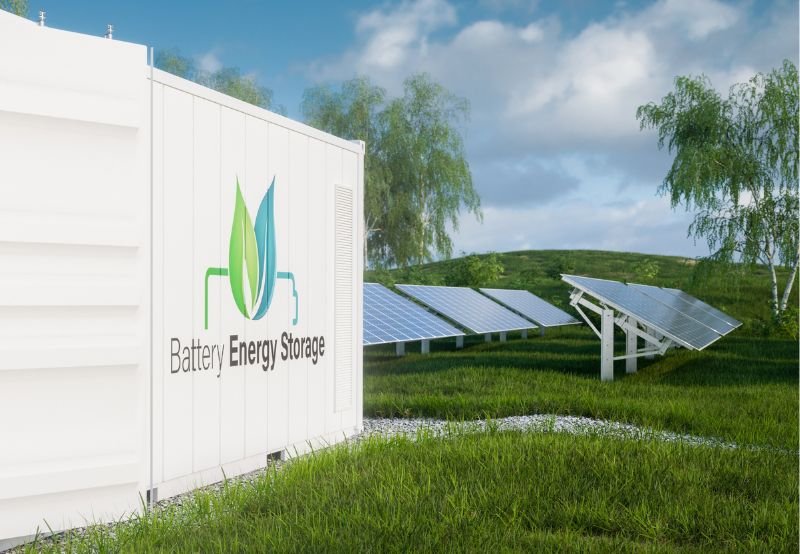
Solar panels get the spotlight, but batteries do the heavy lifting. Think of energy storage as a shock absorber for the grid—soaking up excess solar power at noon and releasing it during peak demand. Without it, every cloudy day becomes a scramble. GSESP’s 2,000 MW target could back up roughly 400,000 homes during outages. That’s like having a Tesla Powerwall on steroids.
The Fine Print: How GSESP Works
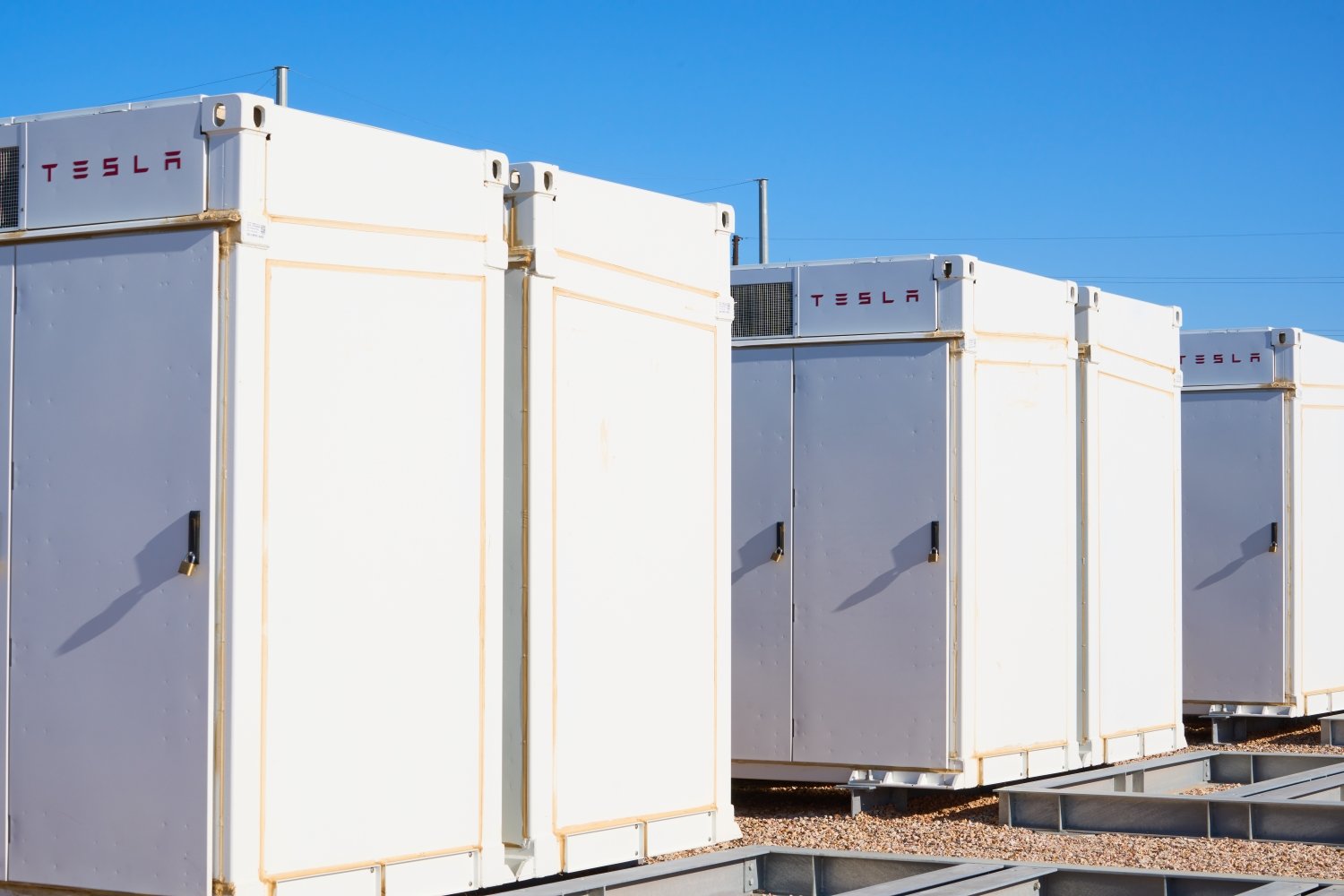
The state will run competitive procurements for large-scale storage projects, prioritizing cost-effectiveness. Expect a mix of lithium-ion giants (à la Fluence or Powin) and maybe even flow batteries for long-duration needs. Projects must prove they’ll deliver when the grid is stressed—no ‘paper batteries’ allowed.
But What About Winter?
New Jersey’s winters aren’t known for endless sun. Storage bridges the gap, but the program cleverly avoids mandating tech types. Whether it’s lithium, zinc, or next-gen solutions, performance trumps hype. Remember California’s 2020 storage sprint? Jersey’s taking notes but skipping the blackout drama.
For Installers: The Ripple Effect
Grid-scale storage might seem remote to rooftop installers, but here’s the twist: stabilized grids mean happier net metering policies. Plus, as storage prices drop (30% since 2022!), residential-commercial hybrids with SMA or Fronius inverters become more viable. It’s a rising tide.
The Road to 2030: Pitfalls and Potential
Permitting delays could bottleneck progress—New Jersey isn’t Texas when it comes to rapid builds. But with federal incentives from the Inflation Reduction Act stacking atop state pushes, the economics are getting hard to ignore. Storage isn’t sci-fi anymore; it’s spreadsheet-ready.