Neoenergia Boosts Brazilian Solar Grid with Alto Paranaíba Expansion
Brazil’s solar energy growth has been remarkable, but transmission bottlenecks have hindered the full potential of sunny projects. Neoenergia tackled this issue head-on with their new Alto Paranaíba line in Minas Gerais.
Why This Transmission Upgrade Matters
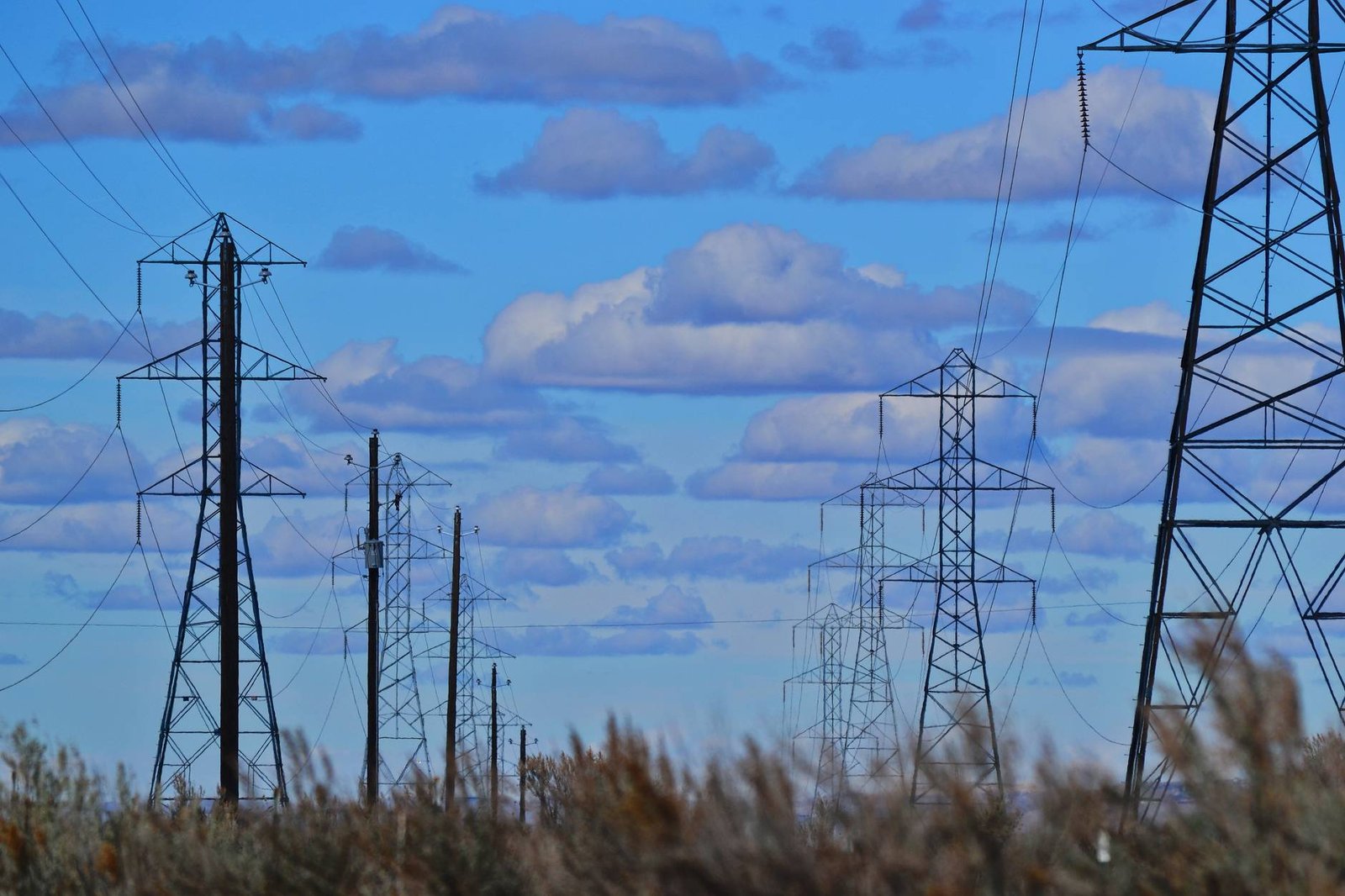
Brazilian solar farms have been popping up rapidly, but the lack of transmission infrastructure has limited their effectiveness. The 230kV Arinos II and Paracatu IV substations now act as solar traffic controllers, ensuring a smooth flow of green electrons. This upgrade is crucial for solar energy storage and grid stability.
The Nuts and Bolts Operation
Engineers completed this phase three months early, a rare feat in infrastructure projects. They reinforced towers across 125 km of rough terrain, utilizing drone inspections to identify potential issues before they became problems. This approach minimized downtime, which is essential for maintaining solar power grid reliability.
Investment Meets Innovation
Neoenergia is investing €400 million in Brazil’s grid through 2026. Part of this investment will go toward digital substations with real-time monitoring, enabling swift issue detection and resolution. This innovative approach is a significant step toward smart grid analytics and renewable energy integration.
What This Means for Solar Developers
Developers eyeing northern Minas Gerais just got a green light. With improved transmission capacity comes easier project approvals. The expanded infrastructure cuts interconnection wait times, allowing developers to boost solar energy efficiency and reduce costs.
The Reliability Factor
Some argue that solar energy is too intermittent, but the 2 million people benefiting from this upgrade would disagree. Grid stability isn’t always a sexy topic, but it’s crucial for maintaining renewable energy momentum and grid resilience.
This project is reminiscent of Rio’s 2018 grid collapse, where a single weak link caused days of chaos. Neoenergia’s approach prevents such domino effects through strategic reinforcements at multiple points along the network, ensuring renewable energy growth and grid stability.
Looking Down the Road
Brazil plans to double its renewable capacity by 2030. Projects like this will be crucial in achieving that goal. The Alto Paranaíba line demonstrates that infrastructure investments can keep pace with Brazil’s solar boom, rather than playing catch-up. As the world shifts toward renewable energy dominance, Neoenergia’s approach will be one to watch.