MNRE Updates Solar Village Guidelines Under PM Surya Ghar Scheme
The Ministry of New and Renewable Energy (MNRE) has issued revised guidelines for the PM Surya Ghar: Muft Bijli Yojana, streamlining solar adoption in rural India. The updates make it easier for villages to transition to solar power while addressing key challenges in implementation and maintenance.
Key Changes in Solar Village Program
The new guidelines introduce several strategic improvements:
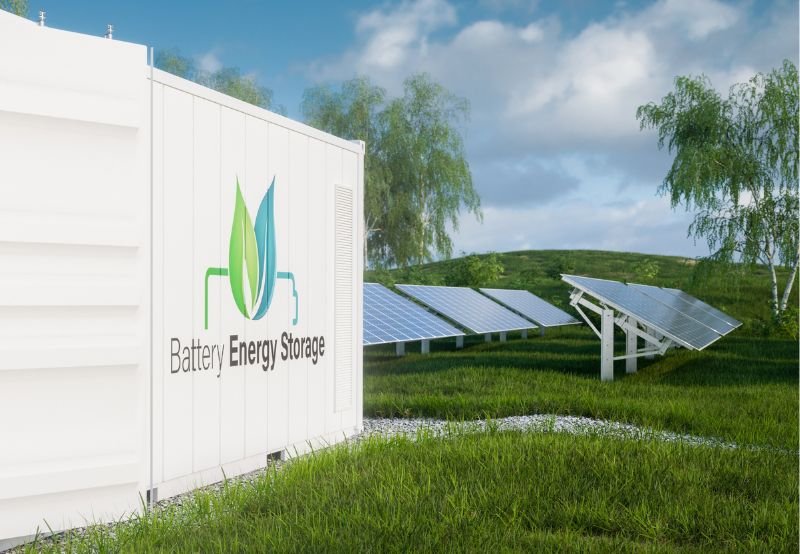
- Higher Subsidies for Storage Solutions: Battery-backed systems now receive 5% additional incentives
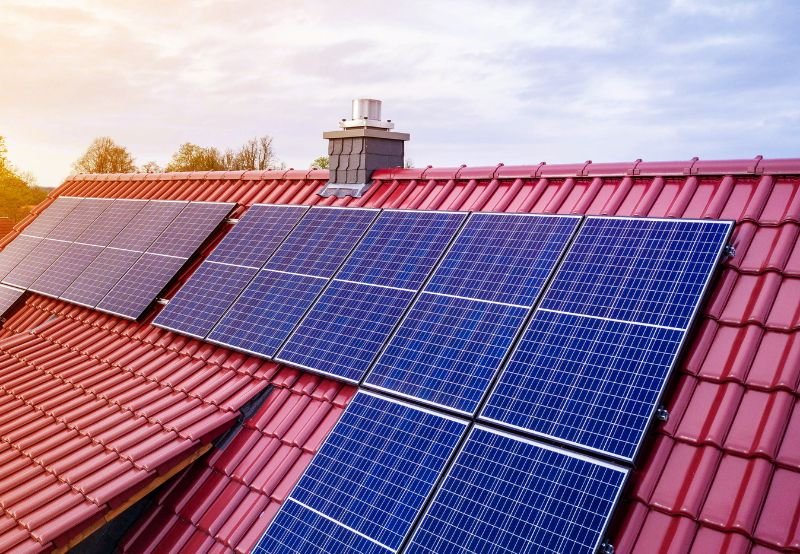
- Simplified Approvals: 30% reduction in rooftop solar paperwork
- Local Employment Mandate: 40% minimum village workforce requirement
- Expanded Technology Options: More approved inverter and battery technologies
Why These Updates Matter
These revisions directly address two critical challenges in rural solar adoption:
- Energy reliability through hybrid solar systems
- Sustainable operations via local capacity building
Implementation Prospects
While some question rural project viability, MNRE’s success with Bihar’s solar cold storage demonstrates the potential. The key to success lies in:
- Comprehensive training programs
- Responsive maintenance systems
- Continuous performance monitoring
The Road Ahead
These policy changes represent a strategic push toward grid parity for solar energy. For installers, they open new markets in underserved regions. For villagers, they promise reliable electricity that lasts beyond sunset.
The guidelines complement India’s broader renewable energy storage push, creating synergies between rural electrification and national clean energy goals.