Meyer Burger Bankruptcy Sparks Solar Industry Shifts
Meyer Burger, the Swiss solar panel manufacturer that filed for bankruptcy earlier this year, has officially closed its doors after failing to secure an investor. The company recently notified its remaining 45 employees in Switzerland of their termination, while nearly 300 U.S. workers face uncertainty as the company winds down operations. Its solar panel manufacturing equipment, once a symbol of European solar innovation, has been sold to Indian solar giant Waaree. Here’s what this means for the industry—and why it’s bigger than one company’s collapse.
Why Meyer Burger Couldn’t Stay Afloat
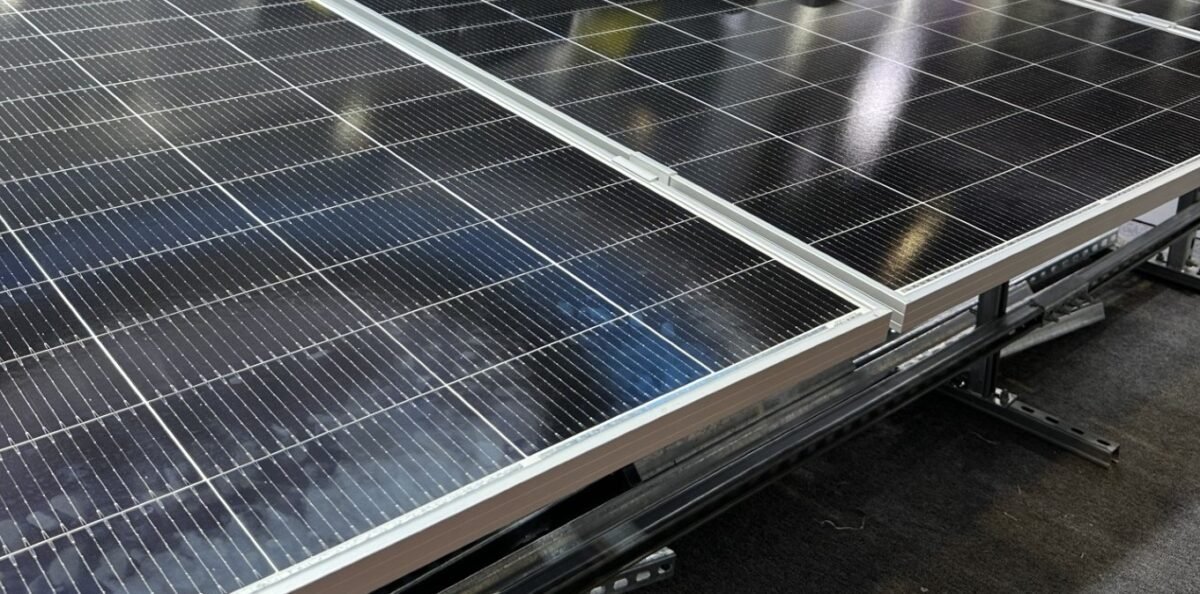
Meyer Burger’s struggles weren’t sudden. The company bet heavily on heterojunction technology (HJT), a premium solar panel design with higher efficiency but steeper production costs. While HJT panels outperform standard PERC modules in low-light conditions, their price tag made them a tough sell in markets racing toward grid parity. “It’s a classic case of over-engineering for a market that prioritizes affordability,” one industry analyst noted. Even Germany’s generous solar incentives couldn’t offset the cost gap against Asian competitors.
The Waaree Factor: A New Player in the West?
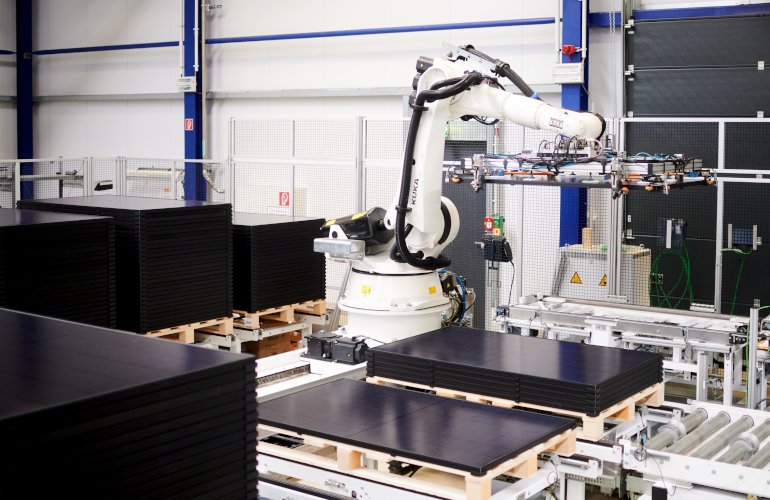
Waaree, India’s largest solar panel producer, acquired Meyer Burger’s manufacturing assets at what insiders call “a firesale price.” The move signals Waaree’s ambition to expand beyond emerging markets. With tariffs on Chinese solar panels complicating U.S. imports, Waaree could repurpose Meyer Burger’s equipment to supply American installers. But can they fix the cost issues? Waaree’s mass-production expertise might finally make HJT competitive—if they can trim the fat.
Ripple Effects Across the Solar Supply Chain
Meyer Burger’s exit leaves a hole in Europe’s solar manufacturing dreams. The EU had targeted 30 GW of local solar production by 2025, but with key players struggling, that goal seems shaky. Meanwhile, U.S. solar installers relying on Meyer Burger’s premium panels are scrambling. Some are pivoting to REC Group’s alpha series or Panasonic’s EverVolt lineup, though neither perfectly matches HJT’s performance profile. “Reliability isn’t a luxury—it’s non-negotiable,” says a Texas-based installer. “Now we’re re-educating customers on alternatives.”
What’s Next for Solar Manufacturing?
This isn’t just about one company’s failure—it’s a stress test for solar’s global supply chain. With the Inflation Reduction Act boosting U.S. production and India pushing its PLI scheme, manufacturers face a dilemma: chase cutting-edge tech or prioritize scale? For now, Waaree’s gamble on discounted HJT tools might pay off. But if they stumble, it could cement China’s dominance even further. Sometimes, the solar industry feels like a high-stakes game of Monopoly where the rules change hourly.