MERC Approves MSEDCL’s 300 MW Wind-Solar Hybrid Power Deal
Big news for Maharashtra’s renewable energy sector! The Maharashtra Electricity Regulatory Commission (MERC) has just given the green light to a power sale agreement (PSA) between the Maharashtra State Electricity Distribution Company (MSEDCL) and NTPC. This deal locks in 300 MW of wind-solar hybrid power at a tariff of ₹3.36 per kWh—that’s roughly $0.038. Now, why does this matter? Let’s break it down.
Hybrid Power: The Best of Both Worlds
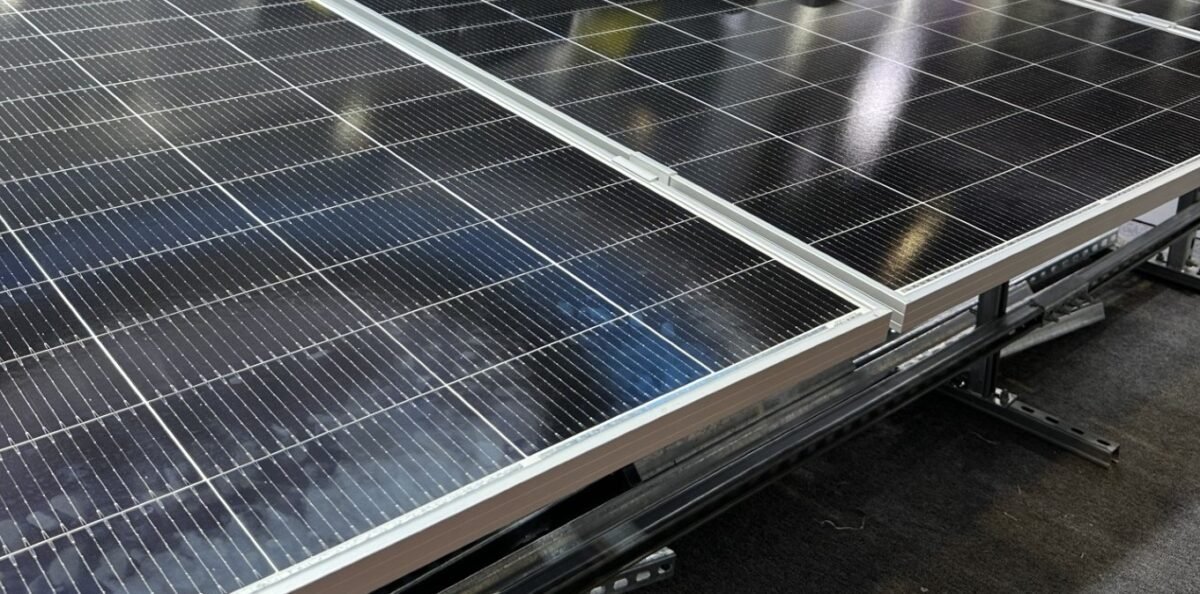
Solar panels and wind turbines might seem like an odd couple, but together, they’re a powerhouse. Solar kicks in during the day, while wind often picks up in the evenings or monsoon season. By combining them, you get a more stable energy output. No more fretting about cloudy days or still nights. Also, check out our article on Hybrid Solar Systems vs Solar Panels to understand the advantages.
The Tariff Talk: ₹3.36/kWh—Fair or Fancy?
At ₹3.36 per unit, this rate is competitive. For context, coal-based power often hovers around ₹4-5/kWh. Hybrid projects like this one are pushing renewables closer to grid parity—the sweet spot where green energy costs the same or less than conventional sources. Think about it: cleaner energy without the price tag shock. This is in line with the growth in the renewable energy sector in India.
What’s in It for MSEDCL and Consumers?
MSEDCL gets a steady supply of renewable power, reducing its reliance on fossil fuels. For consumers, this could mean fewer tariff hikes down the line. And let’s not forget the environmental win—300 MW of hybrid power can offset nearly 7 lakh tonnes of CO2 annually. That’s like taking 1.5 lakh cars off the road! Solar-wind hybrid projects in India are gaining traction as a viable source of renewable energy.
Challenges? Sure, But Solvable
Land acquisition and grid integration are perennial headaches. Hybrid projects need larger plots, and balancing two variable energy sources isn’t child’s play. But with smart inverters (like Fronius or SMA) and better forecasting tools, these hurdles are shrinking. Learn more about smart solar technologies that are changing the game.
The Bigger Picture: Maharashtra’s Renewable Push
This deal isn’t a one-off. Maharashtra aims to hit 17.3 GW of renewable capacity by 2025. Policies like net metering and open access are fueling this growth. Remember last year’s rooftop solar boom in Pune? This is the next step. Read about the growth of renewable energy projects in India.
Final Thoughts: A Model for Other States?
If Maharashtra pulls this off, states like Gujarat or Karnataka might follow suit. Hybrid projects could become the norm, not the exception. The question isn’t ‘if’ but ‘how fast.’ So, is your state next? Stay updated on the latest renewable energy news with us!