MENA’s Solar Boom: How 50% Power Demand Growth Reshapes Energy
Imagine Dubai’s skyline at sunset, where glass towers shimmer against a desert sky. Now picture powering all that—plus electric vehicles, desalination plants, and air conditioning—with solar panels. The International Energy Agency (IEA) predicts MENA’s electricity demand will leap 50% by 2035. That’s like adding three Saudi Arabias’ worth of power needs in 12 years, driving unprecedented renewable energy investment across the region.
The Numbers That Change Everything
Current MENA electricity demand? About 1,200 TWh annually. By 2035, we’re looking at 1,800 TWh—enough to run New York City for 14 years. Traditional grids can’t handle this growth without advanced energy storage solutions stepping up.
Why Solar Makes Economic Sense Now
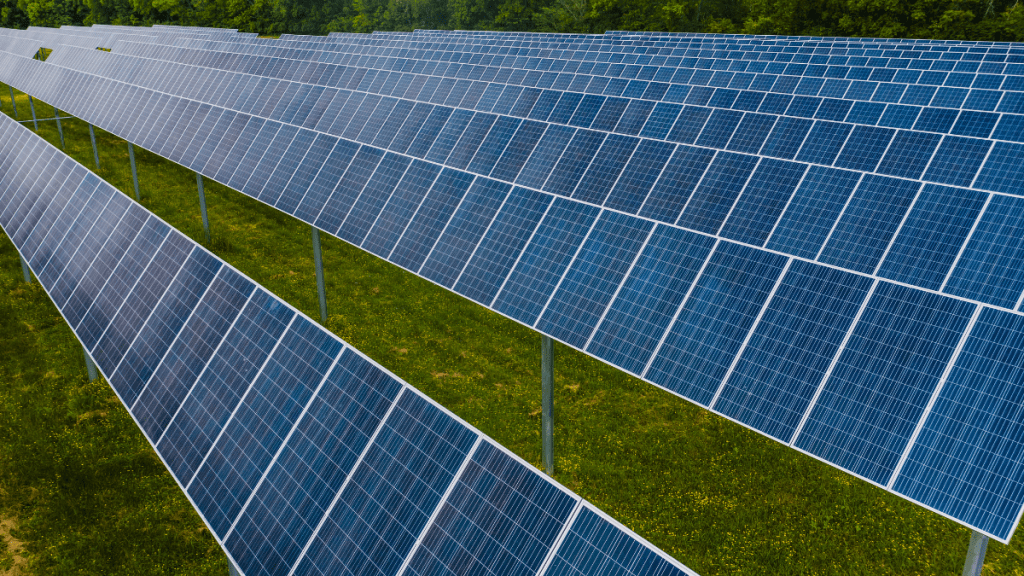
Remember when desalination plants guzzled oil-generated power? Saudi Arabia’s new 600MW Sudair solar park sells electricity at $0.0104/kWh—cheaper than fossil fuels. Projects like Morocco’s Noor Ouarzazate complex prove utility-scale solar works in harsh climates, making green hydrogen production increasingly viable.
Grid Challenges (And How Solar Solves Them)
You’d think abundant sunlight makes solar a no-brainer. But sandstorms degrade panels, and cloudless skies mean no natural cleaning from rain. Here’s where innovations matter:
- Huawei’s smart string inverters with dust-resistant coatings
- Dual-axis trackers increasing yield by 35% in Oman trials
- Robotic cleaners cutting O&M costs by 22%
The Storage Imperative
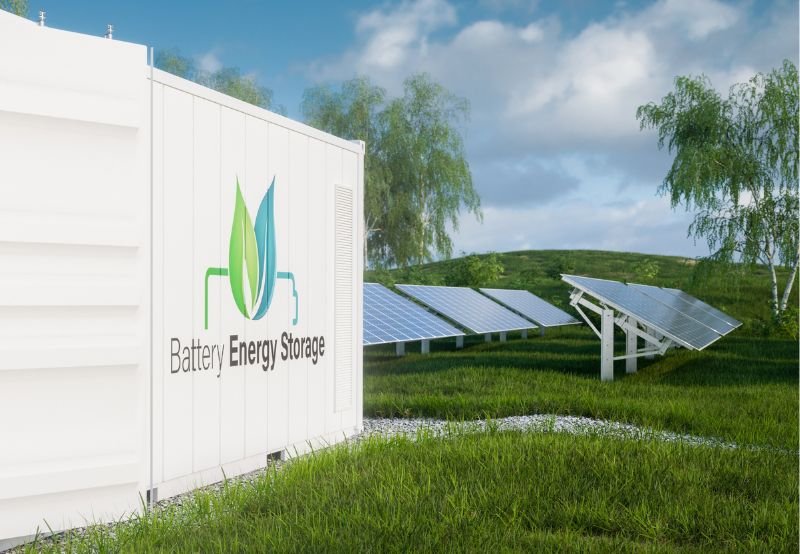
“Why store sunshine when we have oil?” skeptics asked. Now, lithium-ion batteries cost $132/kWh—down from $1,200 in 2010. Dubai’s Mohammed bin Rashid Al Maktoum Solar Park integrates Tesla Megapacks, storing daytime excess for evening demand peaks. This isn’t just backup—it’s transforming solar into reliable baseload power.
Rooftop Revolution Challenges
Commercial projects shine, but residential adoption lags. Net metering policies vary wildly—Jordan allows full export credits while Kuwait offers none. Yet Saudi households installing solar-plus-storage see 7-year paybacks, driven by rising tariffs and subsidies.
This isn’t 2010’s solar revolution—it’s an evolution where every stakeholder adapts. Panel manufacturers tweak products for dusty environments. Utilities explore hybrid solar-gas plants. Governments update regulations almost quarterly. The desert is becoming a powerhouse, one PV module at a time.