Meghalaya’s New DSM Regulations 2025: Key Impacts for Solar Energy Producers
The Meghalaya State Electricity Regulatory Commission (MSERC) has introduced the “Intra-State Deviation Settlement Mechanism (DSM) and Related Matters Regulations, 2025,” significantly impacting solar energy integration. For renewable energy professionals, these grid discipline rules redefine operational parameters. Discover how these changes affect your solar projects.
Solar Grid Stability Challenges Under DSM 2025
Maintaining grid stability becomes a shared responsibility under the new framework. With increasing solar energy solutions feeding the grid, Meghalaya enforces strict penalties for deviations beyond ±15% thresholds. While challenging, this levels the playing field for all generators.
Financial Implications: Charges and Compliance Thresholds
The regulations impose settlement charges for output variations exceeding the permitted bandwidth. For example, a 100 kW system receives a 15 kW buffer. Exceed this, and financial penalties apply. Proactive forecasting using tools like SolarEdge monitoring helps maintain compliance.
Energy Storage as a Strategic Solution
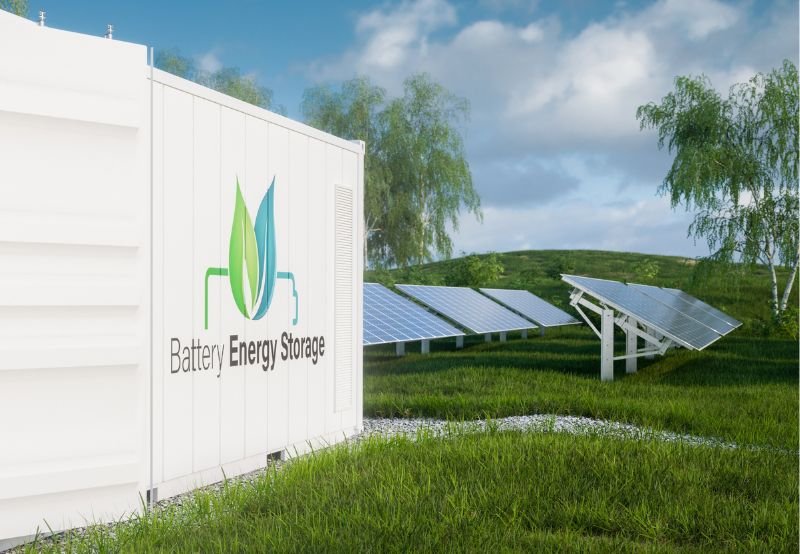
Similar to energy storage innovations in other markets, Meghalaya’s DSM may accelerate battery adoption. Storage systems absorb midday solar surplus and discharge during peak demand, effectively managing deviations. While requiring upfront investment, they prevent recurring penalty costs.
Net Metering Adjustments Under New Rules
While net metering remains available, exports must now align with pre-submitted forecasts. Advanced inverters with smart monitoring like Fronius provide real-time performance tracking, helping producers maintain the required 80% forecast accuracy to avoid regulatory scrutiny.
The Renewable Energy Maturity Curve
Meghalaya’s energy policy evolution reflects global trends toward grid modernization. These regulations demonstrate solar power’s transition from experimental to mainstream generation, signaling long-term market stability and predictable operating conditions.