Madhya Pradesh Tenders 100 MW Solar Project for Water Utility
Madhya Pradesh Jal Nigam (MPJN) is making waves with its latest tender for a 100 MW grid-connected solar PV project. Designed to operate under captive mode, this initiative directly serves the energy needs of the state’s water infrastructure. If you’re in the solar business, this is one tender you won’t want to miss.
Why This Matters for Solar Developers
A 100 MW captive project isn’t just another installation—it’s a commitment to long-term energy stability. Unlike traditional solar farms selling power to the grid, captive projects like this one ensure MPJN gets reliable electricity for its operations while potentially lowering costs. For developers, it means predictable revenue over decades.
The Technical Nitty-Gritty
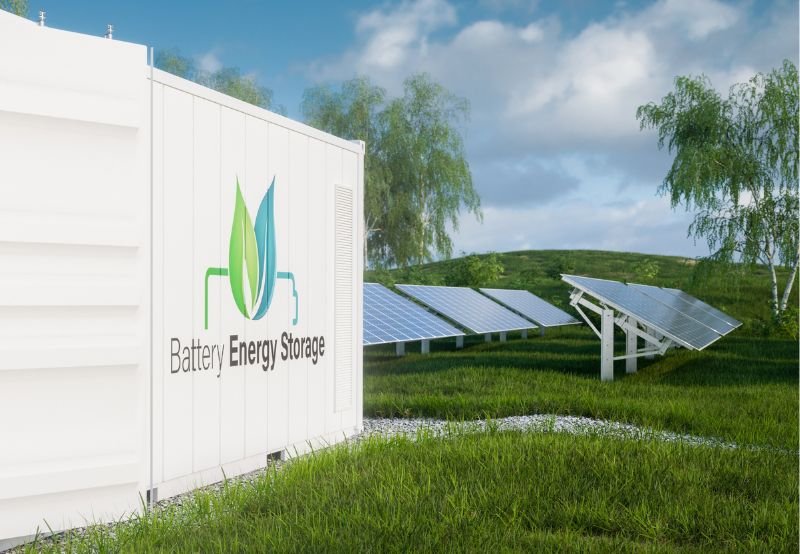
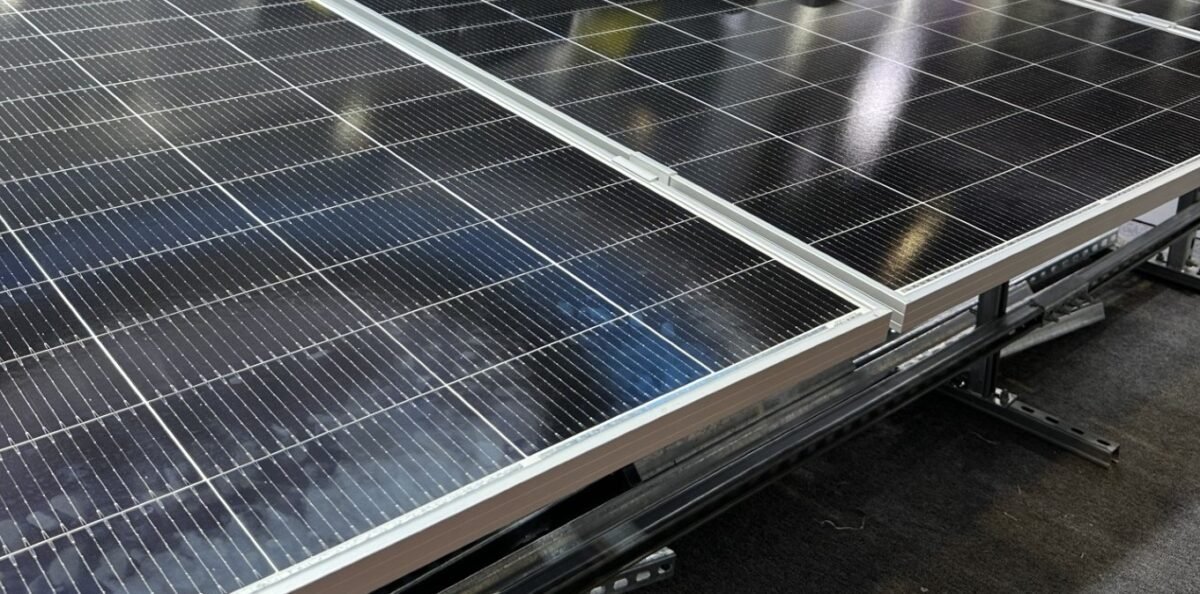
Expect standard specifications: crystalline silicon modules (think LONGi or JinkoSolar), central inverters (maybe Sungrow or Fronius), and likely single-axis tracking. But here’s where it gets interesting—water utilities have unique load profiles. Storage might not be in the tender docs, but could Tesla Powerwalls or LG Chem batteries later supplement this?
Location Advantages & Challenges
Madhya Pradesh gets about 5.5 kWh/m² daily solar irradiation—not Rajasthan’s 6.0, but still solid. Land acquisition could be simpler than in congested states, though environmental clearances near water bodies need care. Remember how NTPC’s 2022 project got delayed over land surveys? Lessons learned.
Financial Angles You Can’t Ignore
Captive projects often have better bankability—MPJN’s government backing reduces off-taker risk. Current module prices (~$0.20/W) help too. And while solar seemed expensive a decade ago, today’s payback period could be under 5 years given commercial tariff rates.
What About Policy Support?
Madhya Pradesh offers additional incentives beyond national policies. Their state solar policy includes waived electricity duty for captive consumers. Net metering isn’t relevant here, but banking provisions might be—critical for matching solar generation with water pumping cycles.
Next Steps for Bidders
EOAs typically require 5+ years of experience with 50+ MW projects. Consortiums work, but lead members need proven credentials. And don’t forget: substation proximity can make or break your bid’s financials. Missed the Bhadla Solar Park transmission lessons? Cables cost more than you budget for.
This tender closes the loop between renewable energy and essential services. It’s not just about kilowatt-hours—it’s about keeping water flowing sustainably. Will your company be part of Madhya Pradesh’s solar transition?