Solar Desalination Plants in Gaza: A Beacon of Hope
In a groundbreaking humanitarian and technological leap, KSrelief and the Saudi Center for Culture and Heritage have begun installing solar-powered desalination plants in Gaza. This initiative aims to tackle the chronic water crisis in the war-torn region using clean energy. Solar panels, coupled with advanced desalination technology, will provide fresh water to thousands.
The Importance of Solar Desalination
Gaza faces severe water shortages, with 97% of its groundwater unfit for drinking. Diesel-powered desalination exists, but fuel shortages and costs make it unreliable. Solar energy changes the game—it’s abundant, free, and sustainable. Projects like this prove that renewable solutions aren’t just for wealthy nations.
How the System Works
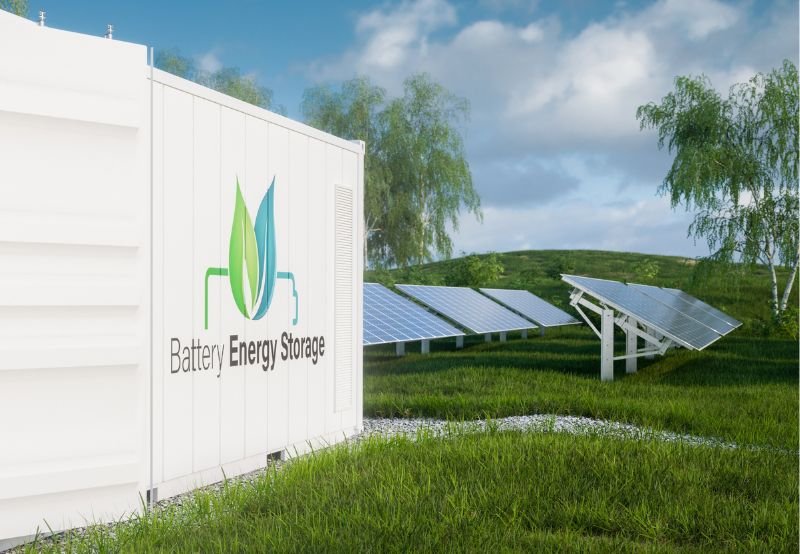
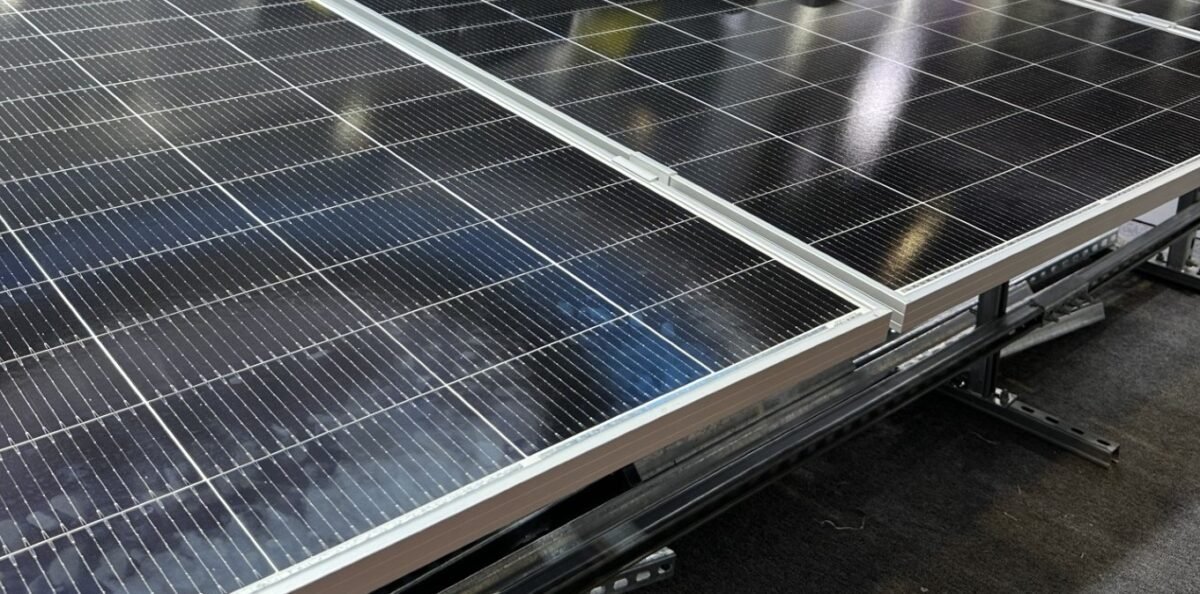
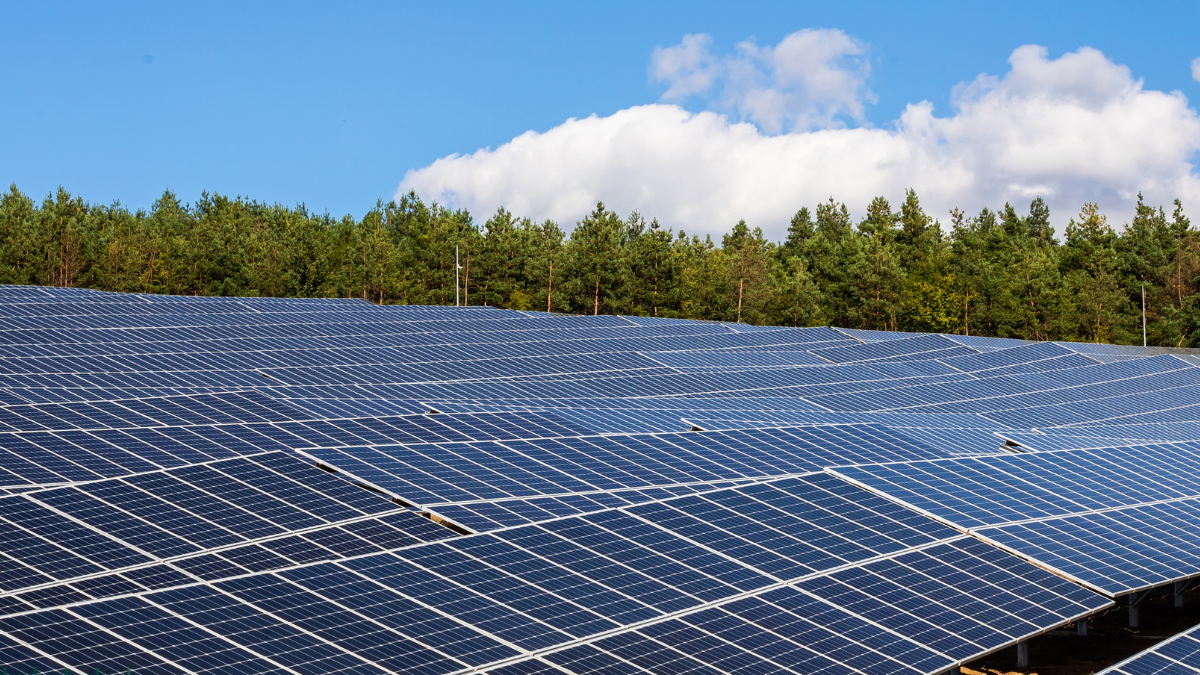
The plants use photovoltaic (PV) modules—solar panels to you and me—to power reverse osmosis units. These units force seawater through membranes, filtering out salt and impurities. A single plant can produce 50,000 liters daily, enough for 25,000 people. Battery storage ensures power during cloudy days.
The Human Impact
Waterborne diseases plague Gaza due to contaminated supplies. Solar desalination offers a lifeline—clean water reduces illness and saves lives. Local jobs in installation and maintenance also boost the economy. “It’s not just about technology; it’s about dignity,” says a KSrelief engineer.
Challenges and Triumphs
Solar seems expensive upfront—yet pays off in 3–5 years versus diesel’s ongoing costs. Grid instability? Hybrid systems with battery storage smooth out power fluctuations. And while Gaza’s political climate is complex, projects like this build trust through tangible benefits.
What’s Next?
Scaling up is key. KSrelief plans 10 more plants by 2026. Imagine