JSERC Draft Tariff Rules Shape Jharkhand Solar Growth Until 2031
Jharkhand’s electricity regulator just dropped a regulatory blueprint that’ll affect every solar developer, EPC contractor, and energy consumer in the state from 2026 onward. The JSERC’s draft transmission tariff regulations outline how much it’ll cost to wheel renewable energy across the grid for the next five years—and the stakes couldn’t be higher.
Why Grid Fees Matter More Than You Think
Transmission charges might sound like bureaucratic fine print, but they directly impact your project’s bottom line. These fees determine whether that 50MW solar farm in Dhanbad stays financially viable after paying to send power to Ranchi.
The Numbers Behind the Policy
While final rates won’t lock until public consultations wrap up, early analysis suggests:
- Voltage-based pricing tiers (think 33kV vs 132kV lines)
- Revised loss compensation mechanisms favoring newer infrastructure
- Annual escalation clauses pegged to inflation indexes
Solar Developers: Navigate These Pitfalls
That dusty 2019 feasibility study in your desk drawer? Trash it. Previous assumptions about wheeling costs won’t apply when these rules take effect.
Seasoned operators like Tata Power Solar and Adani Green will likely adjust their bidding strategies, while smaller IPPs might need to rethink optimal project locations entirely.
Consumers Won’t Feel This… Or Will They?
JSERC claims minimal impact on end-user tariffs, but commercial solar buyers should watch for trickle-down effects. If DISCOMs pass through even partial increases, your PPA math needs reworking.
Batteries Enter the Chat
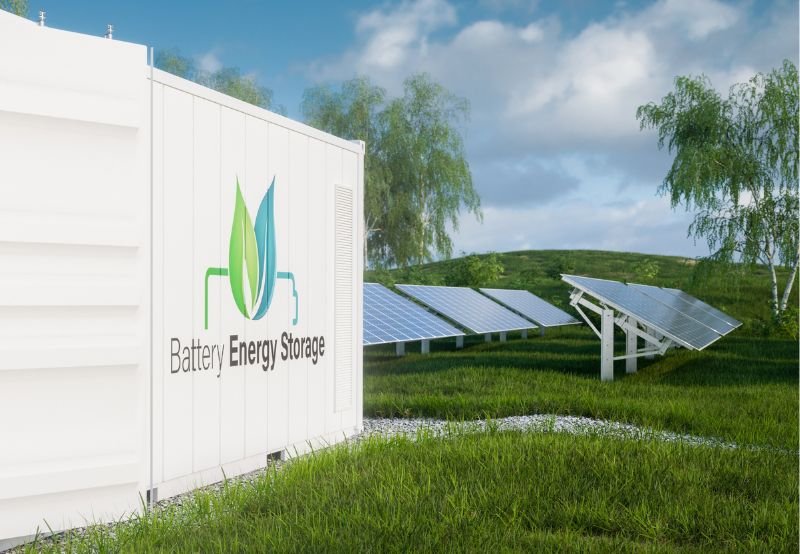
Higher transmission costs could make onsite storage more attractive. Tesla Powerwall deployments might spike when avoiding grid fees outweighs battery capex.
What’s Missing From the Draft?
Noticeably absent are provisions for:
- Dedicated renewables corridors like Gujarat’s green energy parks
- Time-of-day pricing incentives
- Waivers for community solar projects
The consultation period offers a narrow window to push for amendments before everything finalizes in 2025.