IREDA Secures ₹453 Crore Via Oversubscribed Perpetual Bonds
India’s renewable energy financing landscape just got a major boost. The Indian Renewable Energy Development Agency (IREDA) has successfully raised ₹453 crore through its second issue of perpetual bonds, attracting overwhelming investor interest.
Why Perpetual Bonds?
Perpetual bonds might sound complex, but they’re simply bonds with no maturity date. Think of them like a long-term loan where the borrower pays interest forever, unless they choose to buy it back. For IREDA, this means locking in funds without worrying about repayment deadlines—perfect for financing solar projects that take years to yield returns.
The Oversubscription Story
The bonds were oversubscribed, meaning demand exceeded supply. This isn’t just good news for IREDA; it’s a signal. Investors are betting big on India’s renewable sector, especially solar.
Where Will the Funds Go?
IREDA hasn’t spelled out exact allocations, but we can connect the dots. Recent trends show heavy investments in:
- Rooftop solar schemes (think solar rooftop deals)
- Utility-scale projects (like solar plants)
- New technologies (battery storage, green hydrogen)
A source familiar with IREDA’s operations hinted that rural solar electrification projects might get priority. After all, 30% of this bond’s proceeds could be earmarked for underserved regions.
The Interest Rate Game
At 7.70%, these bonds are priced smarter than you’d think. Compare it to:
- State Bank of India’s 7.1% 10-year bonds
- Corporate bonds averaging 8.2%
For solar developers, this could translate to lower borrowing costs—maybe a 0.5% reduction on project loans. Doesn’t sound like much? On a ₹100 crore project, that’s ₹50 lakh saved annually.
The Bigger Picture: India’s Solar Momentum
This capital raise aligns perfectly with India’s 500GW renewable target by 2030. Solar currently contributes ~82GW, but the real growth lies ahead. With IREDA’s enhanced balance sheet, expect faster clearances for:
- Agricultural solar pumps
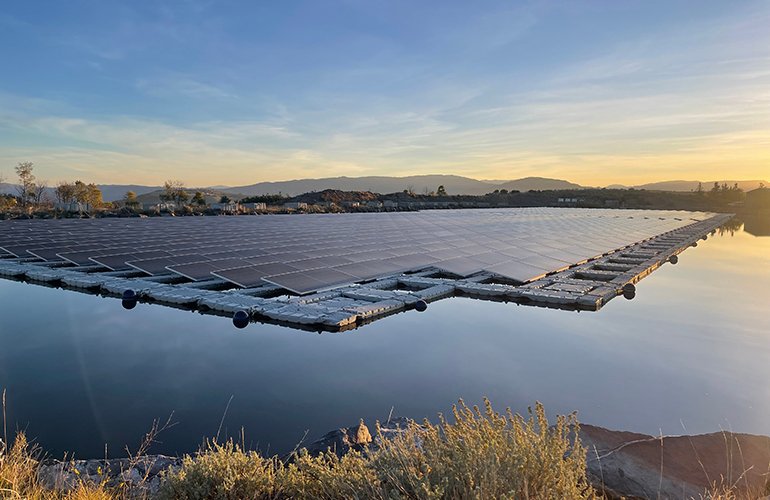
- Floating solar farms (like NTPC’s Ramagundam project)
- DISCOM modernization projects
Some critics argue perpetual bonds defer liability, but in renewables, time is an asset. Solar parks don’t pay off in months—they need decades. This financing tool matches projects’ lifespans beautifully.