India’s Supreme Court Mandates DISCOM Debt Clearance in 4 Years
The Supreme Court of India has ordered states to settle outstanding dues of ₹1.74 trillion (~$19.72 billion) owed to distribution companies (DISCOMs) within four years. This landmark ruling could transform India’s solar energy production landscape and unlock renewable energy investments.
The DISCOM Debt Crisis: Solar Industry’s Biggest Challenge
Delayed payments from DISCOMs have long stalled renewable energy projects. Developers often wait years for payments, choking cash flow for installations. This ruling provides critical stability for India’s solar power growth.
Power Purchase Agreements (PPAs) Impact
With clearer payment timelines, solar farms from Tata Power to ReNew can reduce financial risks. The ruling follows Andhra Pradesh’s controversial 2019 PPA renegotiations, setting a stronger precedent for solar contracts nationwide.
Battery Storage Gets Major Boost
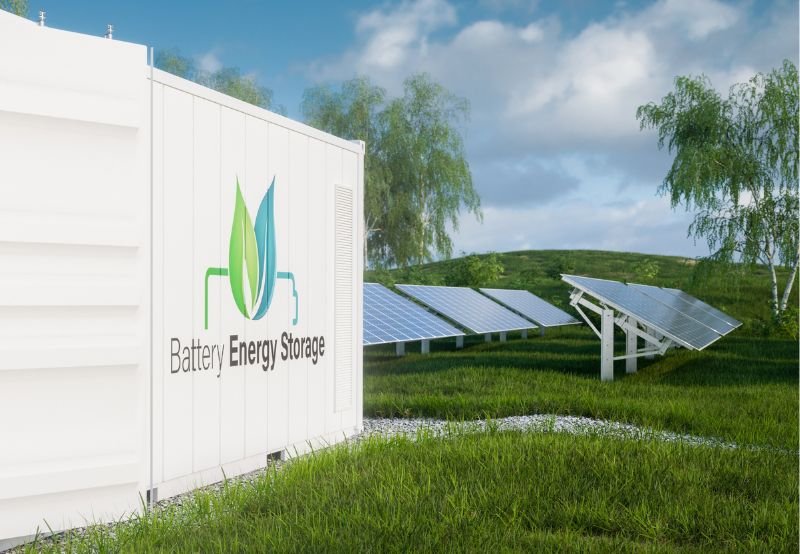
Stable DISCOM finances could accelerate adoption of grid-scale solutions like the 600 MW battery storage systems. Healthier balance sheets will enable DISCOMs to invest in grid reliability and renewable integration.
Rooftop Solar Revival
Net metering programs often get cut when DISCOMs face financial stress. This decision could reverse punitive policies that hurt homeowners with solar systems. Kerala’s 2022 net metering cuts show what’s at stake for residential solar adoption.
Four-Year Timeline: Fast Enough for Solar Growth?
While India adds ~15GW solar annually, waiting until 2027 for DISCOM stability may slow progress. However, it’s faster resolution than coal plant arrears that dragged since 2015, marking progress for India’s renewable transition.
Key Developer Considerations
Solar companies should track state budgets closely – Maharashtra and Rajasthan owe the most. Payment schedules now demand the same scrutiny as PV module degradation rates. This ruling may finally eliminate the ‘DISCOM risk premium’ from bid prices.
While not an instant fix, this judgment marks a turning point for India’s solar sector – where payment security often seemed impossible, and solar-plus-storage solutions gain new viability.