India’s Solar Firms Adapt as ISTS Waiver Ends
For nearly a decade, India’s interstate transmission system (ISTS) waiver quietly shaped renewable power economics. Solar developers could wheel electricity across state borders without paying hefty transmission charges—a perk that made large-scale projects viable. Now that the waiver’s gone, the industry’s scrambling to adapt.
Why the ISTS Waiver Mattered
The ISTS waiver was like a backstage pass for renewables. It let solar and wind projects in resource-rich states (think Rajasthan’s sunbelt or Tamil Nadu’s windy coasts) sell power to high-demand regions like Delhi or Maharashtra. Transmission costs? Almost zero. Suddenly, remote solar farms made economic sense. However, developers now face a 20-30% jump in costs for long-distance transmission.
New Challenges in Solar Project Costs
Without the waiver, a 100 MW project in Rajasthan selling to Uttar Pradesh now pays ₹0.70-1.20 per unit just for wheeling. This has forced some developers to rethink site selection—favoring states with both good irradiation and local demand. The growth of industrial rooftop solar is a case in point.
Battery Storage Steps Up
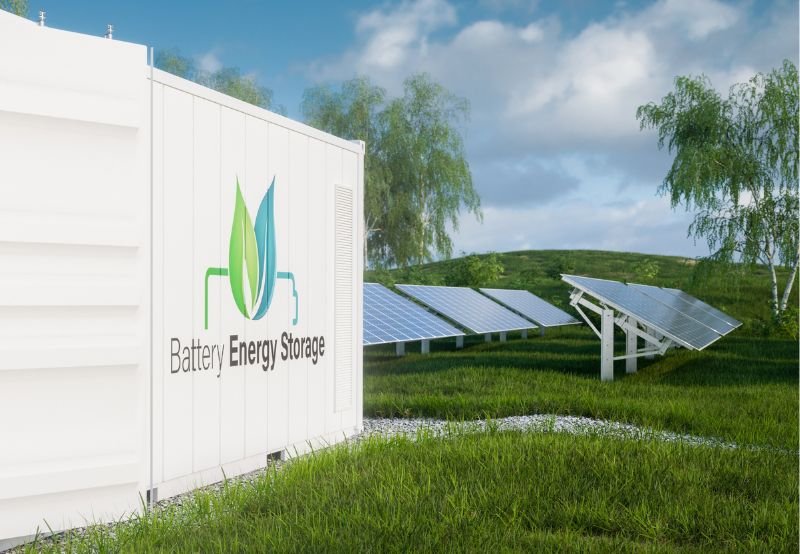
Some firms are pairing solar parks with Tesla Megapacks or Fluence batteries. Store daytime surplus, sell during evening peaks when tariffs are higher. It’s pricey upfront but avoids transmission fees entirely. This is in line with the growth of battery storage technologies like Elementa Pro.
The Rooftop Silver Lining
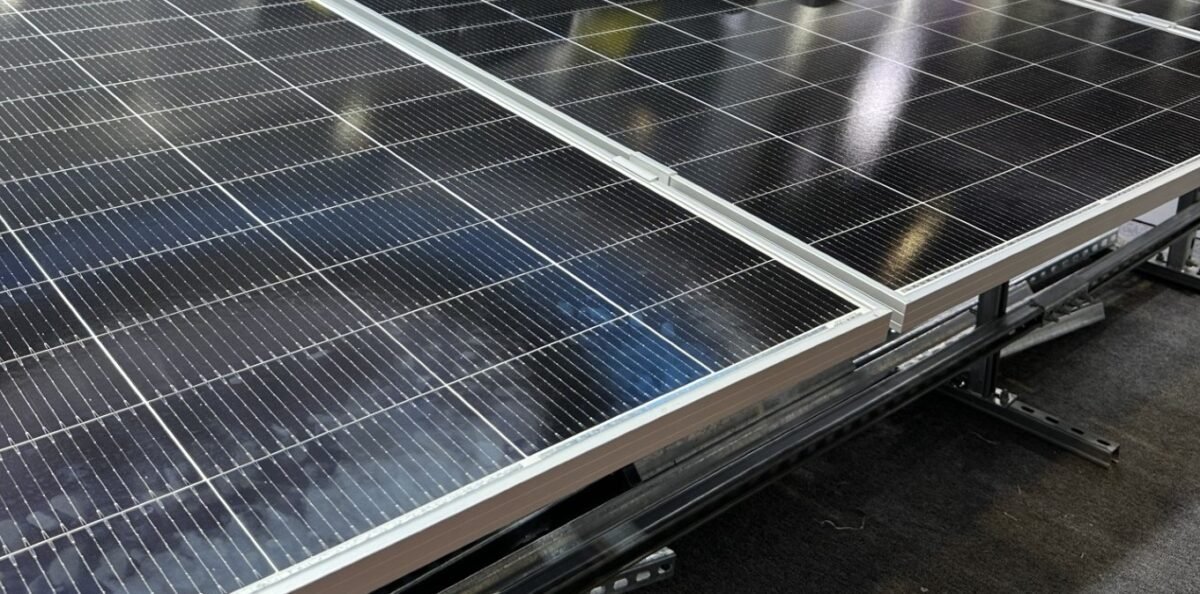
Ironically, the waiver’s end boosts distributed solar. Commercial rooftops with 500 kW systems don’t need transmission grids—they consume power onsite. Brands like Loom Solar and Havells report 35% more inquiries from factories and malls since April, highlighting the benefits of rooftop solar for manufacturing.
Net Metering Wars
But here’s the twist: states like Kerala are slashing net metering benefits. Solar payback periods stretched from 4 to 7 years? That’s got homeowners fuming. Maharashtra’s new 5 kW cap on net metering isn’t helping either. This underscores the importance of streamlining rooftop solar regulations across states.
The Big Picture
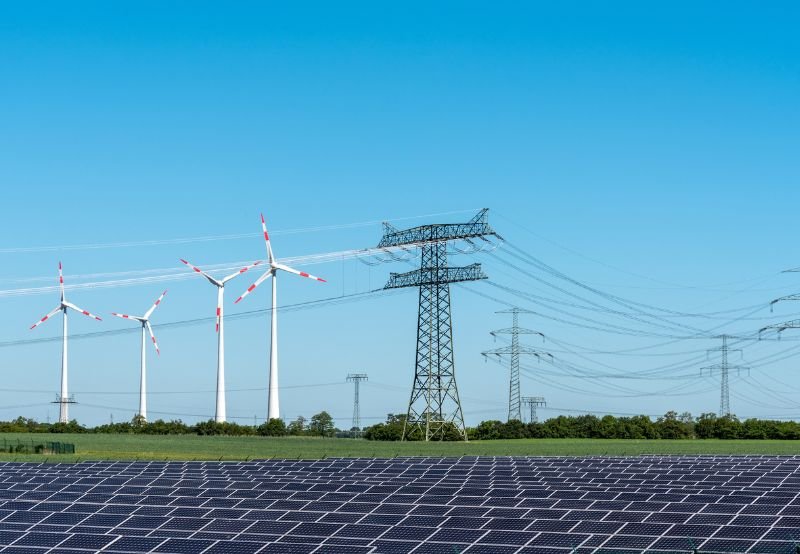
The ISTS shift exposes India’s grid bottlenecks. Until intra-state networks modernize, solar growth may slow. But with module prices at record lows (₹19/Watt!), the industry’s far from doomed—just evolving. As one Jaipur developer put it: “We’ll build smaller, smarter, and closer to cities.” This adaptability, combined with innovation from solar industry leaders, will be crucial for India’s renewable energy goals.