India Seeks Input on Updated Solar Equipment Testing Rules
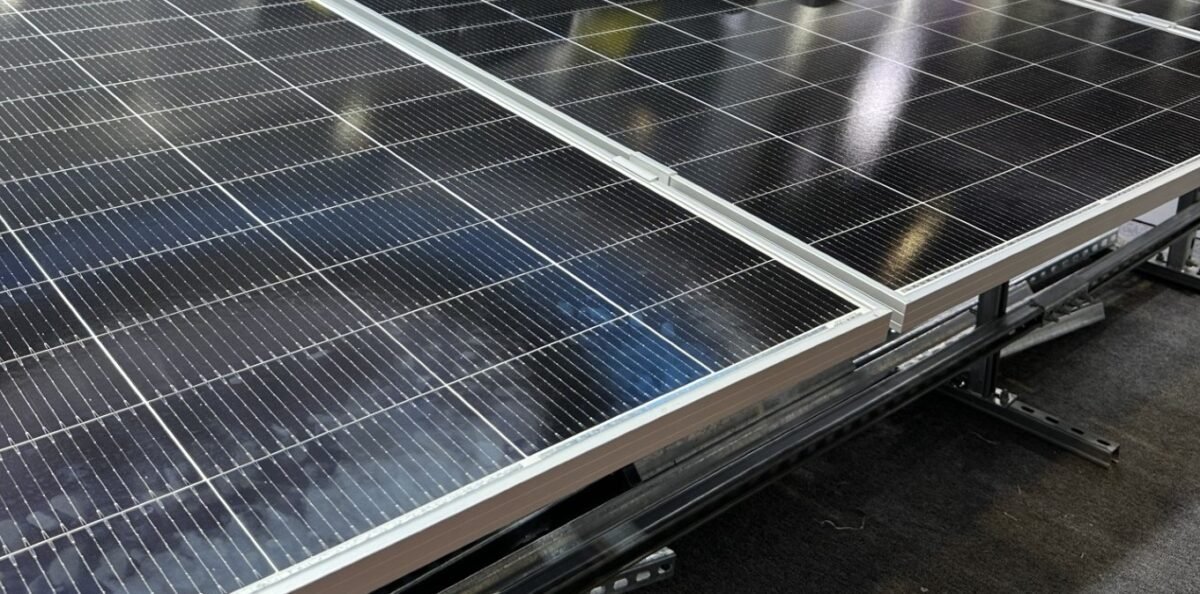
The Central Electricity Authority of India (CEA) has issued revised quality guidelines for power sector equipment, seeking input from industry stakeholders. This update directly affects solar panel, inverter, and balance-of-system component manufacturers involved in testing and certifying equipment for India’s growing renewables market.
The Need for Revised Testing Rules
Older solar installations, such as those from the rooftop solar boom of previous years, have faced issues like failure after monsoon seasons or grid-tied systems tripping during voltage fluctuations. The CEA’s previous testing standards from 2017 were insufficient for the industry’s current landscape, which features advanced technology like 500W bifacial modules and Teslas and Sungrow leading the BESS market.
For example, thermal cycling tests that lasted only 200 hours are now known to be inadequate, especially for desert installations that require over 1,000 hours of testing. These updates will likely benefit high-quality manufacturers like Sungrow while potentially impacting budget brands that may struggle to meet the new standards.
The Hidden Cost of Cutting Corners
While skipping additional rounds of damp heat testing may save ₹2 lakh per MW commission upfront, the long-term costs can be substantial. Premature degradation of just 20% of a 100MW plant can result in ₹8 crore in lost revenue over a decade. The CEA’s push for alignment with IEC 61215:2021 standards is not about bureaucracy but about ensuring the financial viability of solar projects through quality equipment.
Providing Feedback
Stakeholders have until Diwali to submit comments via the CEA portal. Solar developers should focus on Clause 4.2 regarding field testing waivers for MNRE-approved labs, while manufacturers may want to challenge the 18-month recertification rule. Referencing IS 14286 standards can be beneficial when arguing for local condition adaptations.
This initiative mirrors international efforts to improve solar equipment testing, such as those in the European solar grid cybersecurity sector. By enhancing testing requirements, India aims to secure its position in the global renewable energy landscape.
As the solar manufacturing industry in India continues to grow, these new testing standards will ensure that equipment manufacturers produce high-quality products.