India’s 40 GW Solar Boom: Why Global Investors Can’t Look Away
The Ministry of New and Renewable Energy (MNRE) has announced a significant development in India’s clean energy sector, with a whopping 40 GW of solar projects in the pipeline. This growth has everyone talking, and global investors are taking notice. But what’s really driving this solar surge?
From Megawatts to Muscle: India’s Solar Evolution
India’s solar industry has come a long way, shifting from mere capacity building to grid resilience. The latest update shows a sharp focus on making solar work harder, with advancements in battery storage hybrids, advanced forecasting, and grid-friendly inverters from brands like Fronius and Huawei. It’s no longer just about installing panels; they need to dance to the grid’s tune.
Batteries: The Unsung Heroes
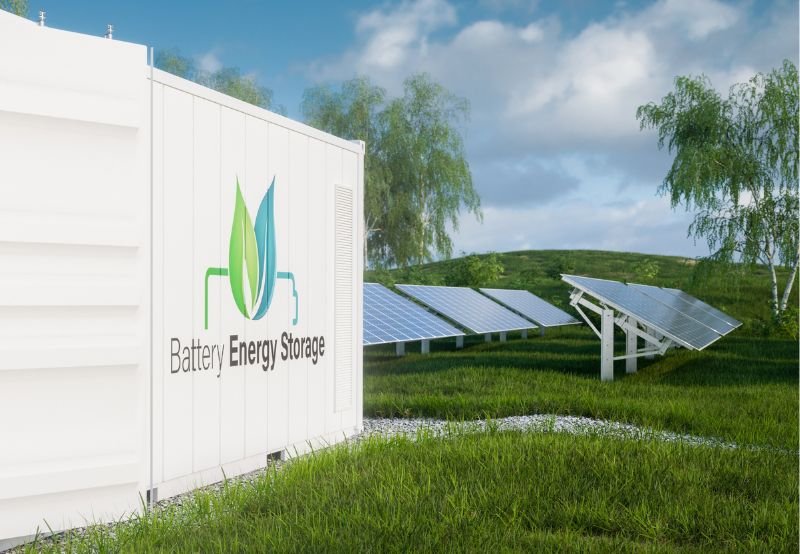
Critics often say solar is unreliable, but projects like the 2 GW Pavagada park, which pairs PV modules with Tesla Megapacks, are changing the narrative. The math is simple: daytime generation + nighttime storage = 24/7 clean power. States like Rajasthan and Karnataka are already betting big on this combo.
The Foreign Investment Magnet
Why are firms like SoftBank and ReNew doubling down on India’s solar market? Three letters: ROI. Between production-linked incentives for local manufacturing and tariffs under ₹2.50/kWh, India’s solar market offers something rare – scale and margins. As one industry insider joked, ‘Even the monsoons can’t dampen these returns.’
But What About Policy Flip-Flops?
Sudden customs duty hikes on Chinese components gave developers headaches last year. Yet, here’s the twist – it forced innovation. Domestic players like Waaree and Adani now supply 60% of modules for new projects. Sometimes, constraints breed the best solutions.
The Road Ahead: Transmission or Traffic Jam?
With great megawatts come great challenges. India’s grid infrastructure needs a serious upgrade to handle 40 GW of new solar. The ISTS waiver helps, but watch out for bottlenecks in states with weak distribution companies. This isn’t just about panels – it’s about wires, substations, and old-school bureaucracy.
A Farmer’s Field or a Solar Farm?
Land acquisition remains prickly. Innovative