India Aims for 220 GW Solar Module Capacity to Lead Clean Energy
India’s solar energy story is no longer just about domestic adoption—it’s about global leadership. With ambitious plans to ramp up solar module manufacturing capacity to 215–220 GW, the country is positioning itself as a powerhouse in clean energy production.
From Import Dependence to Export Ambitions
Ten years back, India relied heavily on imported solar panels, mostly from China. Fast forward to today, and the landscape looks dramatically different. Government initiatives like the Production Linked Incentive (PLI) scheme have supercharged local manufacturing. Companies like Adani Solar and Waaree are now competing globally, not just in terms of cost but also technology.
Why 220 GW Matters
At first glance, 220 GW sounds like just another big number. But break it down: this capacity could power every household in India’s top 10 cities—twice over. More importantly, it reduces reliance on unpredictable imports and creates a buffer against global supply chain hiccups. Remember the COVID-induced semiconductor crisis? Solar doesn’t need chips, but it does need panels. Local manufacturing ensures we’re never caught off guard.
The Rooftop Revolution Isn’t Slowing Down
While utility-scale projects dominate headlines, residential and commercial solar are quietly rewriting rules. Net metering policies have improved (though could be better), and lithium-ion battery prices have dropped nearly 40% since 2018. A 3 kW system that needed 8–9 years to break even in 2015 now does so in under 5 years in most states. That’s progress even your accountant would smile at.
Challenges? Sure, But Not Dealbreakers
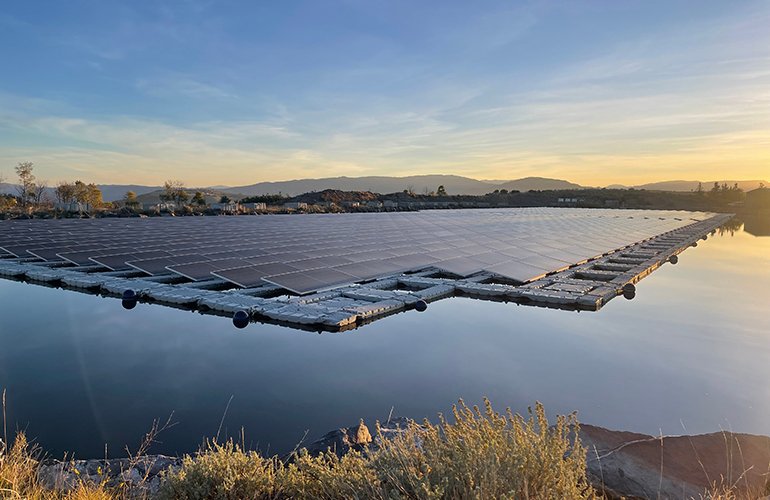
Land acquisition remains a headache, and grid integration isn’t perfect. But innovative solutions are emerging—floating solar farms on reservoirs, agrivoltaics combining crops with panels, and smart inverters from companies like Fronius that help stabilize local grids. These aren’t futuristic concepts; they’re being deployed today across Tamil Nadu and Rajasthan.
What This Means for Solar Professionals
For installers, this manufacturing boom translates to shorter lead times and more predictable pricing. Engineers now have access to cutting-edge PERC and bifacial panels without import hassles. And policymakers? They’re finally