Illinois Expands Solar Incentives as Federal ITC Declines
The Illinois Commerce Commission (ICC) just made a big move for solar—doubling the capacity of its Adjustable Block Program. Effective immediately, this expansion means more community projects, commercial installations, and savings for homeowners as the federal Investment Tax Credit (ITC) phases down. But what does this mean for installers, developers, and everyday energy consumers? Let’s break it down.
Why Illinois is Betting Big on Solar Now
Solar energy isn’t just about going green anymore—it’s about economics. With rising grid electricity costs, Illinois’ decision to ramp up incentives is a direct response to market pressure. The updated Long-Term Renewable Resources Procurement Plan (LTRRPP) for 2024–2026 isn’t just paperwork; it’s a lifeline for projects that might’ve stalled after the federal ITC drops to 26% in 2025. Think of it as a state-level safety net.
The Adjustable Block Program: Doubling Down
Here’s where it gets interesting. The Adjustable Block Program, which already fueled over 1 GW of solar in Illinois, just got a 100% capacity boost. For developers, that translates to more upfront cash for community solar gardens and commercial rooftops. Homeowners? They’ll see lower upfront costs thanks to higher rebates. And while Tesla Powerwall sales might spike, don’t overlook local installers—they’re the ones wiring this expansion.
But What About Winter?
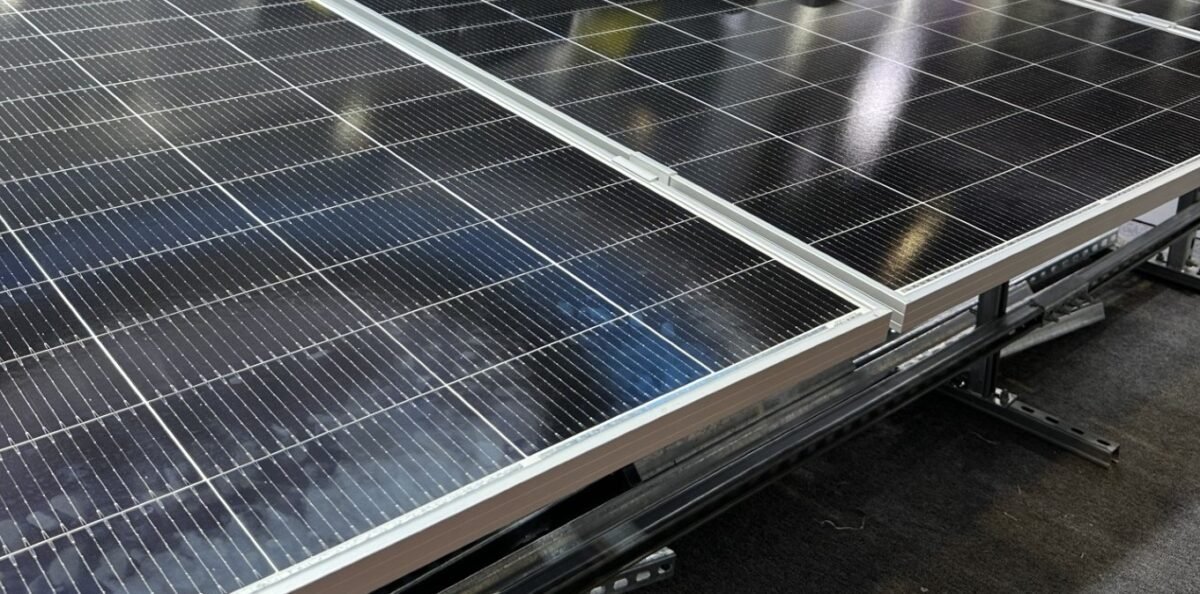
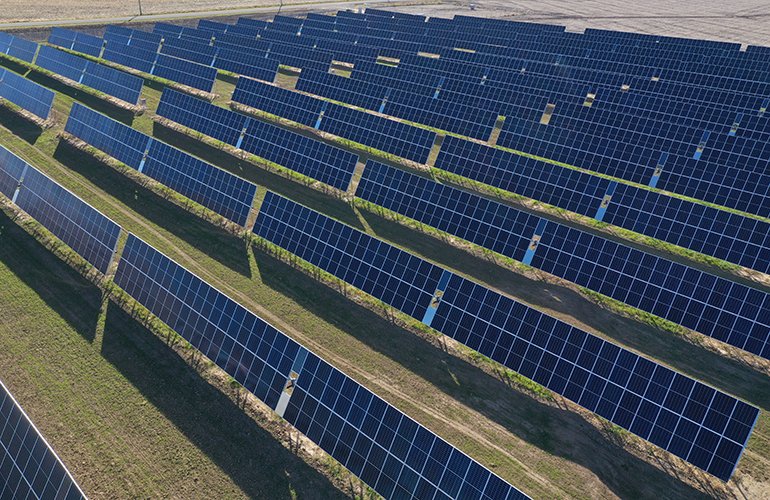
Solar skeptics love to ask: “What happens when it’s cloudy?” Fair point, but Illinois isn’t Arizona. Yet, with advanced bifacial panels and tracking systems (like those from Nextracker), even Midwest winters can’t stop the ROI. A 10-kW system in Chicago now pays for itself in 6–8 years, down from 10+ pre-incentive. That’s grid parity knocking.
The ITC Phase-Out: A Looming Deadline
Here’s the irony: just as federal support wanes, Illinois steps up. By 2027, the ITC drops to 0% for residential projects. The ICC’s timing isn’t accidental—it’s a buffer against the coming cliff. Projects locked in by 2026 can still claim the higher credit, making the next 24 months a gold rush for solar contractors. Miss this window, and you’re leaving money on the table.
What’s Next for Installers?
If you’re a solar pro in Illinois, now’s the time to stock up on Fronius inverters and update your proposals. The LTRRPP also includes workforce training funds—because someone’s got to install all these panels. And with ComEd’s net metering policies still friendly, the economics are hard to ignore. Reliability isn’t a luxury; it’s non-negotiable.
This reminds me of California’s 2020 rollout—same urgency, less red tape. The difference? Illinois learned from the chaos. No interconnection backlogs (yet), and a clear pipeline for approvals. Still, expect midnight oil burned at engineering firms.
The Bottom Line
Solar seems expensive… until you run the numbers. With Illinois’ beefed-up incentives and hardware prices down 70% since 2010, the math works. For once, policy isn’t playing catch-up—it’s leading. Whether you’re a subcontractor or a suburban homeowner, the message is clear: get in before the ITC sunset.