IEA Meeting in Asia Boosts Solar Energy Security Plans
The International Energy Agency (IEA) held its first-ever Governing Board meeting in Asia, choosing Singapore as the host city. This landmark event signals a significant shift toward prioritizing Asia’s role in global energy security and renewable adoption. The meeting, organized with Singapore’s Ministry of Trade and Industry and the Energy Market Authority, is crucial for solar professionals to understand the future of solar energy in Southeast Asia.
Why Asia, Why Now?
The world’s energy map is changing rapidly. While Europe and North America have led renewable energy discussions for years, Asia is now the battleground for solar growth. Countries like India, China, and Vietnam are installing solar panels at record rates, yet face unique challenges—grid instability, policy gaps, and financing hurdles. The IEA’s move to Asia isn’t just symbolic; it’s a practical nod to where the real action is in India’s renewable energy sector.
Solar’s Double-Edged Sword in Emerging Markets
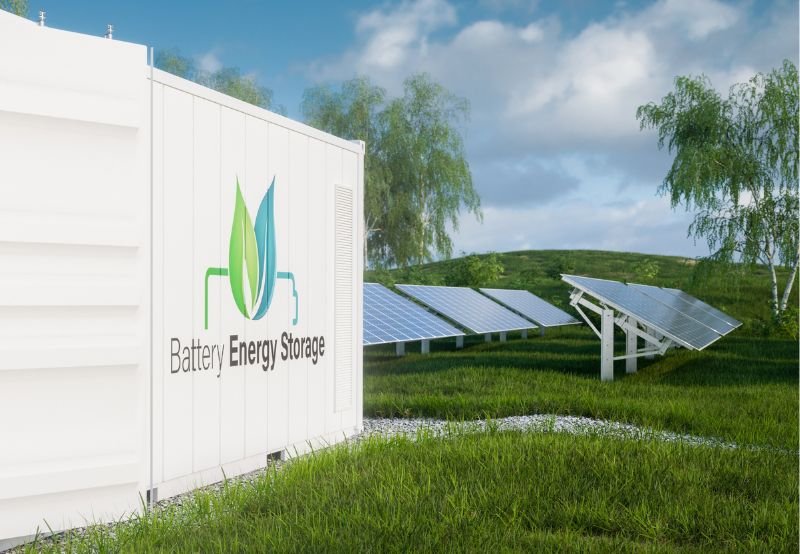
On one hand, solar energy costs have plummeted. A megawatt-hour of utility-scale solar in India now costs less than coal in many regions—something even skeptics didn’t predict a decade ago. Yet, rapid adoption strains aging grids not designed for variable renewables. Remember when South Australia’s grid crashed in 2016 due to renewable intermittency? Asia wants to avoid that story, focusing on solar plus storage solutions.
Key Takeaways for Solar Pros
The meeting circled three pain points: grid modernization, cross-border energy trade, and storage integration. Here’s the translation for installers and developers:
- Grids Need Smart Upgrades: Advanced inverters (think Fronius or Sungrow) that stabilize voltage fluctuations will be in demand.
- Regional Power Pools: Imagine Thailand selling excess solar to Laos during peak sun—this could redefine net metering.
- Battery Breakthroughs: Tesla’s Powerwall is just the start. Flow batteries may dominate large-scale projects by 2030, especially in India’s solar market.
The Contradiction: Cheap Solar, Costly Challenges
Solar panels are cheaper than ever, but system costs aren’t falling as fast. Soft costs—permitting, labor, and financing—now make up nearly 70% of rooftop solar expenses in Indonesia. The IEA hinted at standardized permitting processes, a move that could slash project timelines and