HTEC’s Burnaby Facility Marks BC’s Clean Hydrogen Milestone
When HTEC switched on British Columbia’s first commercial-scale clean hydrogen electrolyzer last week, it wasn’t just another ribbon-cutting ceremony. This Burnaby facility could quietly change how the province powers everything from trucks to factories—without the usual carbon drama.
Why This Electrolyzer Isn’t Just a Science Project
At 2.5MW capacity, the proton exchange membrane (PEM) electrolyzer won’t single-handedly solve Canada’s emissions crisis. But here’s the kicker: it’s the first in BC to produce hydrogen commercially using renewable electricity, not fossil fuels. That means zero greenhouse gases during operation—a big deal for industries still hooked on diesel.
The Naysayers Were Half Right
Critics argued hydrogen was too costly to replace conventional fuels. They’re not wrong about today’s prices, but HTEC’s playbook focuses on applications where hydrogen shines brightest. Think long-haul trucking fleets and industrial processes needing ultra-clean energy. The numbers start making sense when you factor in carbon taxes and fuel savings over a 10-year horizon.
How This Fits into Solar’s Ecosystem
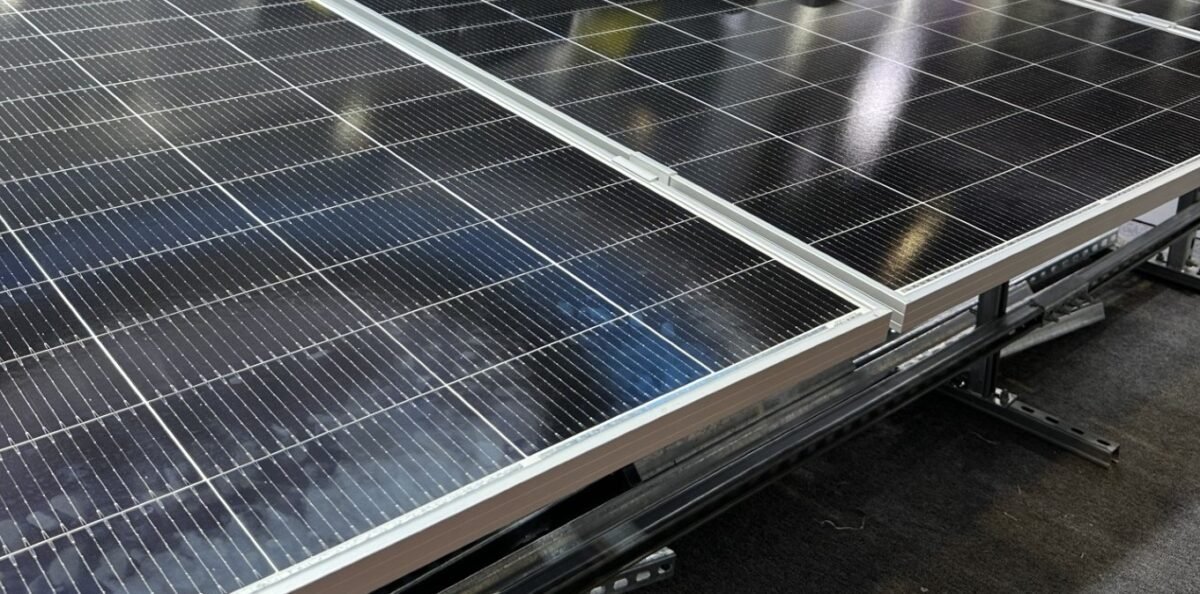
Solar developers might wonder what hydrogen has to do with their PV arrays. More than you’d think. HTEC plans to source renewable electricity from BC Hydro’s grid (which includes solar contributions) during off-peak hours. Imagine a future where excess solar energy gets stored as hydrogen instead of batteries—suddenly those 600W bifacial panels look even smarter.
The Infrastructure Puzzle
Right now, the facility produces enough hydrogen for about 50 fuel-cell trucks daily. Not bad, but the real hurdle? Distribution. HTEC cheekily calls their network “Hydrogen Highway 2.0,” with stations planned across BC and Washington. If they nail the logistics, even Tesla Semi operators might take notice.
The Looming Question: Will It Scale?
Canada’s hydrogen strategy bets big on 30% clean energy integration by 2050. HTEC’s Burnaby site is a modest 0.0001% of that target. But remember—every solar farm started with a single panel. The electrolyzer’s modular design allows capacity boosts as demand grows, much like adding strings to a solar inverter.
This isn’t hydrogen’s first rodeo, but it might be the first time the technology feels… normal. Not a moonshot, just solid infrastructure. And that’s exactly what BC’s energy transition needs.
Read more about Canadian Solar’s efforts in the renewable energy sector.