How the OBBB Reshapes Residential Solar Economics
If you’ve been tracking solar policy changes this summer, you’ve probably heard about the “One Big Beautiful Bill” (OBBB). Signed into law in early July, it’s got the residential solar industry buzzing—and for good reason. Here’s what you need to know.
The Clock Is Ticking on 25D
One of the biggest changes? The OBBB phases out the 25D tax credit at the end of 2025. That’s right—the credit homeowners count on to offset solar panel costs will vanish in a couple of years. But don’t panic yet.
Third-Party Ownership Stays Alive
While 25D sunsets, third-party ownership models (think leases and PPAs) still get to play ball. That’s a quiet win for companies like Sunrun and Sunnova, which rely on these structures to keep solar accessible.
Consumer Data Tells the Story
Early stats show something surprising: homeowners aren’t waiting. Install requests spiked 18% in August alone—likely fueled by the “use it or lose it” tax credit mindset. But is this rush sustainable?
Batteries Enter the Chat
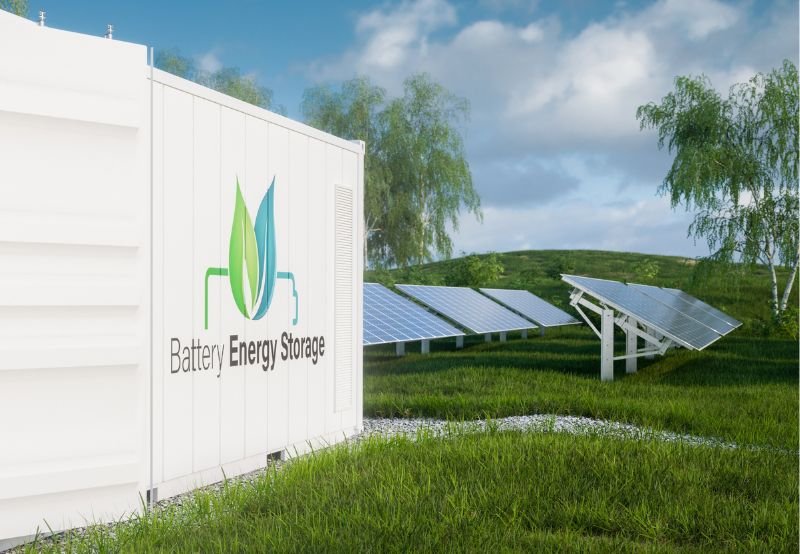
Here’s where things get interesting. With storage incentives still intact under OBBB, pairing Tesla Powerwalls with solar is becoming standard practice. One installer told me their battery attachment rate doubled since July—”like adding espresso to coffee,” as they put it.
The Policy Paradox
At first glance, killing 25D seems bad for solar adoption. Yet the data suggests otherwise: grid-tied systems are more profitable than ever in states with strong net metering. Arizona households now see payback periods under 5 years—faster than most car loans.
What’s Next?
Keep an eye on how utilities adjust. Some are already pushing demand charges that could erode savings. But with solar+storage systems hitting grid parity in 26 states (yes, we counted), the economics keep getting harder to ignore.
This reminds me of California’s 2020 rollout—scary at first, but ultimately a catalyst for smarter system designs. The OBBB might just follow that playbook.