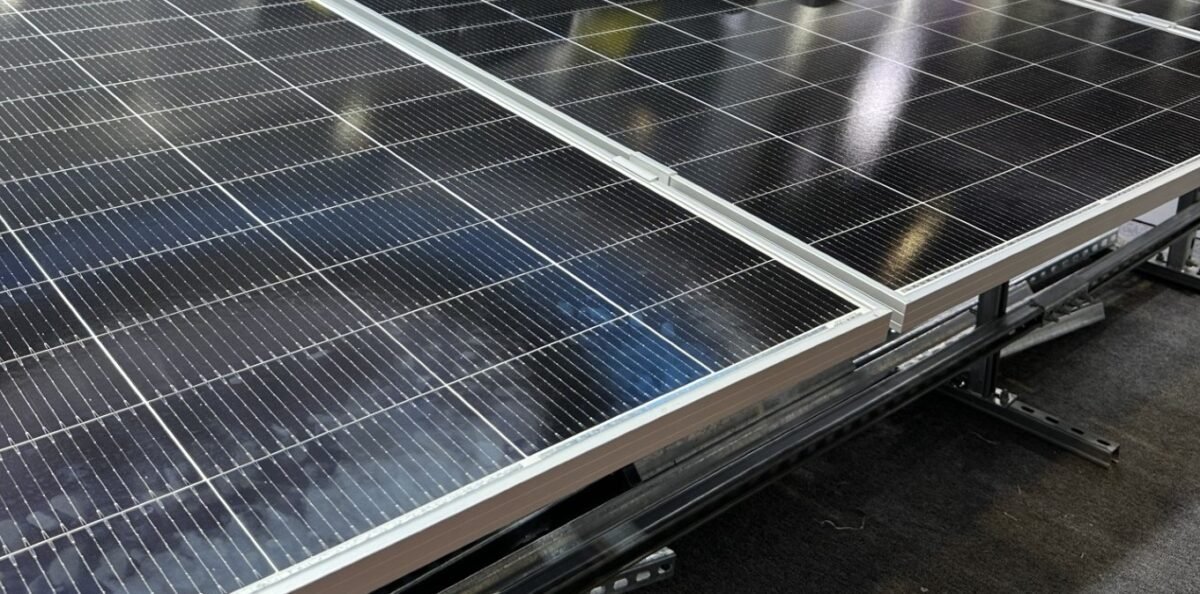
HERC Proposes Key Changes to Rooftop Solar Regulations in 2024
The Haryana Electricity Regulatory Commission (HERC) has announced draft amendments that could transform rooftop solar economics in 2024. These changes impact energy accounting and surplus compensation mechanisms, affecting solar developers, installers, and residential adopters across India’s growing renewable energy market.
Major Regulatory Shifts in Haryana’s Solar Policy
HERC’s proposal revises two critical aspects of net metering: energy credit calculations and compensation for excess solar power fed back to the grid. The changes particularly affect commercial-scale installations and could influence India’s broader energy transition landscape.
Energy Credit System Overhaul
Current 1:1 kWh credit policies may give way to tiered rates or time-based valuations. Midday solar exports could receive lower credits when grid demand is lower – an approach similar to California’s NEM 3.0 framework. This aligns with global trends toward smart grid integration and demand-based pricing.
Revised Surplus Compensation
The draft suggests replacing retail-rate buybacks with wholesale tariffs or fixed rates. While systems with storage like the Enphase IQ Battery 5P may adapt better, traditional grid-tied installations could see extended payback periods.
Industry Implications and Next Steps
With Haryana’s aggressive 2030 renewable targets, these changes may set precedents for other states. The public consultation period remains open until March 15, 2024, giving stakeholders time to influence the final policy. Solar developers should monitor how Gujarat and Maharashtra respond, as India’s energy storage sector prepares for these evolving market conditions.