GUVNL Proposes ₹2.60/kWh Tariff For Gujarat Solar Project
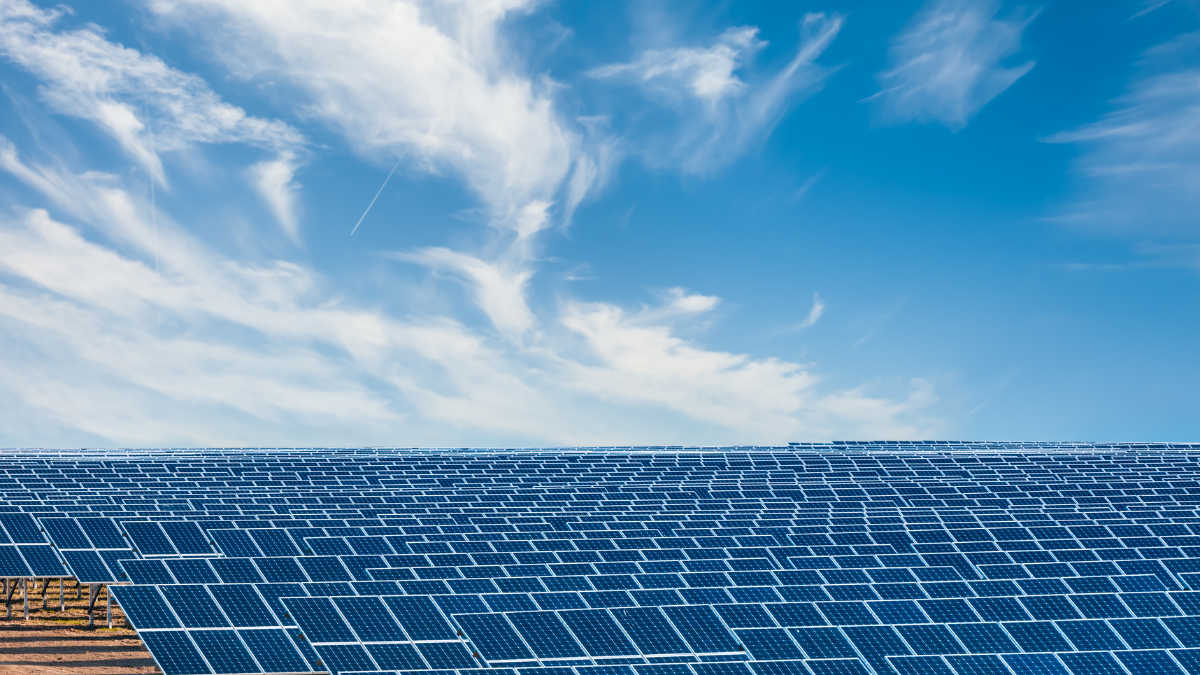
Gujarat Urja Vikas Nigam Limited (GUVNL) has filed a petition with the Gujarat Electricity Regulatory Commission (GERC) seeking approval for a tariff of ₹2.60 per kilowatt-hour (kWh) for a new 500 MW solar power project. This move could set a new benchmark for solar energy pricing in India’s competitive renewable energy market.
Why This Tariff Matters
At ₹2.60/kWh, this proposed rate inches closer to grid parity—the point where solar panel systems become as affordable as conventional power.
The tariff under review reflects the continued cost declines in solar panel technology and project development. Remember when ₹4/kWh seemed ambitious? Now we’re seeing bids that would’ve seemed impossible five years ago.
Project Details You Should Know
The 500 MW installation will contribute significantly to Gujarat’s renewable energy targets. For context, that’s enough capacity to power approximately 200,000 homes during daylight hours.
GUVNL hasn’t disclosed the exact technology mix, but given recent trends, we can expect:
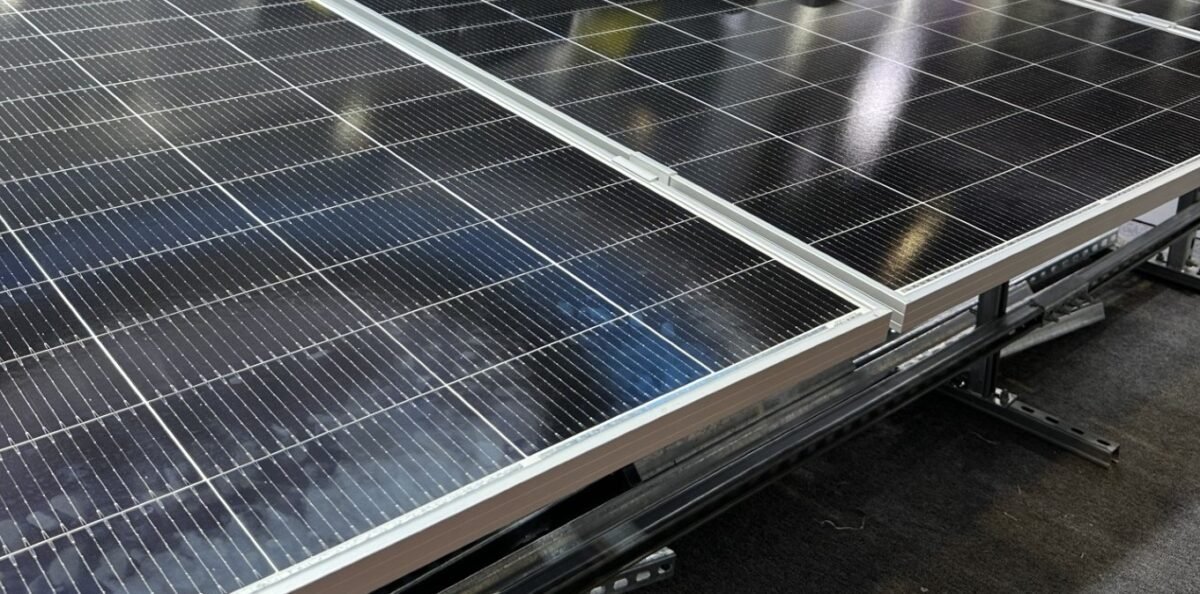
- Monocrystalline silicon panels (likely Tier 1 suppliers)
- Central or string inverters (probable choices include Siemens or Sungrow)
- Single-axis tracking systems for optimal yield
But Will GERC Approve?
Regulators face a tricky balance. While low tariffs benefit consumers, they must ensure project viability. Some developers complain razor-thin margins lead to corner-cutting on equipment quality, particularly in solar panel manufacturing.
This reminds me of California’s 2020 rollout where aggressive pricing led to module degradation issues. However, Gujarat’s strong sunlight (averaging 5.5 kWh/m²/day) provides better margins than most regions.
The Ripple Effects
Approval could pressure other states to follow suit. Tamil Nadu and Rajasthan might revisit their solar policies to remain competitive.
For EPC contractors, this signals continued emphasis on solar cost optimization. We might see more projects adopting robotic cleaning systems and AI-based O&M solutions.
What’s Next?
Industry watchers expect a decision within 90 days. If approved, bidding could begin by Q1 2026.
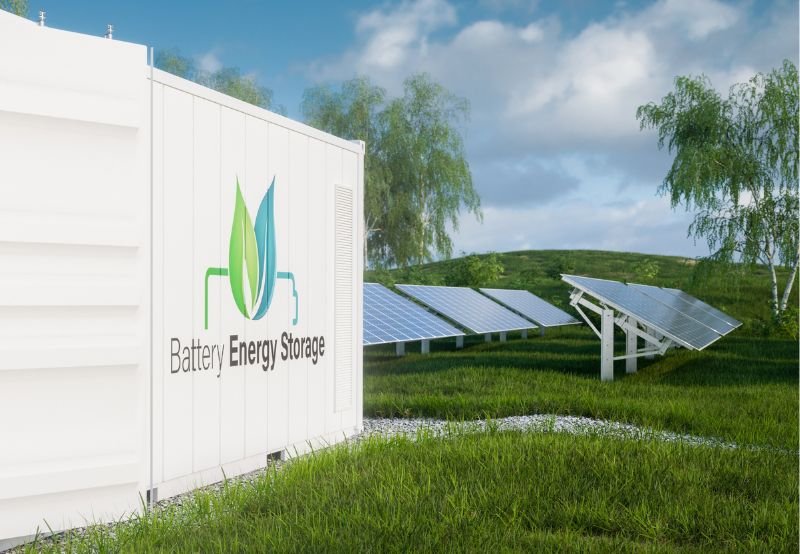
Grid integration remains a challenge—Gujarat already has 8 GW of installed solar capacity. The state may need to accelerate its battery storage plans to manage this new influx.
One thing’s clear: at ₹2.60/kWh, solar isn’t just green energy—it’s becoming the economically smart choice.