Ganesha Ecosphere Powers Plastic Recycling with Sustainable Rooftop Solar
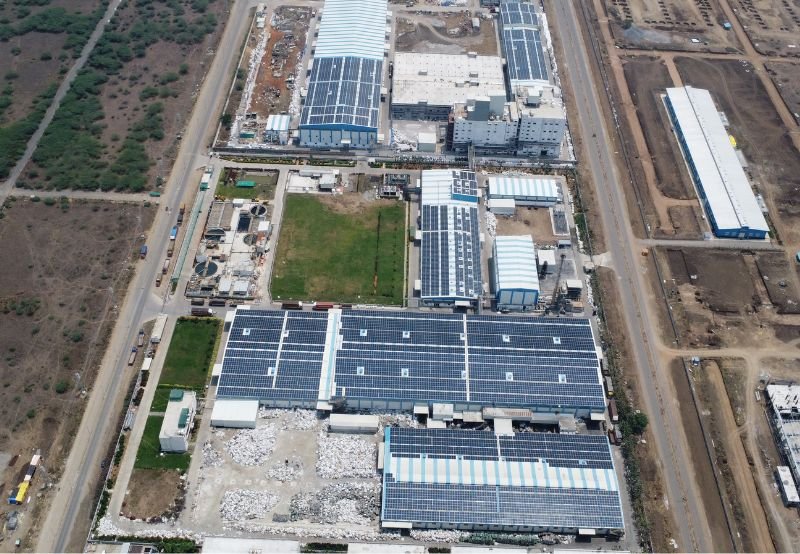
Ganesha Ecosphere isn’t just turning waste into reusable material—it’s now turning sunlight into serious savings. The company recently installed a 5 MW rooftop solar system at its Telangana facility, a move that slashes electricity costs and boosts its green credentials.
Why Solar Makes Sense for Energy-Intensive Recycling
Recycling plastics isn’t just about melting bottles. It’s a power-hungry process with sorting, washing, and extruding machinery running around the clock. With grid electricity in India being expensive, embracing solar was a no-brainer. Ganesha’s 5 MW system can generate enough juice to offset a hefty chunk of its daytime load – think 20,000+ kWh daily.
Maximizing Rooftop Real Estate
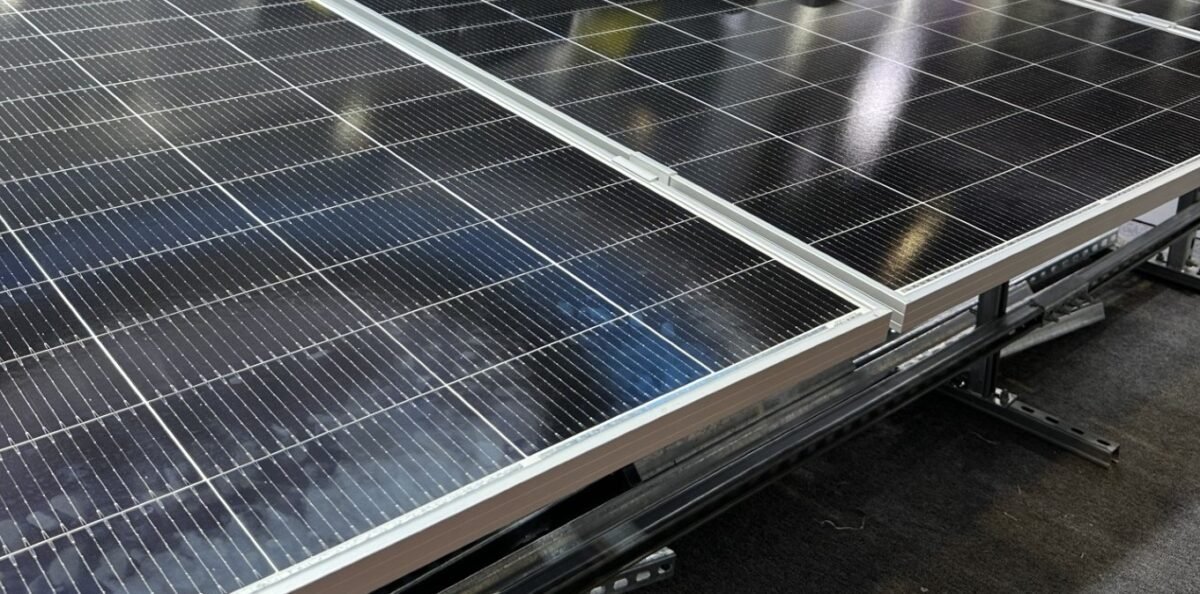
One might wonder: “Do recyclers even have space for solar?” Ganesha’s Telangana facility sprawls across acres, but rooftops are a prized resource. Instead of leasing land, they maxed out their own roof space with Tier-1 PV modules. This approach has zero extra land costs and zero transmission losses – just direct DC-to-AC conversion via Fronius inverters. Smart.
The Bigger Picture: Solar in Heavy Industry
Ganesha’s project isn’t isolated. From Tata Steel to UltraTech Cement, Indian manufacturers are betting big on solar to counter volatile coal prices. The twist? Recyclers like Ganesha get a double sustainability win – cleaning up waste while cleaning up their energy act.
What About Cloudy Days?
Solar might seem unreliable until you crunch the numbers. Telangana averages 300 sunny days a year. Even with monsoons, net metering credits bank excess generation for later use. And with industrial tariffs hitting ₹8–10/kWh, the payback period dips below 4 years. Suddenly, those “weak” generation days don’t look so bad.
No Urgent Need for Battery Storage
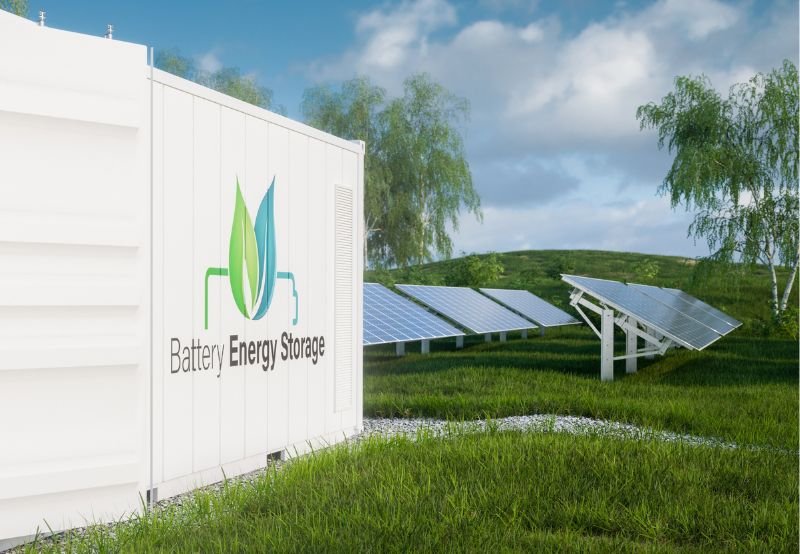
Storage could smooth out nighttime operations, but retrofitting a Tesla Powerwall-style setup isn’t urgent yet. Grid-as-backup works fine for now, especially with Andhra Pradesh’s open access policies letting industries draw renewable energy 24/7. Sometimes, the simplest solutions stick.