Boosting Energy Resilience: The US Army’s 13 MW Solar Project at Fort Polk
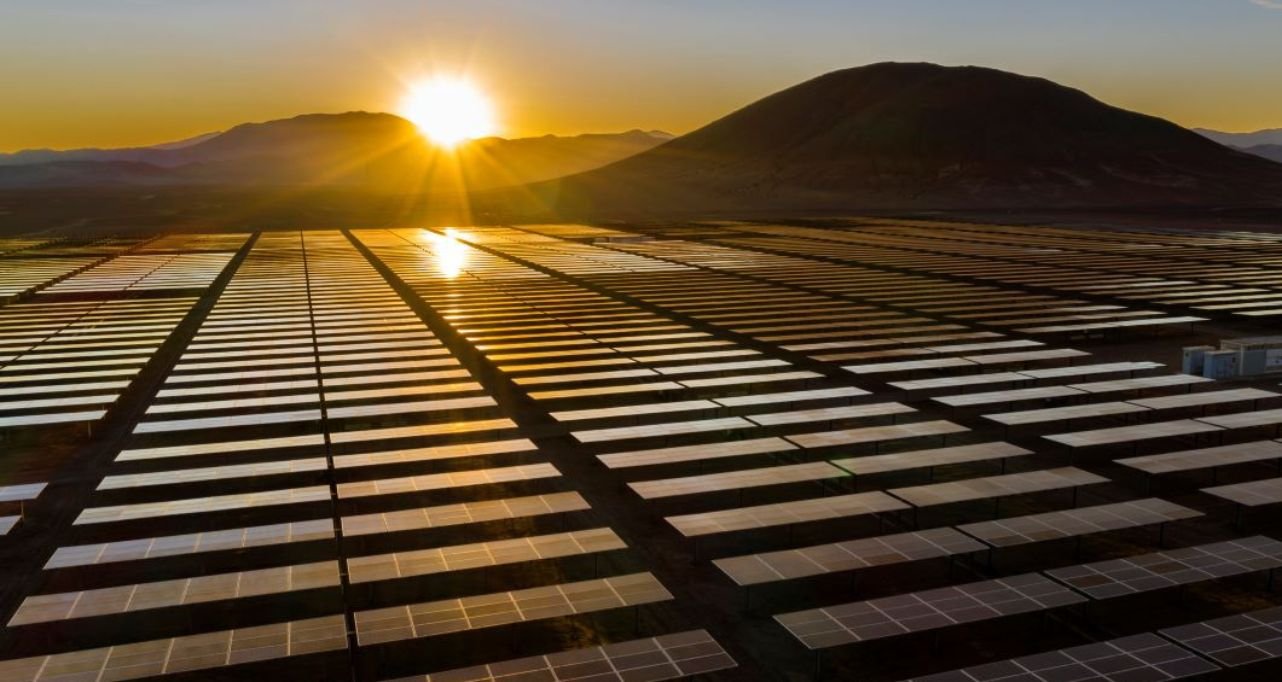
The US Army’s Fort Polk has made a significant leap toward energy independence with the completion of a 13 MW solar project. Solar energy is changing America’s power landscape, and this partnership shows how renewable energy can enhance national security.
Why Military Bases Need Solar Energy
Military installations consume massive amounts of electricity, and blackouts can compromise national security. Traditional diesel generators work but are loud, expensive, and rely on fuel deliveries. In contrast, solar arrays are silent, low-maintenance, and fueled by sunlight.
Energy Storage: The Next Frontier
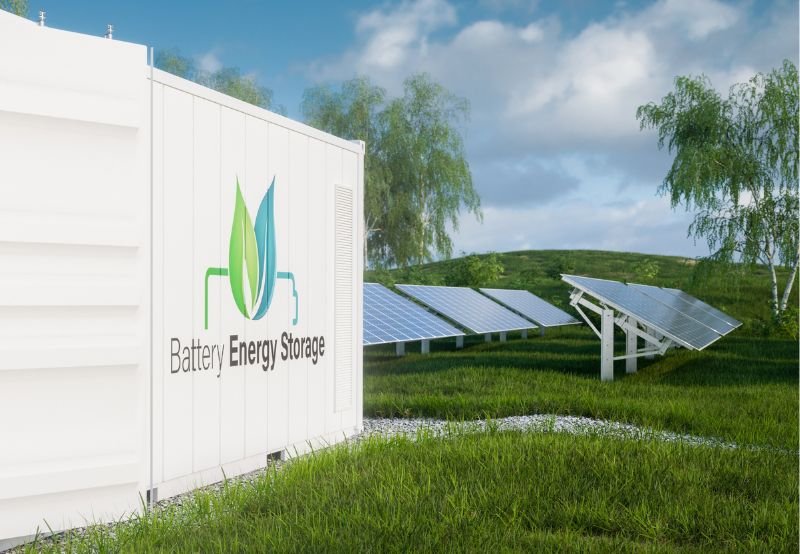
When clouds roll in, these projects connect to the grid but leave room for future battery storage. The integration of battery storage systems can turn this into a microgrid that keeps critical operations running during outages.
Public-Private Partnerships Drive Solar Growth
Corvias doesn’t just build; they manage infrastructure for military housing. Their involvement means soldiers’ families benefit too. Through power purchase agreements (PPAs), Fort Polk buys electricity at fixed rates without upfront costs, similar to how corporate renewable energy partnerships work.
The Ripple Effect
Other bases are watching. If Fort Polk, home to intense training exercises in Louisiana’s humidity, can make solar reliable, installations in sunnier states have no excuses. The Army aims for 100% carbon-free electricity by 2030, and projects like this prove it’s possible without sacrificing readiness.
A Solar-Powered Future
Ten years ago, skeptics said renewables couldn’t handle critical loads. Today, they’re powering national defense. This 13 MW project won’t single-handedly change the grid, but it’s a strategic proof point. As solar panel prices keep dropping and storms keep coming, solar isn’t just clean energy; it’s patriotic energy.