Floating and Distributed Solar Power: Philippines’ Renewable Energy Revolution
As climate change accelerates, the Philippines emerges as a Southeast Asian leader in adopting floating and distributed solar solutions. This article explores how these innovative technologies transform the nation’s energy landscape while meeting its ambitious 35% renewable target by 2030.
Philippines’ Renewable Energy Journey
The archipelago began its clean energy transition in the 1970s with geothermal power. Today, its abundant solar radiation (5-6 kWh/m² daily) creates ideal conditions for large-scale solar projects, particularly water-based installations that maximize limited land availability.
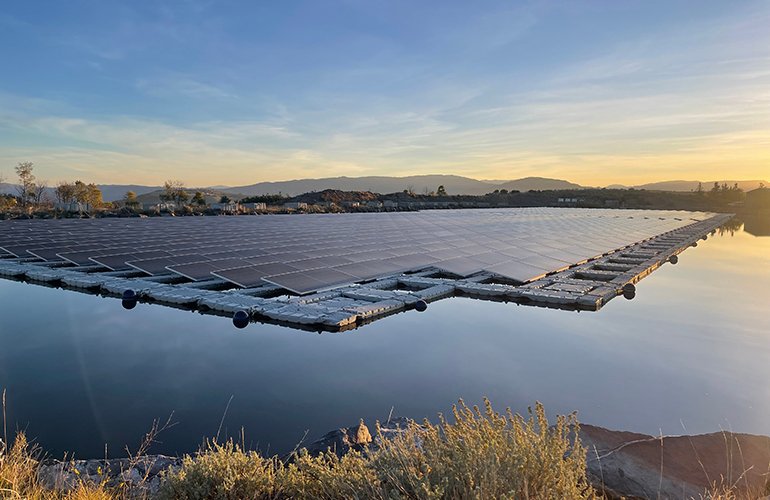
Why Floating Solar Excels in the Philippine Context
- Preserves valuable agricultural land
- Reduces water evaporation from reservoirs
- Boosts panel efficiency through natural cooling
Economic and Environmental Benefits
Local manufacturers like Waaree Renewable Technologies demonstrate how solar creates jobs while providing energy security. Distributed systems especially benefit remote islands, where grid expansion proves challenging.
Key Advantages of Hybrid Approaches
- 30-50% faster installation than ground-mounted systems
- Modular design adaptable to various water bodies
- Synergy with existing hydroelectric infrastructure
Overcoming Implementation Challenges
While initial costs remain high, innovative financing models like those seen in World Bank-funded projects help bridge the gap. The government also incentivizes private investment through tax breaks and streamlined permitting.
The Future of Philippine Solar
With floating solar capacity projected to triple by 2028, the Philippines’ renewable transition serves as a model for island nations worldwide. Strategic partnerships with technology leaders and community engagement will remain crucial for sustained growth in this vital sector.