EU Boosts Solar Industry with New State Aid for Decarbonization
The European Commission has introduced groundbreaking measures allowing member states to financially support clean energy projects through 2030. This strategic shift addresses cost barriers and adoption hurdles in the solar sector, accelerating Europe’s renewable energy transition.
Solar Energy Receives Major Financial Support
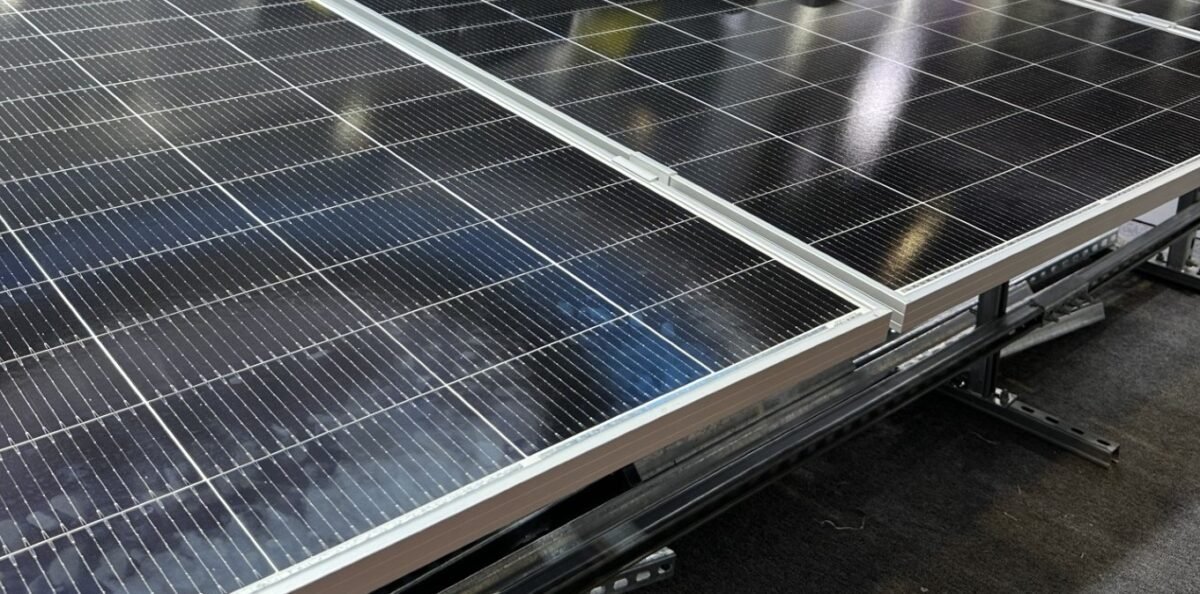
Photovoltaic (PV) modules remain crucial for clean energy, yet adoption faces three key challenges:
- High initial investment costs
- Complex regulatory processes
- Industrial transition barriers
The new framework provides targeted solutions through subsidies and incentives.
Key Components of the Solar Aid Package
Member states can now offer:
- Development grants for utility-scale projects
- Tax benefits for commercial rooftop installations
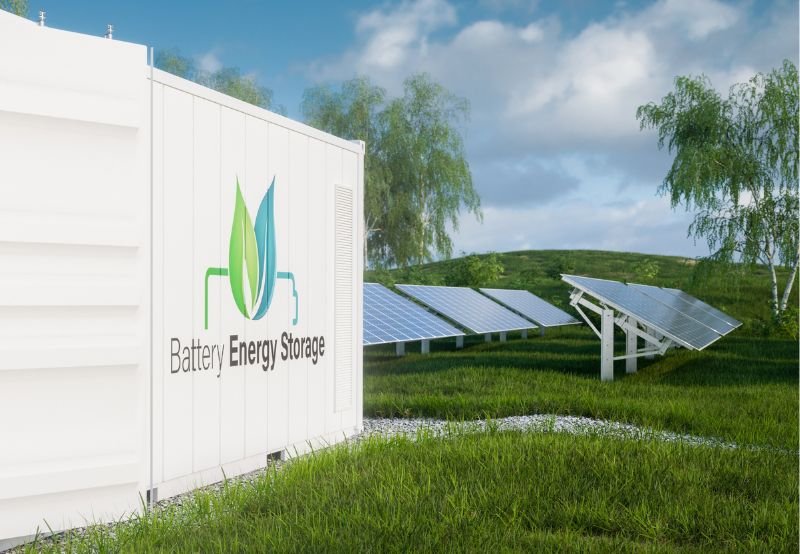
- Low-interest financing for storage systems
This aligns with growing battery storage investment trends supporting renewable integration.
Accelerating Grid Parity Across Europe
The policy helps bridge regional disparities through:
- Targeted funding adjustments
- Technology-specific incentives
- Market stabilization mechanisms
Industry Impact and Policy Benefits
Building on Germany’s Energiewende success, this initiative will:
- Expand solar manufacturing capacity
- Create 250,000+ green jobs
- Reduce CO2 emissions by 15% annually
Solar’s Improving Economics
Despite misconceptions, current solar economics show:
- Payback under 4 years for commercial systems
- 35% cost reduction since 2020
- 22%+ panel efficiency gains
Next Steps for Solar Expansion
While the framework addresses major barriers, ongoing focus areas include:
- Streamlined permitting processes
- Supply chain resilience
- Public awareness campaigns
This positions solar as central to Europe’s renewable energy future.