DEWA and Shell Explore AI’s Impact on Solar and Grid Modernization
Earlier this week, Dubai Electricity and Water Authority (DEWA) sat down with energy giant Shell to talk about something big—how artificial intelligence (AI) could reshape the way we generate, store, and distribute clean energy. Solar professionals, take note: this isn’t just high-level chatter. The meeting could signal where the industry’s headed next.
Why AI and Solar Make Strange (But Perfect) Bedfellows
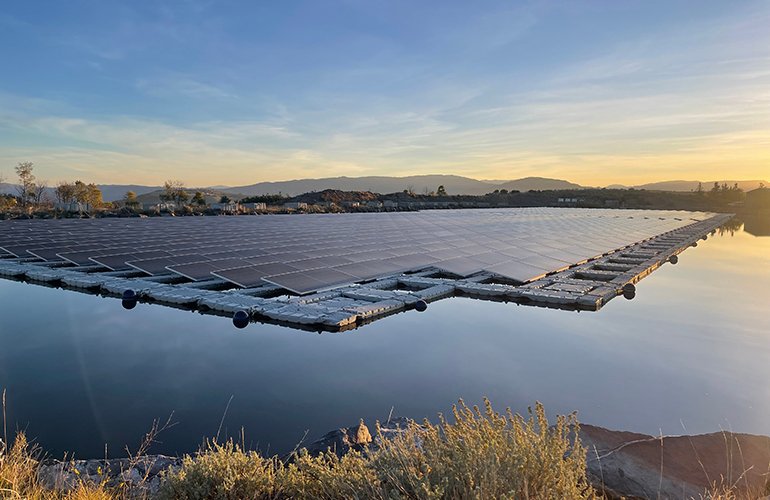
At first glance, solar panels and machine learning algorithms seem worlds apart. One’s baked in the desert sun; the other lives in server rooms. But here’s the twist—they’re becoming inseparable. Shell reportedly highlighted AI-driven predictive maintenance for wind farms, a tactic that could slash solar O&M costs by 20% if applied to PV systems. DEWA’s Mohammed bin Rashid Solar Park, already one of the smartest plants on Earth, might get even smarter.
The Battery Problem AI Might Solve
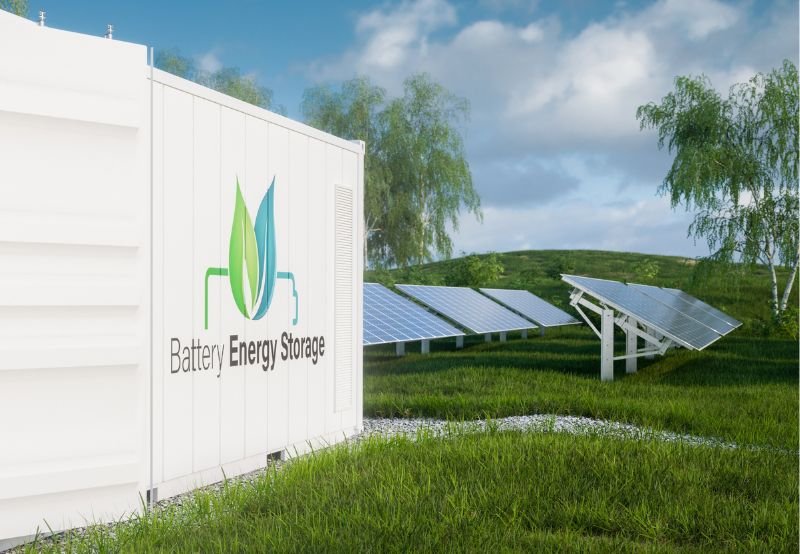
Everyone loves home storage—until they see the price tag. Tesla Powerwalls aren’t cheap, and that’s where AI steps in. Shell’s trials with ‘adaptive charging’ use weather data and usage patterns to squeeze every cent from battery investments. Imagine your home system learning that Thursday afternoons always spike demand, so it pre-charges during midday solar excess. That’s not sci-fi—it’s happening in pilot projects from Oslo to Oman.
Will Robots Steal Solar Jobs? Probably Not
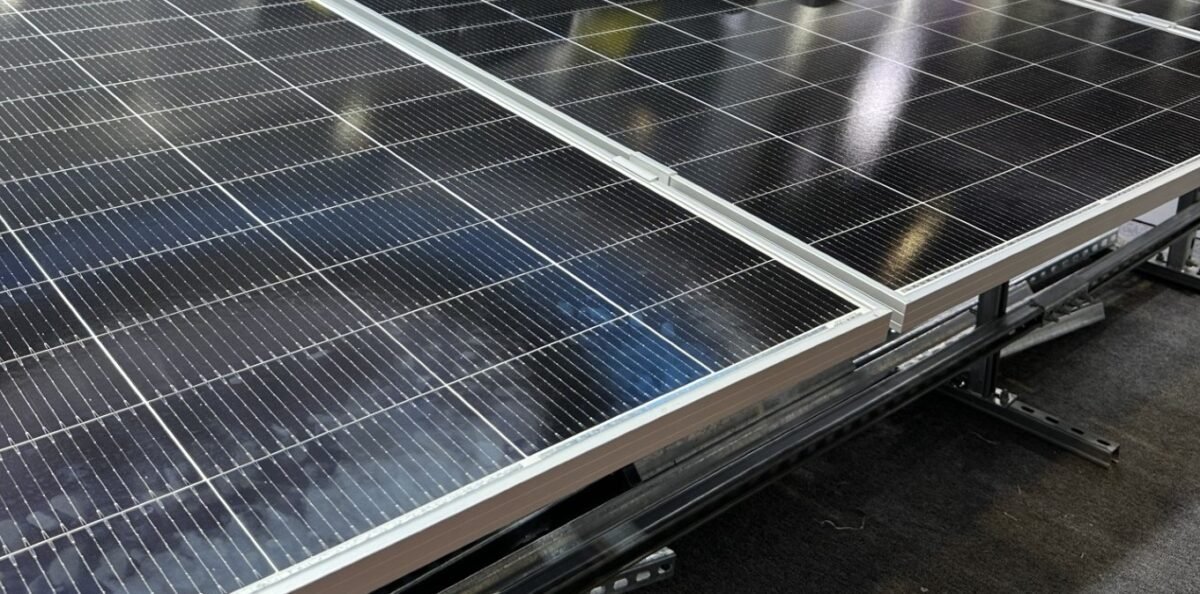
Cue the nervous laughter from installers. But fieldwork isn’t disappearing—it’s upgrading. AI-assisted drones (like those from DJI) now spotting microcracks in panels still need human interpreters. What changes? A crew that once took three days to inspect a 10MW farm might do it in three hours. That frees up labor for…well, the 200% growth in global solar deployment we’re seeing.
The Grid Parity Paradox
Solar’s already cheaper than fossil fuels in 80% of markets. So why all the fuss? Because grids weren’t built for renewables’ unpredictability. DEWA’s been testing IBM’s weather modeling to anticipate cloud cover shifts, smoothing out those jagged generation curves. For utilities, that’s the difference between brownouts and reliability.
This reminds me of California’s 2020 duck curve woes—too much solar, not enough flexibility. AI could flatten that duck into a…less problematic bird. Maybe a kiwi.
The Next Five Years: Your Inverter Will Talk Back
Fronius and Huawei already pack basic AI into their inverters. Future models might negotiate with the grid like stock traders—“I’ll sell this kWh now if you give me 2.3¢ more in twenty minutes.” For commercial systems, those micro-decisions compound fast.
Reliability isn’t a luxury—it’s non-negotiable. When Shell mentions using AI to predict transformer failures six months out, maintenance crews can breathe easier. Unless the algorithm names you as the weak link.
Final Thought: It’s About Data, Not Magic
The meeting’s takeaway? AI won’t replace solar fundamentals—it’ll make them hum. Those who master the data (not just the tech) will lead the charge. Now, if someone could just teach my office coffee machine this level of intelligence…