DEI Energizes Massachusetts with 7.1 MW Solar and Storage on Superfund Site
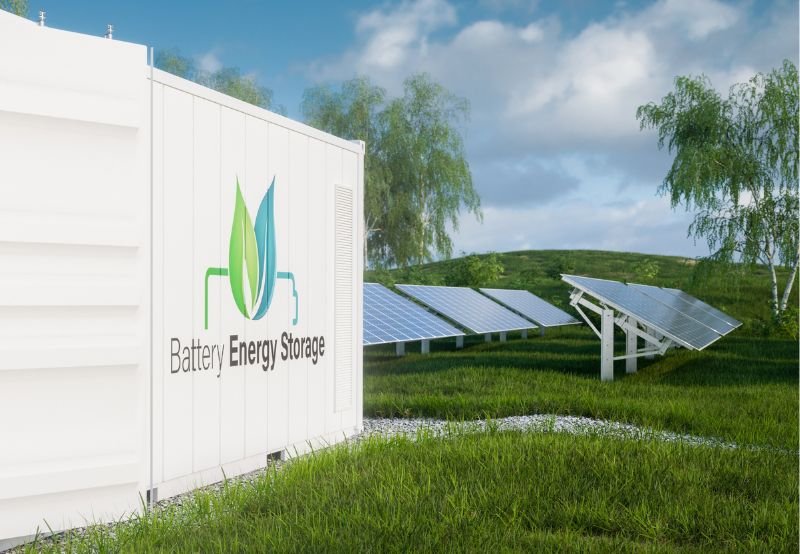
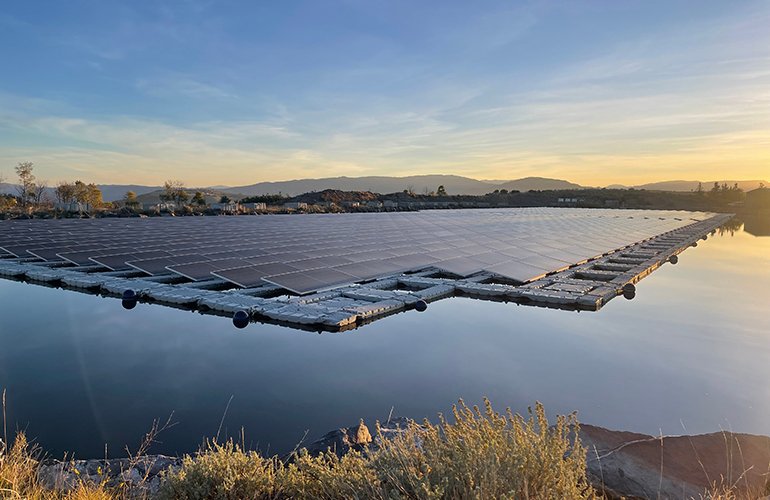
Distributed Energy Infrastructure (DEI) has successfully flipped the switch on a 7.1 MW solar farm paired with 4 MW of battery storage in Acton, Massachusetts. What makes this project special is its location on a former Superfund site, which was once written off as unusable. This innovative approach is a prime example of how solar energy can transform contaminated land into a source of clean power.
Revitalizing Contaminated Land with Solar Power
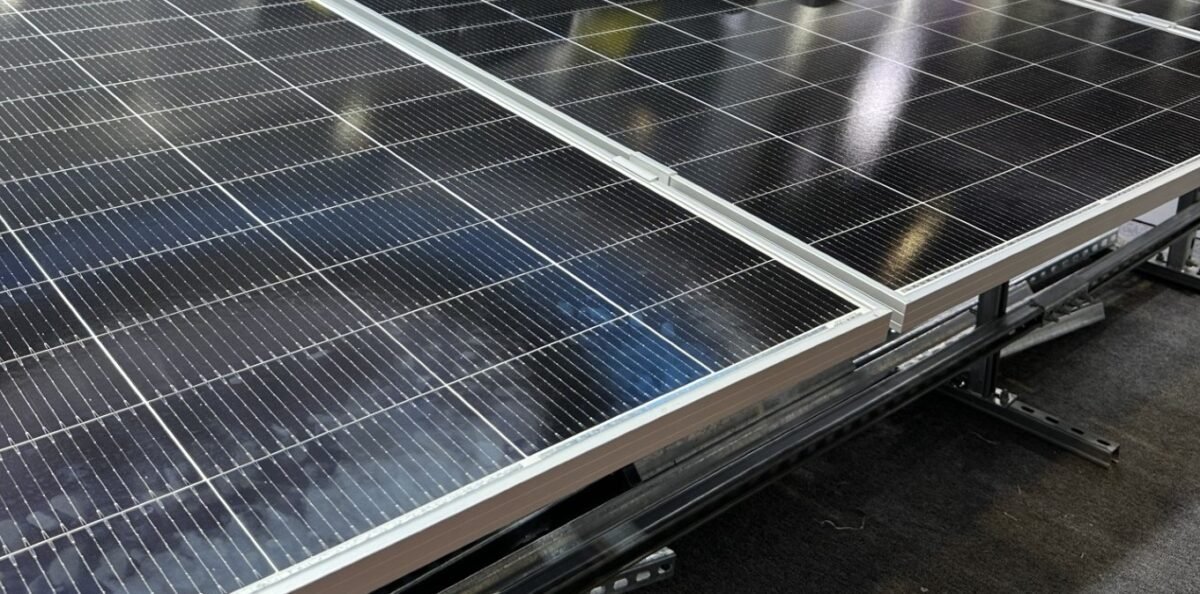
Solar projects on contaminated land, like the Canadian Solar EP Cube, are not new but are still rare enough to attract attention. This project powers 1,200 homes annually and keeps the grid stable with lithium-ion batteries, likely European-sourced residential batteries. Massachusetts’ SMART program made the numbers work with extra incentives for brownfield development.
Stabilizing the Grid with Battery Storage
Four megawatts of storage might seem modest compared to larger installations, but in New England’s congested grid, it’s significant. Batteries smooth out solar’s daytime peaks and fill evening demand gaps, addressing the issue of solar energy trading growth. This is especially important during times when electricity prices spike, showcasing the value of battery storage in stabilizing the grid.
Transforming Superfund Sites into Solar Farms
Critics of solar energy often argue that it consumes farmland. However, projects like DEI’s demonstrate the potential for repurposing degraded land instead. The EPA tracks over 1,300 Superfund sites nationally, and converting even 10% of those could significantly impact the solar power landscape. Massachusetts alone has 30+ eligible locations gathering dust, waiting for solar manufacturing growth initiatives to transform them.
Project Details and Implications
Details about the project’s specifics, such as the type of solar panels used (possibly