Defence Ministry Seeks Bids for 150 kW Solar Systems Near Leh
The Indian Defence Ministry has opened bidding for two solar power projects near Leh, each with a capacity of 150 kW. These high-altitude solar power projects in Leh for defence installations are part of the FY 2025-26 initiative, aiming to bolster energy security in remote military bases. Solar industry professionals should take note—this project highlights both the growing demand for renewable energy in defence and the unique challenges of extreme-condition installations.
Strategic Advantages of High-Altitude Solar Projects
At first glance, Leh’s harsh winters might seem like a dealbreaker for solar. But the region’s clear skies and intense sunlight for over 300 days a year more than compensate. The thin atmosphere at 3,500 meters allows solar panels to capture up to 20% more energy than at sea level—a natural efficiency booster that makes these installations particularly valuable for critical defence operations.
Key Technical Specifications
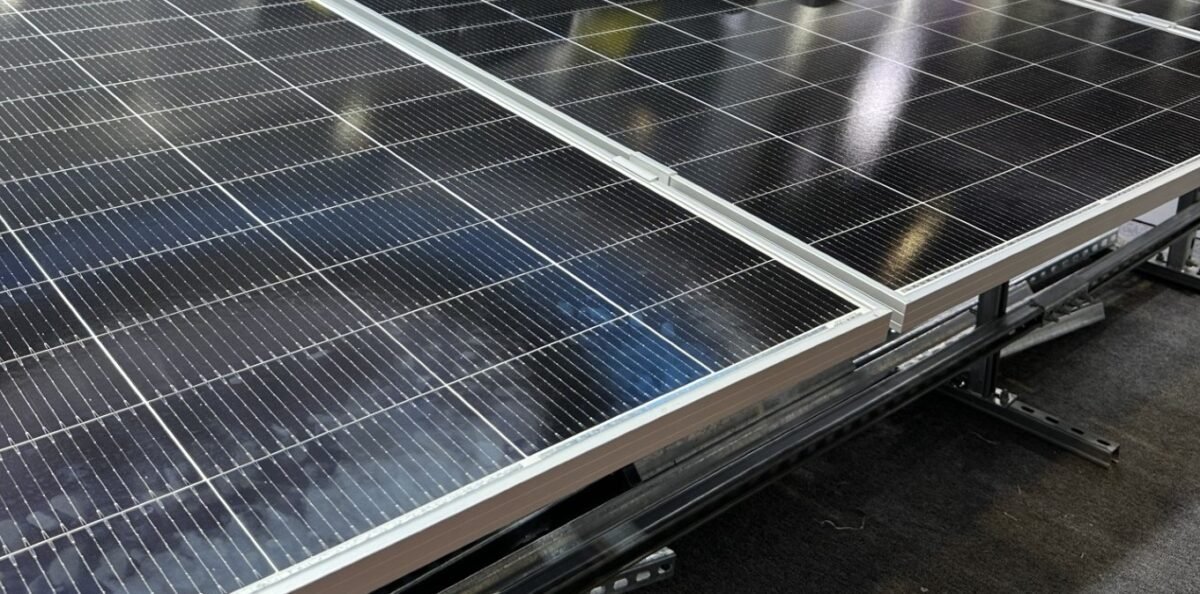
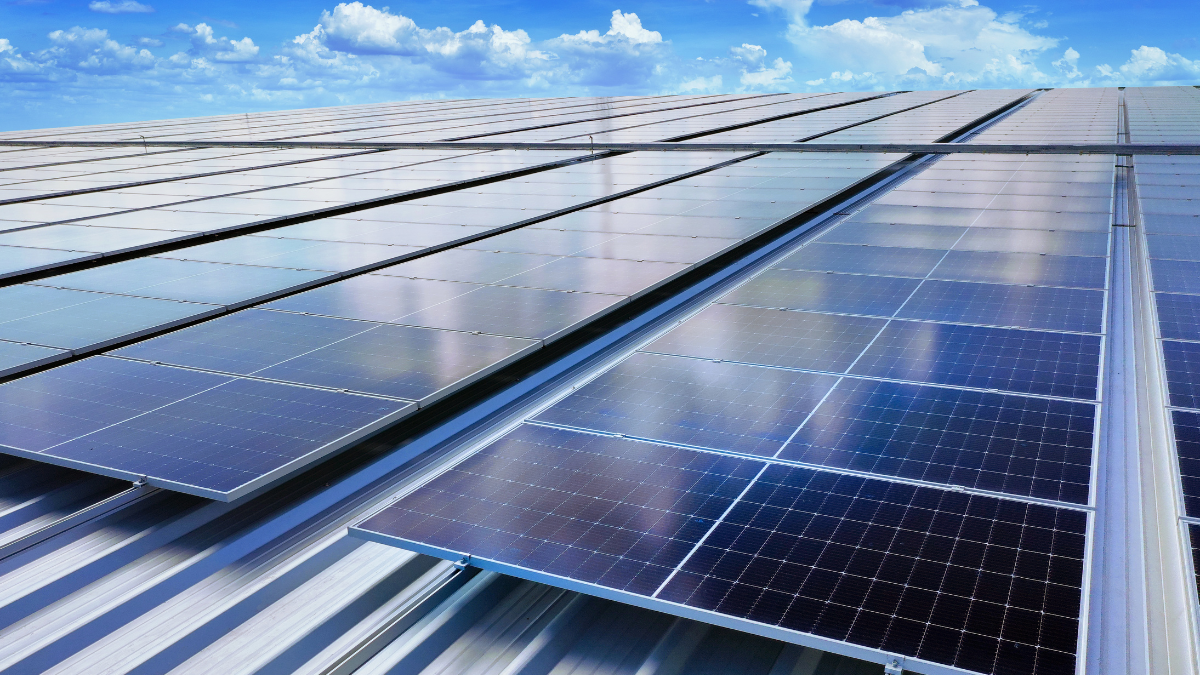
The tender calls for PV modules with a minimum 21% efficiency—likely monocrystalline given the space constraints. Inverters must handle extreme temperature swings from -30°C to 45°C, requiring rugged designs typically used in high-performance solar installations. Cold weather packages with anti-icing coatings will be mandatory for system durability.
Ensuring Military-Grade Reliability
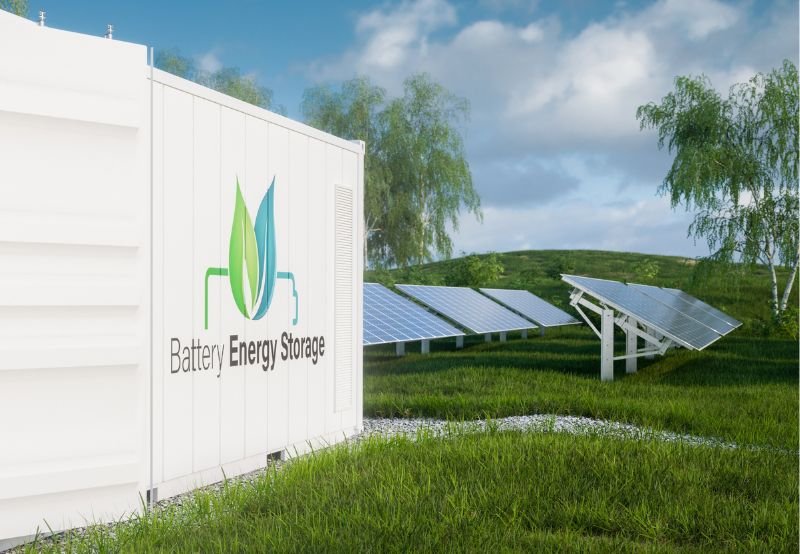
Military installations require fail-safe energy solutions. These systems will need dual redundancies—likely lithium-ion battery storage systems with remote monitoring capabilities. Strict maintenance protocols will be implemented to ensure continuous power availability for strategic operations in this remote Himalayan region.
Industry Implications and Future Potential
This project validates solar’s role in critical infrastructure while setting benchmarks for extreme-condition deployments. Successful execution could inspire similar solar energy solutions for fragile mountain regions across India’s northern borders.
Bidding Considerations
With fluctuating module prices, bidders must carefully manage procurement risks. The evaluation criteria reportedly emphasize lifecycle costs over upfront prices—a significant shift that favors systems with proven long-term performance in harsh environments.