Deendayal Port Tenders 1000 MW Solar Project in Gujarat
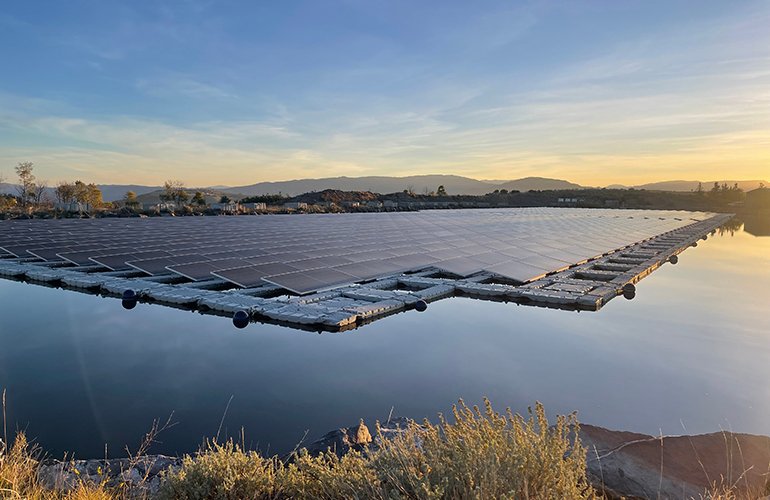
The Deendayal Port Authority has taken a massive leap toward India’s green energy goals by floating a tender for a 1,000 MW solar project. The project site, a coastal land parcel between Chirai and Jangi in Gujarat, presents both opportunities and challenges—think intertidal zones, marshy terrain, and Coastal Regulation Zone (CRZ) constraints.
Why This Solar Project Stands Out
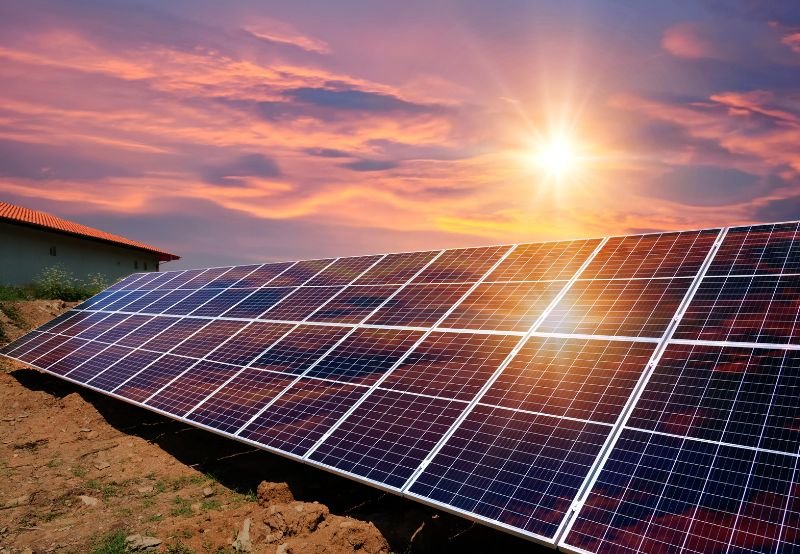
A gigawatt-scale solar plant is no small feat, but what makes this one special? Location, for starters. Coastal installations aren’t just about open spaces—they’re about optimizing land that’s otherwise tough to use. Marshy? Intertidal? That’s where engineering ingenuity comes in. And with Gujarat’s ample sunlight, the payoff could be huge. This project is a testament to India’s growing solar PV surge and clean energy revolution.
The Coastal Challenge: Marshes and CRZ Rules
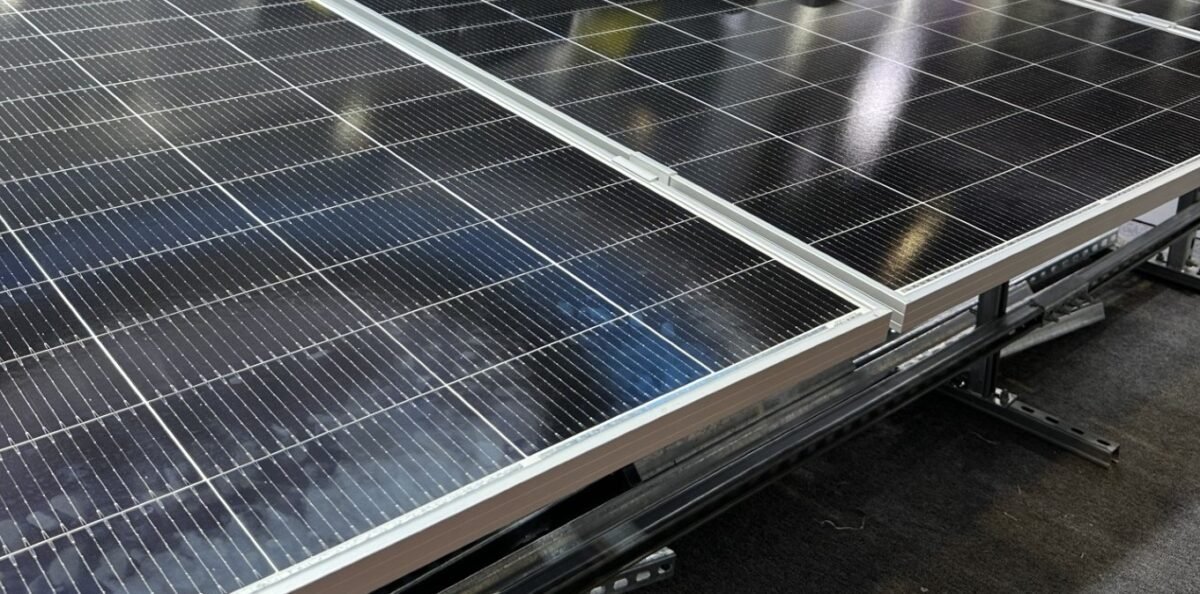
Building on intertidal land isn’t like slapping panels on a rooftop. You’ve got saltwater exposure, soil instability, and CRZ regulations to navigate. But here’s the twist: these hurdles might spur innovation. Think elevated structures, corrosion-resistant materials (hello, galvanized steel!), and careful environmental assessments. It’s a puzzle, but one that could set a precedent for future projects, especially with the use of high-efficiency solar panels.
The Bigger Picture: India’s Solar Ambitions
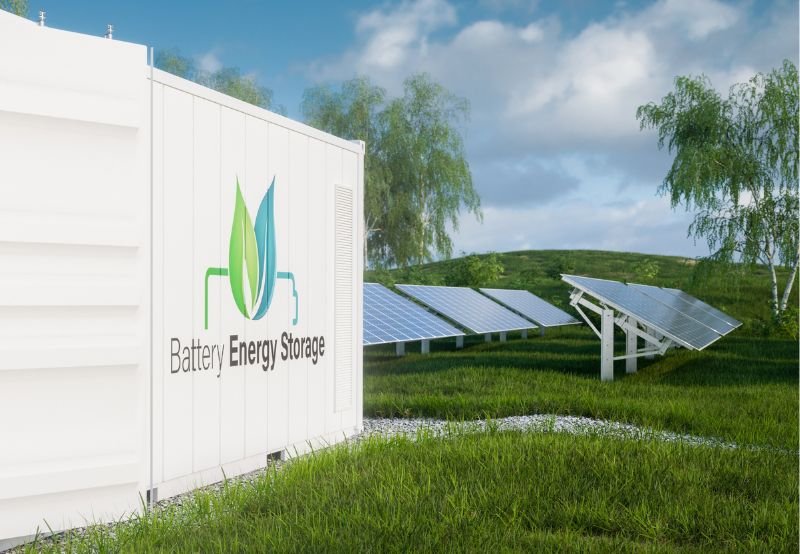
This tender isn’t just about 1,000 MW—it’s a stepping stone toward India’s 500 GW renewable target by 2030. Gujarat, already a solar leader with projects like the Raghanesda Solar Park, is doubling down. And with wafer-thin tariffs lately (remember the ₹1.99/kWh bid last year?), this project could push boundaries further, especially with the integration of solar energy storage solutions.
What’s in It for Developers?
Land acquisition? Handled. The port authority is offering a ready parcel, cutting down one major headache. But developers will need to crunch the numbers—those CRZ compliances and terrain adaptations won’t come cheap. Still, with PPA terms likely tied to Gujarat’s DISCOMs, the long-term math might just add up, especially with the use of advanced solar inverters.
Final Thoughts: A Litmus Test for Coastal Solar
If this project succeeds, it could open the floodgates for similar installations along India’s coastline. Yes, there are challenges, but as the old saying goes, “Where there’s sunlight, there’s a way.” Whether you’re an EPC player, an investor, or just a solar enthusiast, keep an eye on this one—it’s going to be a fascinating ride, especially with the growth of India’s renewable energy sector.