Costco Connecticut Boosts Sustainability with Solar and Storage
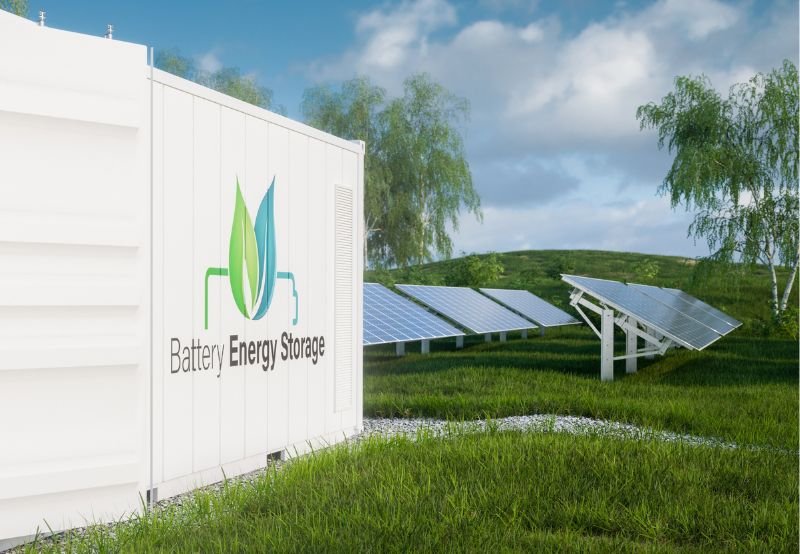
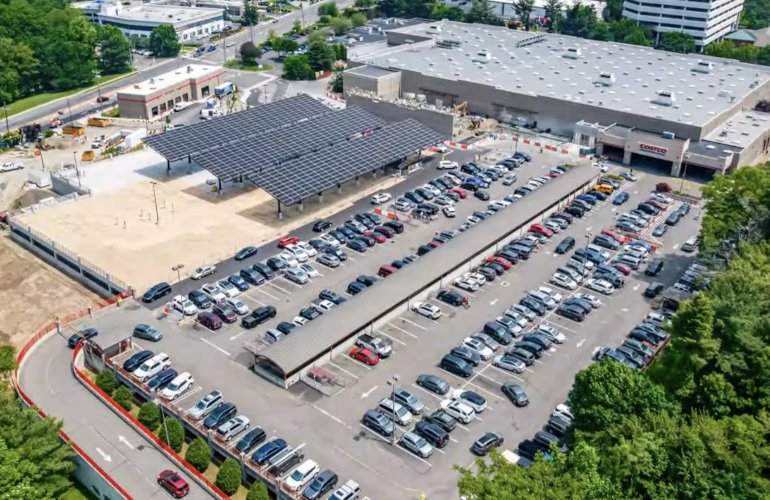
Trinity Energy has quietly made waves with its latest project—a solar + storage system installed at Costco’s Norwalk, Connecticut warehouse. While the exact size of the solar array remains under wraps, the microgrid’s daily output of 2 MWh is nothing to scoff at. Let’s unpack why this matters for commercial solar.
Why Solar + Storage Makes Sense for Big Box Retail
Big-box stores like Costco are energy hogs—HVAC, lighting, refrigeration—you name it. Pairing solar panels with battery storage isn’t just eco-friendly; it’s a buffer against demand charges and grid instability. Think of it like a financial airbag: when utility rates spike, stored solar energy kicks in. This is especially relevant for industrial rooftop solar applications.
The Numbers Game
2 MWh daily translates to roughly 730 MWh annually—enough to power 60+ homes for a year. Not bad for a single warehouse roof. But here’s the kicker: Connecticut’s high electricity rates (third-highest in the U.S.) make ROI timelines surprisingly sharp. This highlights the importance of industrial solar adoption in high-cost energy markets.
Batteries Aren’t Optional Anymore
Five years ago, storage was the cherry on top. Today? It’s the whole sundae. With net metering policies getting squeezed nationwide, storing surplus solar energy on-site is becoming the default play. Tesla Powerwalls might dominate headlines, but commercial projects like this often use larger-scale solutions like Fluence or LG Chem.
But What About Winter?
Connecticut isn’t exactly Arizona. Snow cover can dent solar production, but modern tilt systems shed snow faster than you’d think. Batteries pick up the slack by discharging during peak evening hours when the grid’s dirtiest—and most expensive. This is where hybrid solar systems shine.
The Ripple Effect
Costco’s move isn’t isolated. Walmart, IKEA, and Target have been doubling down on solar. Why? Because sustainability sells—literally. A 2023 Nielsen study found 66% of consumers prefer shopping at stores with renewable energy commitments. This trend is driving growth in India’s solar manufacturing sector as well.
Reliability isn’t a luxury—it’s non-negotiable. With microgrids, retailers keep lights on during outages while trimming operational costs. It’s a win-win that’s hard to ignore, especially for industrial rooftop solar savings.