China’s 2 GWh Battery Storage System in Xinjiang Redefines Renewable Energy Integration
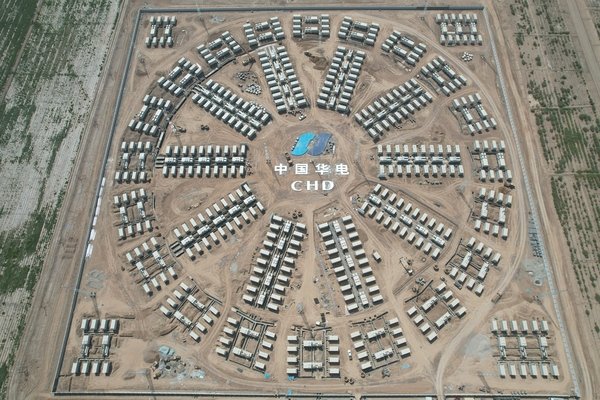
China has commissioned a groundbreaking 500 MW/2 GWh lithium iron phosphate (LFP) battery storage facility in Kashgar, Xinjiang, demonstrating how large-scale energy storage solutions can accelerate renewable adoption. This massive project addresses critical grid stability challenges while supporting Xinjiang’s solar power expansion.
Unprecedented Scale of Xinjiang Energy Storage
The initial phase spans 119,000 square meters with a CNY 1.6 billion ($222.9 million) investment. When completed, this China’s 2 GWh Battery Storage System will be among the world’s largest, capable of powering entire cities during extreme weather events.
Why LFP Dominates Utility-Scale Storage
This installation highlights key advantages of LFP battery technology:
- 40% cost reduction since 2022
- Superior thermal stability
- Extended lifespan in desert conditions
Innovative Grid Integration Architecture
The system combines cutting-edge technologies that complement renewable expansion strategies:
- Grid-forming inverters for independent operation
- Grid-following units for seamless synchronization
Implications for Solar Developers
With solar curtailment reaching 5% in neighboring Gansu, this project proves storage is vital for:
- Maximizing solar asset value
- Meeting nighttime energy demand
- Ensuring critical facility reliability
Blueprint for Global Renewable Integration
This 2 GWh system demonstrates how battery storage enables regions to balance renewable generation with grid stability. Its success could transform how nations approach large-scale clean energy storage in harsh environments.