Chhattisgarh DISCOM Launches 380 MW/760 MWh Battery Storage Tender
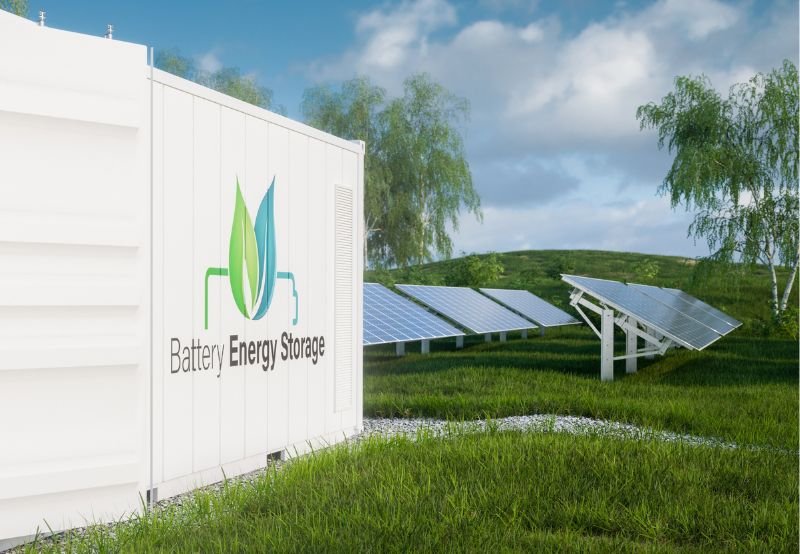
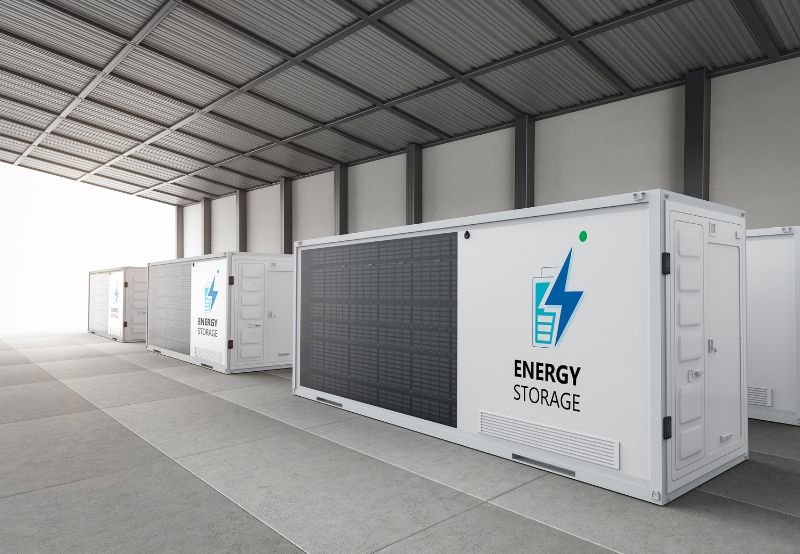
The Chhattisgarh State Power Distribution Company (CSPDCL) has taken a major step in energy infrastructure by inviting bids for 380 MW/760 MWh of standalone battery energy storage systems (BESS). This landmark tender positions Chhattisgarh at the forefront of India’s renewable energy transition, especially for solar professionals eyeing emerging storage opportunities.
Why This Solar-Storage Project Matters
Large-scale battery storage fundamentally transforms solar energy economics. Where solar panels previously generated power only during daylight, BESS projects like this 760 MWh system enable round-the-clock clean energy dispatch. The CSPDCL initiative could become a blueprint for other states grappling with intermittent renewable generation.
Technical Specifications Overview
The system’s 2-hour discharge duration (380MW/760MWh) indicates a grid stability focus, likely using lithium-ion technology with fire suppression systems mirroring recent BESS installations in Andhra Pradesh. At full capacity, the storage could power approximately 50,000 homes for 4 hours during outages.
Economic Tradeoffs and Value Proposition
While the ₹3,000+ crore price tag seems steep, BESS paired with solar farms can improve ROI by 18% over a decade by reducing curtailment losses. New LFP battery chemistries also extend system lifespans beyond traditional 10-15 year replacement cycles.
Industrial and Manufacturing Impact
This tender could stimulate local manufacturing near Raipur or Bilaspur, building on expansions by battery makers like Exide. For solar EPC firms, storage integration is becoming as essential as inverters, creating new revenue streams in India’s booming solar manufacturing sector.
Project Timeline and Requirements
With bids closing September 15, 2023, successful bidders must meet stringent IEC-certified equipment standards and 5,000+ cycle durability at 80% depth of discharge. Global leaders like Fluence may compete with Indian startups in this high-stakes procurement.
As solar tariffs stabilize near ₹2.53/kWh, such storage projects help DISCOMs manage peak loads without expensive thermal backups, cementing batteries as central to India’s renewable energy growth rather than ancillary solutions.