Bila Solar Secures 10-MW Deal for U.S.-Made Panels Ahead of Tax Deadline
Indianapolis-based Bila Solar just landed a 10-MW order for its 550 W dual-glass solar panels, a move timed to secure tax incentives before the federal deadline. The panels, built with U.S.-manufactured solar cells, will power a community solar project by year’s end. Here’s why this deal is turning heads—and what it means for the industry.
Why the Rush? Tax Incentives and Timing
Solar developers are racing to qualify for the Investment Tax Credit (ITC), which drops from 30% to 26% next year. Bila’s client isn’t taking chances—locking in supply now guarantees eligibility. “Safe-harboring” panels (procuring equipment before deadlines) is a common tactic, but Bila’s U.S.-made cells add extra appeal. Projects using domestic materials can claim bonus credits under the Inflation Reduction Act.
Bila’s 550 W Dual-Glass Panels: Built for Tough Jobs
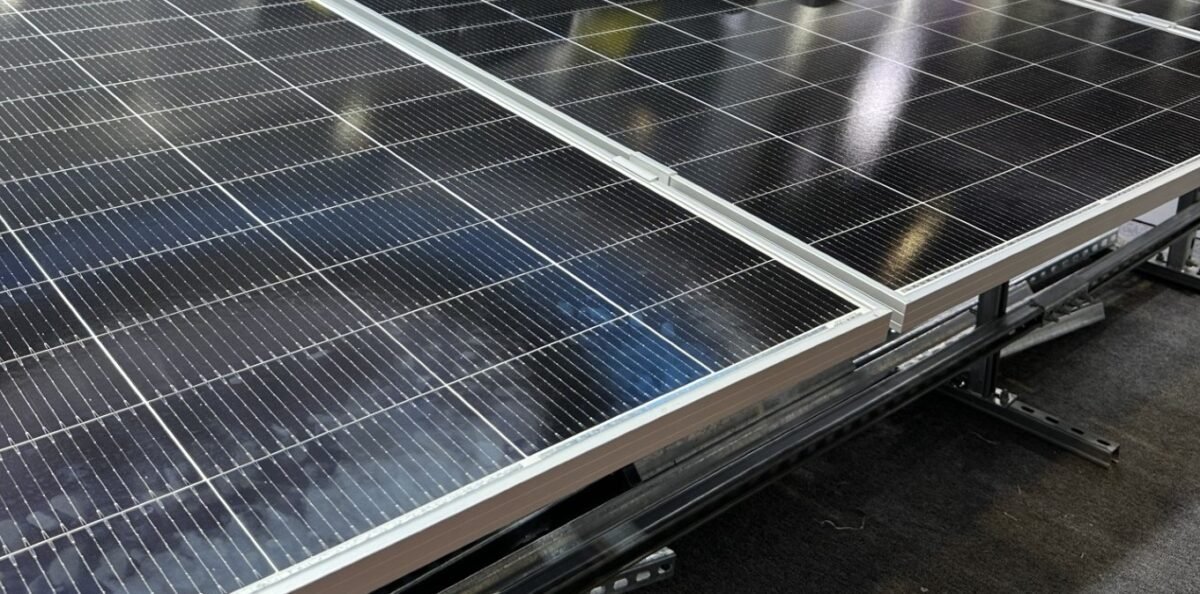
These aren’t your grandma’s solar panels. The dual-glass design boosts durability against hail and humidity, a selling point for community solar farms in harsh climates. At 550 W, they pack more punch per square foot than standard modules—critical for space-constrained sites. Funny enough, the glass-on-glass construction weighs less than aluminum-framed rivals, cutting shipping costs.
Community Solar’s Quiet Revolution
While rooftop solar grabs headlines, community projects are the unsung heroes of renewable access. They let renters and low-income households “subscribe” to shared arrays. Bila’s deal hints at soaring demand: analysts predict 4.5 GW of U.S. community solar by 2026. But scaling up isn’t easy. Interconnection delays and land shortages plague developers—which is why efficient panels like Bila’s matter.
U.S.-Made Solar: Rising or Just Hype?
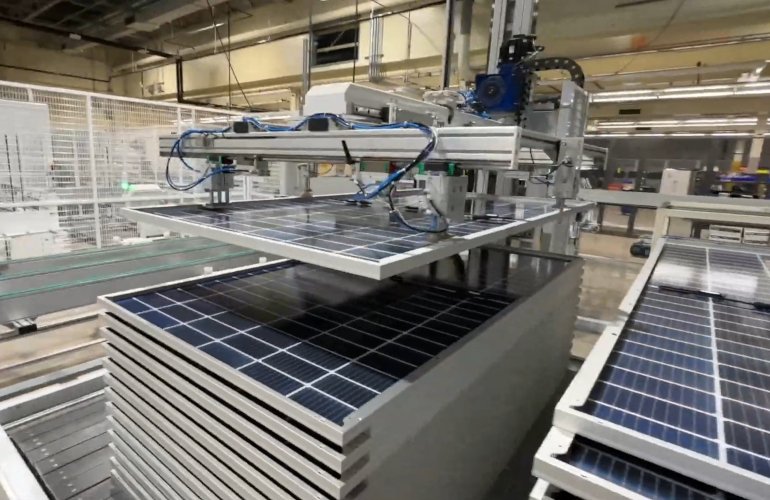
Solar panels from China dominate 80% of the global market. But with tariffs and incentives favoring local production, companies like Bila and First Solar are betting big on American manufacturing. There’s a catch: U.S.-made panels cost 10–15% more. Yet for developers chasing tax credits, the math works out. “Made in USA” also dodges supply-chain risks—remember those pandemic port jams?
What’s Next for Bila—and the Industry?
This 10-MW order is a drop in the bucket compared to gigawatt-scale deals. Still, it signals a shift toward high-wattage, resilient panels for commercial projects. Watch for more manufacturers to emphasize durability over sheer wattage alone. And if the ITC drops as planned, we’ll see a gold rush of safe-harboring deals this fall.