Avangrid’s Texas Solar Project Hits Milestone with 200K Modules
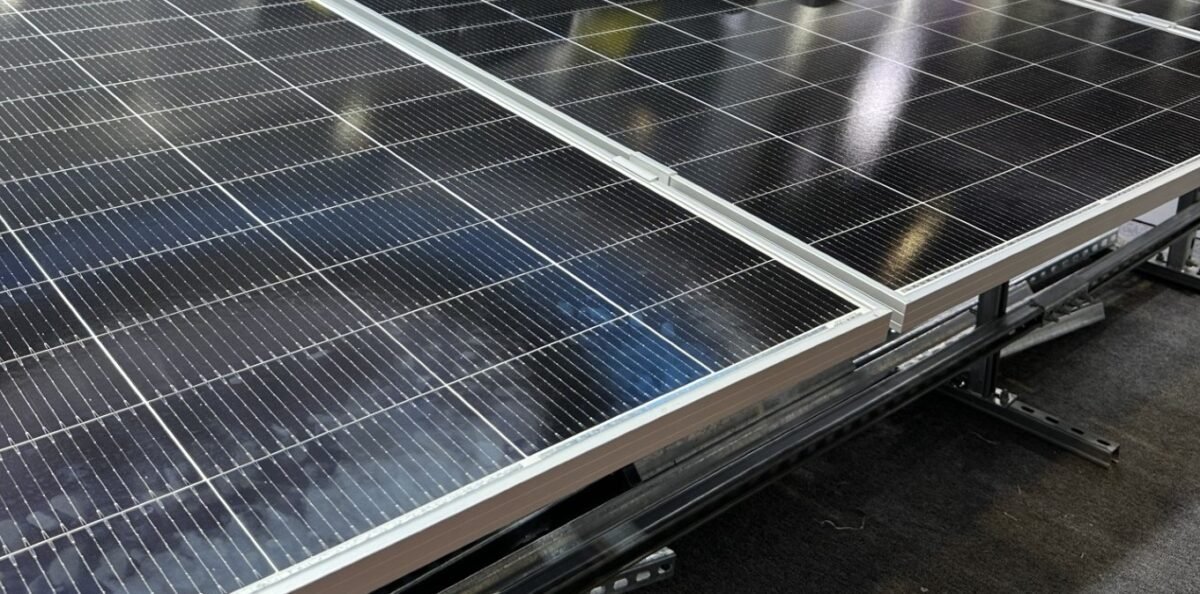
Avangrid, the U.S. arm of Iberdrola Group, has crossed a significant milestone in its Tower Solar Project. Over 200,000 solar panels, manufactured by SEG Solar at their Houston facility, are now assembled and ready to power up. This isn’t just another project—it’s a glimpse into how American solar manufacturing is stepping up its game.
Why Texas? The Unlikely Solar Hub
When you think of Texas, oil rigs might come to mind before solar farms. But the Lone Star State is quietly becoming a renewable energy powerhouse. With ample land, sunny skies, and a business-friendly environment, it’s no surprise that Avangrid chose Houston for this venture. The local workforce gets a boost too—these panels didn’t assemble themselves!
The SEG Solar Factor: Made in the USA
SEG Solar’s Houston facility is a key player here. Their high-efficiency modules are designed to withstand Texas’s famous heat, ensuring longevity even when the mercury spikes. Remember when people doubted U.S. solar manufacturing? Projects like this are proving them wrong, one panel at a time.
But What About Grid Integration?
Here’s where it gets tricky. Adding 200,000 panels to the grid isn’t as simple as plugging in a toaster. Avangrid’s partnership with local utilities ensures smooth integration, but challenges like intermittency remain. Batteries—maybe even Tesla Powerwalls—could be part of the solution down the line.
The Numbers That Matter
Let’s break it down: 200,000 panels can power roughly 20,000 homes annually. That’s a small city’s worth of electricity, all from sunlight. And with federal tax credits still in play, the economics make sense for developers and consumers alike.
Looking Ahead: What’s Next for Avangrid?
This project is just one piece of Avangrid’s larger U.S. portfolio. With similar ventures in the pipeline, they’re betting big on solar. Will other states follow Texas’s lead? Only time will tell, but the momentum is undeniable.
One thing’s clear: When solar panels roll off a local production line instead of arriving via cargo ship, everyone wins. Jobs stay home, emissions drop, and the grid gets cleaner. Not bad for a day’s work under the Texas sun.