APERC Revises Open Access Rules to Boost Solar Adoption in Andhra
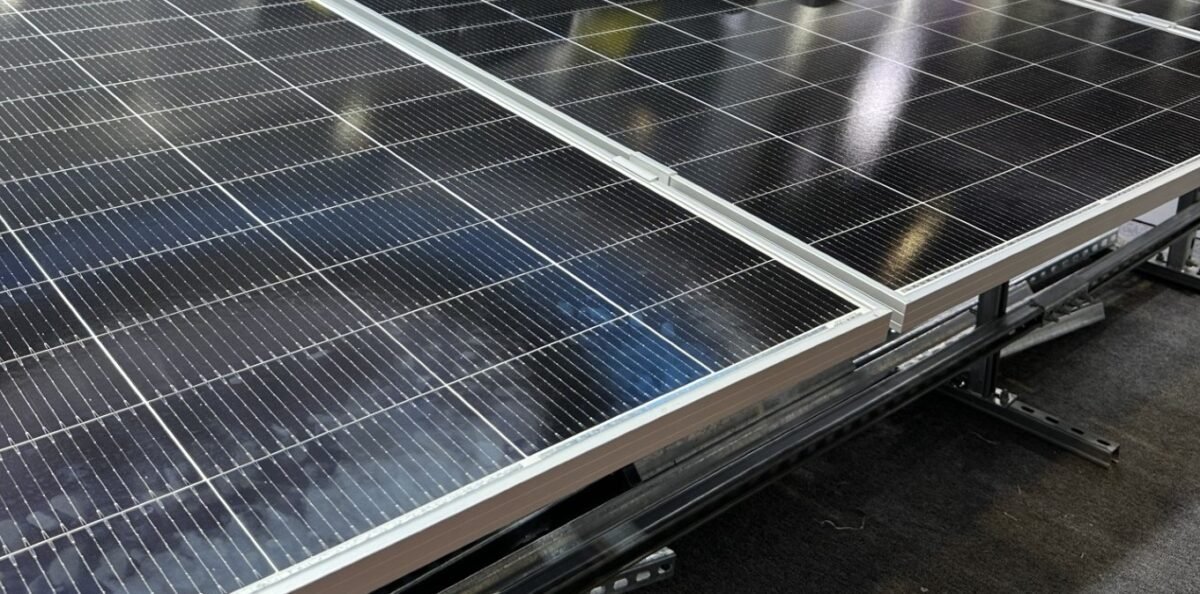
The Andhra Pradesh Electricity Regulatory Commission (APERC) has revised the Second Amendment to the Open Access Regulation 2005, a game-changer for solar developers and industrial consumers. This change could cut through red tape like a hot knife through butter, enabling smoother adoption of solar energy in the region.
Why This Amendment Matters Now
Andhra Pradesh has significant photovoltaic (PV) potential. However, open access charges and procedural delays were making investors jittery. The revised amendment might have changed their calculus, paving the way for increased investments in the solar sector.
The state’s focus on renewable energy is evident from the innovative solar programs being implemented. For instance, one such program focuses on industrial rooftop solar savings through sustainable practices.
The Nitty-Gritty: What’s Changing?
Open access charges are getting streamlined, reducing nasty surprises for solar park developers. Banking charges have been reduced by 30%. Wheeling charges now have a transparent formula, providing much-needed stability. Additionally, solar projects can now utilize energy storage solutions, enabling a more efficient and reliable supply of renewable energy.
Industrial Consumers: Your Move
Industrial units can benefit significantly from solar energy adoption, taking advantage of the revised banking provisions to store surplus solar energy. This could enable them to break even faster on their investments in solar systems, making the technology more attractive to businesses in the region.
The solar industry has seen improvements in technology, making energy storage more accessible and efficient. Solutions like a 26650 low-temperature backup battery can provide reliable power backup for solar systems, addressing concerns over energy storage and grid stability.
The Grid Stability Factor
Some engineers are concerned that intermittent solar power might stress the grid. However, the amendment mandates the deployment of smart meters for open access consumers, which can improve load forecasting and grid management.
Smart energy storage solutions can also contribute to grid stability. Innovative products such as Canadian Solar’s EP Cube, which won the 2025 Red Dot Design Award, are enhancing the efficiency and reliability of solar systems.
The Road Ahead: Challenges Remain
Land acquisition for solar parks near substations remains a challenge. Environmental clearances for projects like floating solar on the Krishna River take longer than anticipated. However, with regulatory tailwinds, Andhra Pradesh could leapfrog other states like Karnataka in commercial solar adoption, provided implementation doesn’t get stuck in endless committee meetings.
The importance of efficient and sustainable energy storage solutions cannot be overstated. As the demand for solar energy continues to grow, innovations such as solar panel recycling in Mexico and high-efficiency solar panels are crucial for the sector’s future growth and sustainability.