Andhra Pradesh BESS Rules Transform Solar Grid Stability
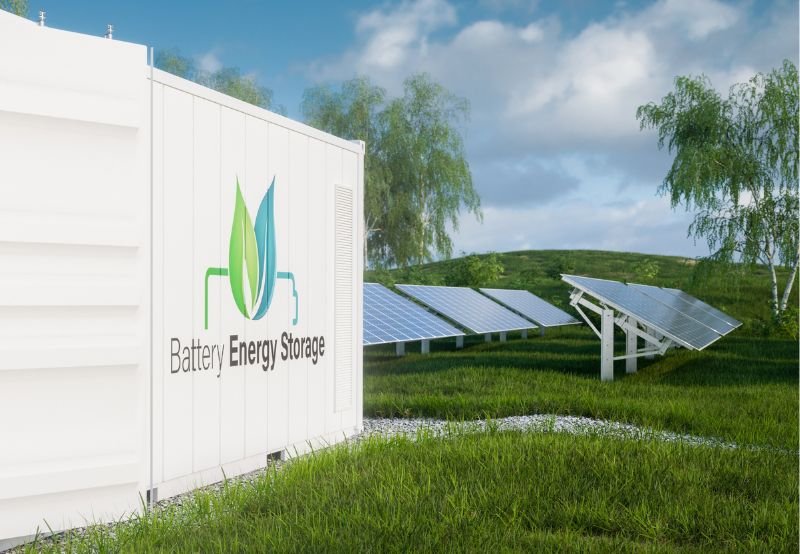
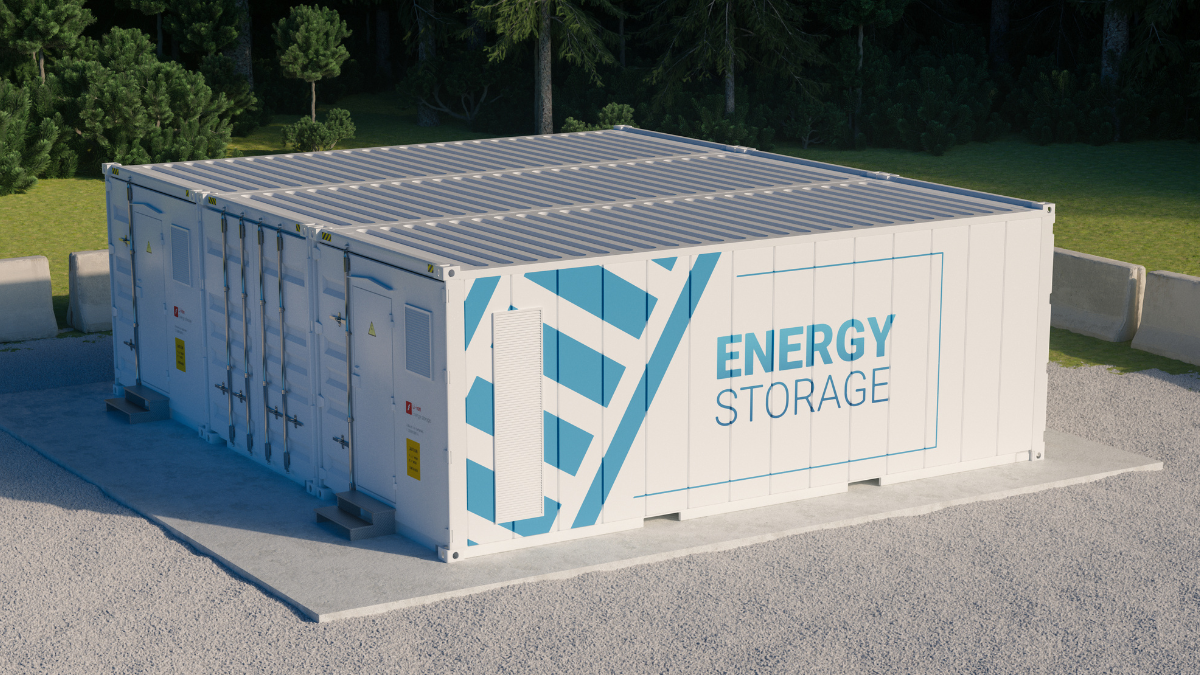
The Andhra Pradesh Electricity Regulatory Commission (APERC) has introduced groundbreaking Battery Energy Storage Systems (BESS) regulations to address solar grid stability challenges. This strategic move positions the state as a leader in India’s renewable energy transition.
Why BESS is Critical for Andhra’s Solar Expansion
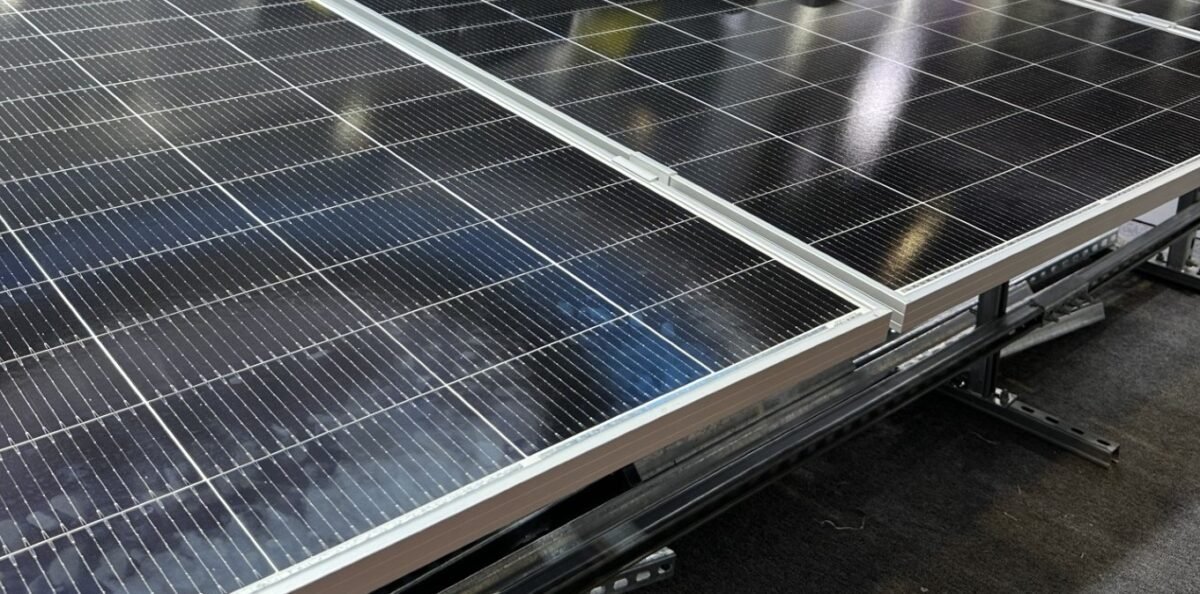
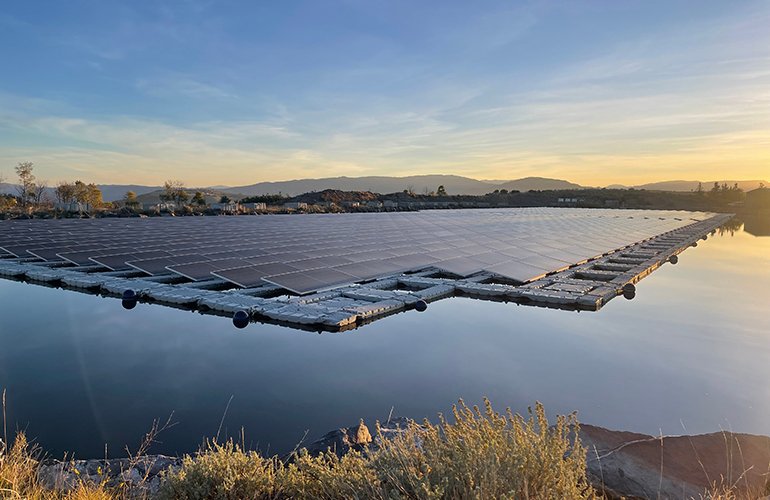
With widespread adoption of solar panels across farms and rooftops, the state faces power intermittency issues during cloudy periods or demand spikes. The new policy mandates energy storage for projects above 5MW – creating a “power bank” system that prevents clean energy wastage.
Key Policy Highlights
- 10% BESS integration requirement (100MW solar = 10MW storage)
- Time-of-day pricing incentives
- Grid stability provisions for renewable integration
Cost-Benefit Analysis of Energy Storage
While adding 15-20% upfront costs, BESS reduces the 15% solar energy currently lost to grid instability. Projects pay back in 6-8 years according to global benchmarks from successful implementations.
Learning from Karnataka’s Storage Revolution
Following Karnataka’s 2022 mandate, Andhra’s approach could make it India’s next 24/7 renewable hub. The state is particularly focused on agri-solar hybrid models that maximize land use efficiency.
Opportunities for Solar Developers
The policy spurs demand for:
- Advanced storage solutions from global leaders
- Hybrid solar-wind-BESS projects
- Innovative financing models for energy storage
With these regulations, Andhra Pradesh sets a benchmark for integrating large-scale battery storage with renewable energy systems, creating new opportunities across the solar value chain.