ACME Solar Secures SBI Funding for 400 MW Solar Project
In a major boost to India’s renewable energy sector, ACME Solar has secured ₹3,892 crore in funding from the State Bank of India (SBI) for its 400 MW FDRE project. This isn’t just another solar initiative—it’s a game-changer for grid-scale renewable energy in the country.
Why This Funding Matters for India’s Solar Ambitions
Let’s face it: large-scale solar projects need serious capital. The ₹3,892 crore infusion demonstrates institutional confidence in ACME’s capabilities and India’s solar potential. For context, this could power about 800,000 homes annually when operational.
The Technical Nitty-Gritty
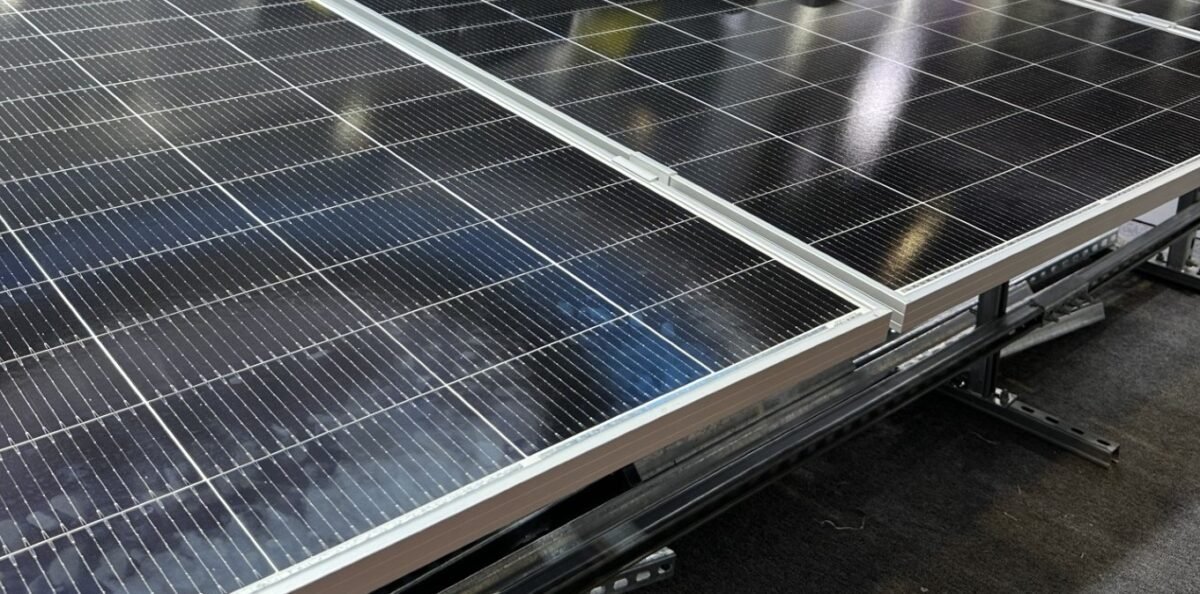
ACME Venus Urja (the project arm) will deploy bifacial solar panels across 2,000 acres. These dual-sided panels capture sunlight from both surfaces—increasing yield by 15-20% compared to conventional modules. The project will use ABB string inverters and implement automated cleaning robots to maintain peak efficiency.
Wait—What’s an FDRE Project Anyway?
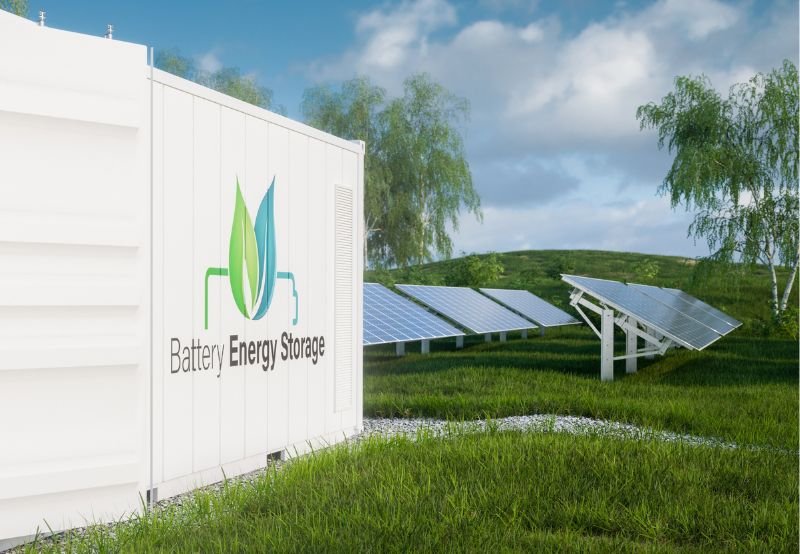
FDRE stands for ‘Flexible Dispatchable Renewable Energy’, a relatively new concept in India. Unlike standard solar farms that feed power continuously, FDRE systems integrate battery storage (like Tesla Megapacks) to supply electricity on demand. This helps balance grid fluctuations—something state DISCOMs desperately need.
Debt Financing vs. The Equity Route
Most developers chase equity investors, but ACME’s debt-based approach with SBI is telling. It suggests:
- Strong project economics with predictable cash flows
- Lower risk perception from India’s largest bank
- Possibly better interest rates than market averages
This reminds me of Adani’s early deals with PFC—once criticized, now considered visionary.
Challenges Nobody Talks About
Land acquisition remains the elephant in the room. A 400 MW project requires nearly 2,000 acres—that’s 2,000 farmer negotiations, potential litigation risks, and infrastructure hurdles. ACME’s previous projects in Rajasthan suggest they’ve cracked this code, but scaling up won’t be easy.
Then there’s the monsoon factor. While solar panels work in rains, dust accumulation can slash output by 30%. The cleaning robots better be worth their salt.
The Bigger Picture for Solar Professionals
Projects like this validate three trends:
- Domestic lenders are warming up to renewables—no longer just chasing thermal power
- O&M contracts will boom (think 100+ jobs for local technicians)
- FDRE tech could make solar more lucrative than coal plants within this decade
Sure, rooftop solar gets more headlines. But grid-scale projects quietly do the heavy lifting for India’s 500 GW renewable target.
What This Means for Your Business
If you’re an EPC contractor, track ACME’s vendor selections. Their past projects favored Sterling and Wilson for balance-of-system works. Component suppliers should note the bifacial panel choice—it’s becoming the industry standard for such large installations.
And for policymakers? This proves the feasibility of bank-backed solar. Maybe it’s time to revisit those restrictive lending norms for smaller developers.
The glow from this deal will shine far beyond ACME’s solar panels. India’s energy transition just got a ₹3,892 crore vote of confidence.