ACME Solar Secures ₹39 Billion SBI Loan for 400 MW Rajasthan FDRE Project
Big news in the solar sector – ACME Venus Urja, a subsidiary of ACME Solar Holdings, has bagged a whopping ₹38.92 billion loan from the State Bank of India (SBI) to fuel a 400 MW firm and dispatchable renewable energy (FDRE) project in Barmer, Rajasthan.
Understanding FDRE and its Advantages
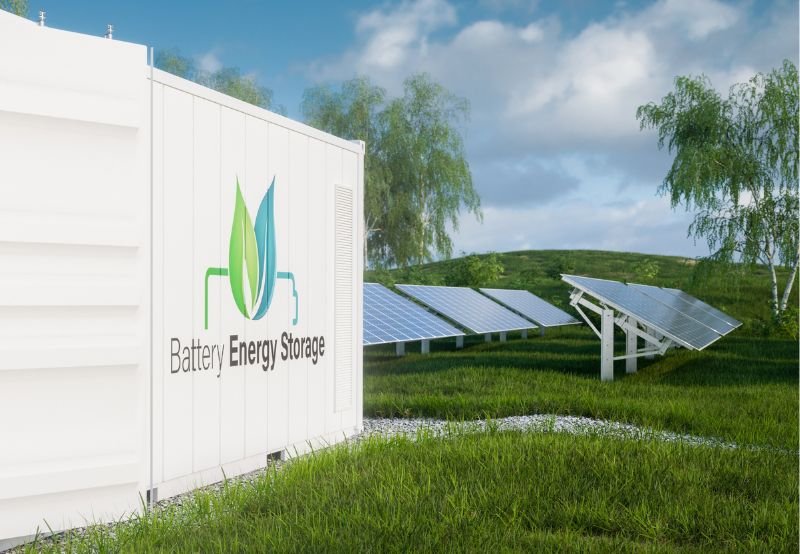
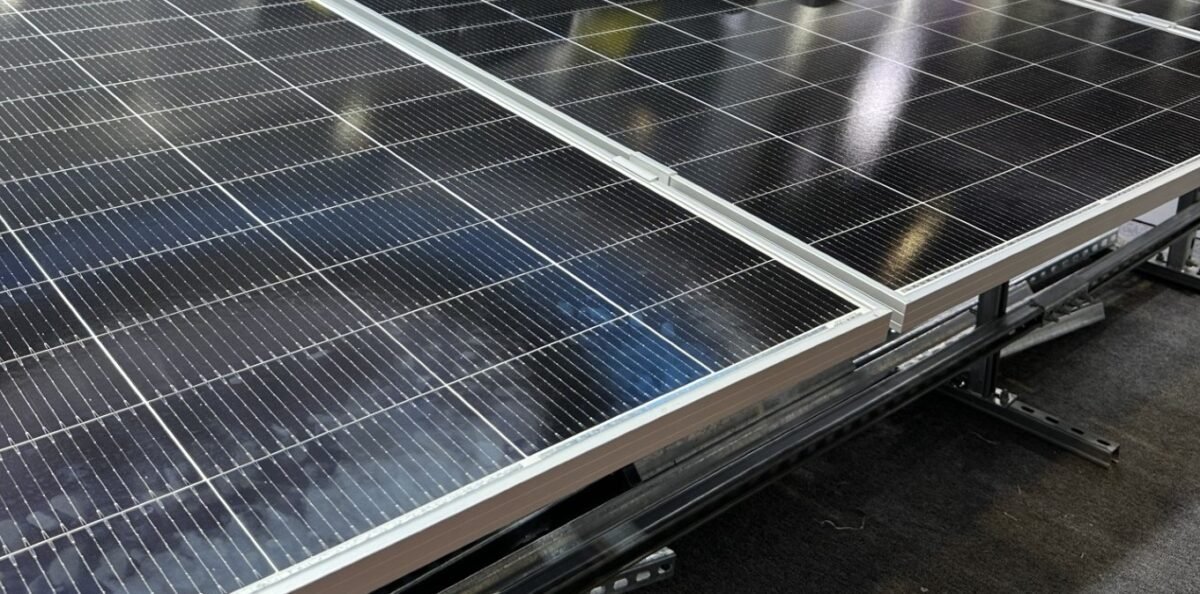
Unlike traditional solar setups, FDRE guarantees power availability even when the sun isn’t shining. Think of it as solar with a backup promise—critical for grid stability. This innovative technology is being pioneered by companies like JinkoSolar, which recently launched the Tiger Neo 3.0 series, boasting improved power generation and lower carbon emissions.
Advantages of FDRE
- Guaranteed power availability
- Critical for grid stability
- Pioneered by innovative companies like JinkoSolar
Breaking Down the Deal
₹39 billion over 19 years breaks down to roughly ₹2.05 billion annually—a manageable sum given India’s ₹6/kWh average solar tariff. This demonstrates the economic viability of solar energy, especially when paired with innovative technologies like Sungrow’s advanced home battery solutions.
Rajasthan’s Solar Potential
Why Barmer? Rajasthan leads India with 18+ GW solar capacity, thanks to its desert real estate and state incentives. The region’s grid infrastructure is already solar-friendly, avoiding the “curtailment” headaches seen in other states. In fact, Waaree Renewable Technologies recently landed a 300 MW solar project in Rajasthan, further solidifying the state’s position as a leader in India’s solar revolution.
Challenges and Opportunities
Sandstorms degrading panels? ACME’s probably opting for anti-soiling coatings. Land acquisition delays? They’ve likely secured parcels via Rajasthan’s plug-and-play model. Still, FDRE tech isn’t cheap—batteries add ~20% to costs. However, with companies like Recurrent Energy securing $260M financing for a Kentucky solar farm, it’s clear that investors are willing to support innovative solar projects.
A Bright Future for India’s Solar Industry
This deal proves financiers now see renewables as low-risk. Remember 2015 when banks hesitated on solar loans? How times change. With FDRE, ACME’s tackling solar’s Achilles’ heel: intermittency. If successful, expect more hybrids—solar-wind-battery—across India, driving the country towards a sustainable energy future.