220-MW Eastern Cottontail Solar Project Greenlit in Ohio
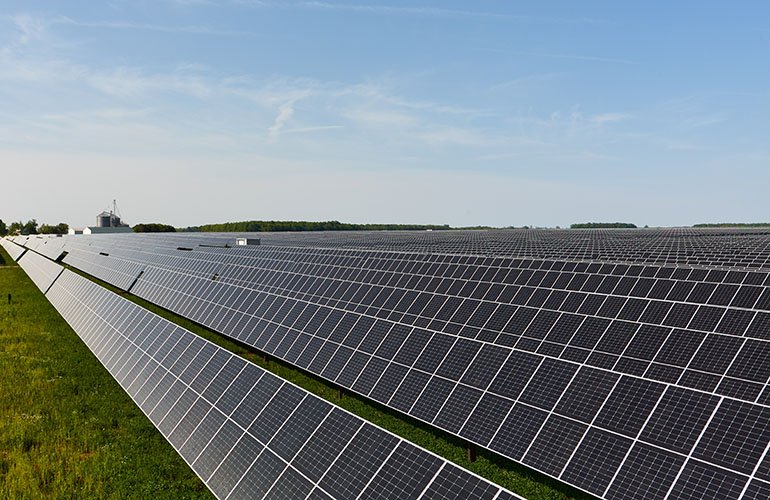
The Ohio Power Siting Board (OPSB) has given the green light to the 220-MW Eastern Cottontail Solar Project, a major win for renewable energy in Fairfield County. Developed by EDF Power Solutions, this project isn’t just another solar farm—it’s a carefully planned endeavor with a Certificate of Environmental Compatibility and Public Need. So, what does this mean for Ohio’s energy landscape? Let’s break it down.
Why This Project Matters
Ohio isn’t the first state you’d associate with solar dominance—wind and natural gas have historically ruled here. Yet, the Eastern Cottontail project signals a shift. With 220 MW of capacity, it’ll generate enough electricity to power roughly 40,000 homes annually. That’s not small potatoes for a region still warming up to utility-scale solar.
The Location Advantage
Walnut Township in Fairfield County might seem like an odd pick, but it’s got the right mix of open space and grid access. The area’s flat terrain reduces installation headaches, and existing transmission infrastructure cuts down on costly upgrades. EDF didn’t just throw a dart at a map.
But What About the NIMBY Factor?
Solar projects often face backlash—ask anyone who’s tried to build in New England. Yet OPSB’s approval suggests EDF cleared the usual hurdles: land use concerns, visual impact, and even the quirky local worry about displacing actual cottontail rabbits (hence the project name). Their environmental cert indicates mitigation plans are solid, from wildlife corridors to stormwater management.
Tech Specs for the Curious
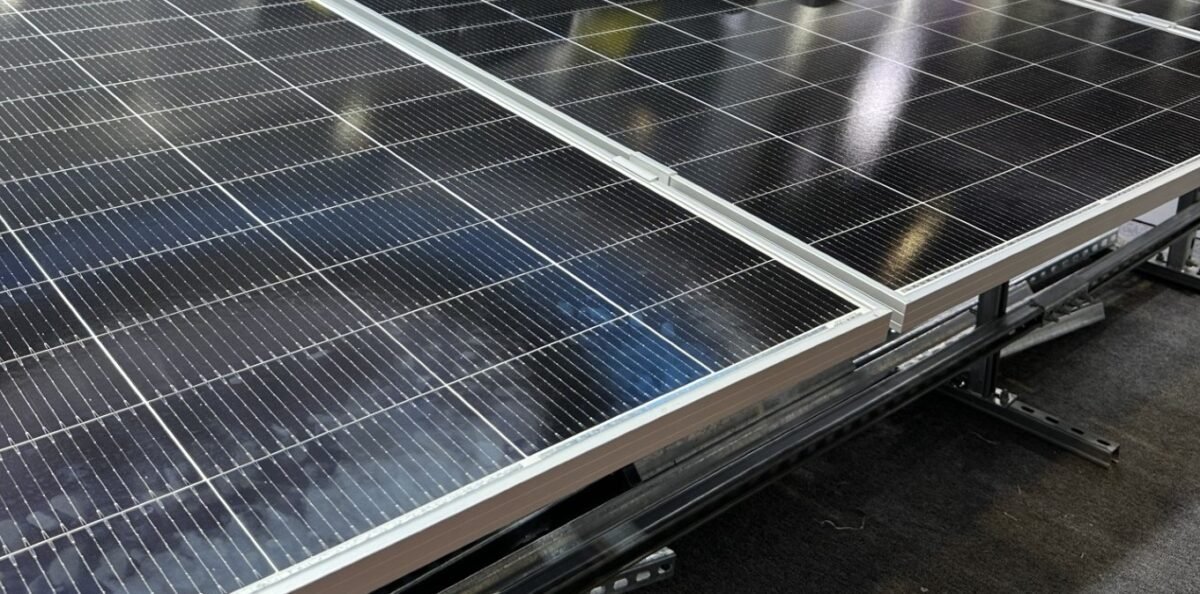
While EDF hasn’t published panel specifics, expect Tier-1 monocrystalline modules—possibly from LONGi or JinkoSolar—paired with Fronius or SMA inverters. The design likely avoids fixed-tilt for single-axis tracking, squeezing out extra kWh during Ohio’s shorter winter days. Battery storage? Not yet, but the interconnect studies probably left room for future Tesla Megapacks.
The ROI Question
Solar seems expensive upfront… until you crunch the numbers. At current PPA rates (around $30/MWh in PJM), this project could pay back in under a decade. Factor in federal tax credits and accelerated depreciation, and the economics get even rosier. For EDF, it’s less about immediate profits and more about staking claim in a market on the cusp of grid parity.
What’s Next?
Construction starts within months, with full operation expected by late 2026. Watch for subcontractor bids—local labor will handle much of the groundwork. And if you’re eyeing similar projects, Ohio’s revised setback laws (Senate Bill 52) now let counties restrict solar zones, so tread carefully.
This reminds me of California’s 2020 solar boom, where mid-sized projects like this became the norm. Ohio’s no sunshine state, but with smarter designs and stubbornly low costs, solar’s here to stay—rabbits or not.