U.S. Solar Boom Demands Resilient Supply Chain Strategies
The U.S. solar industry isn’t just growing—it’s exploding. With a record 40 GW installed in 2024, we’re seeing panels pop up faster than convenience stores in a booming suburb. But here’s the rub: building solar farms is one thing; keeping them running for decades requires a supply chain that can weather storms—both literal and geopolitical.
Why Your Solar Panels Might Come With Hidden Risks
Most folks don’t think about polysilicon origins when flipping their lights on. Yet nearly 80% of solar-grade silicon still comes from regions with… let’s call it ‘complicated’ trade relations. Remember when a single factory shutdown in Xinjiang caused delivery delays? That was just a preview.
The Batteries Are Arriving—Where’s the Rest?
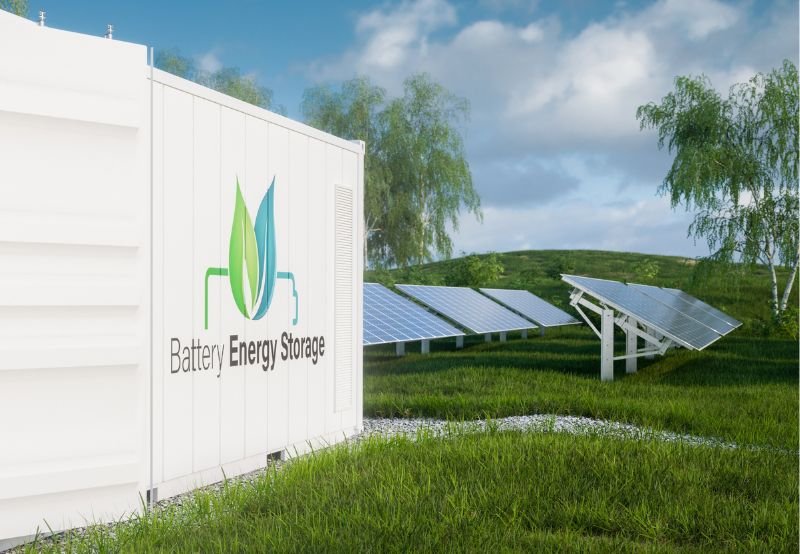
Talk to any solar installer: Tesla Powerwalls fly off shelves, but balance-of-system components? Not so much. Inverter shortages (we’re looking at you, Fronius) and racking system bottlenecks prove hardware diversity matters as much as panel efficiency.
Three Levers for Supply Chain Security
1. Nearshoring with Muscle: First Solar’s Ohio expansion isn’t charity—it’s survival. Domestic module production rose 71% last quarter, but transformers remain MIA.
2. The Inventory Tango: Stockpiling seems wasteful… until hail wipes out a Midwest distributor. Strategic reserves of junction boxes might not be sexy, but neither are project delays.
3. Standardization Without Stagnation: When Q Cells tweaks their panel dimensions by 3mm, installers groan. Some consistency wouldn’t kill innovation.
Winter is Coming (and So Are Tariffs)
Building a resilient solar supply chain isn’t optional—it’s the only way forward. Because when the DOE predicts solar could hit 40% of U.S. generation, they’re assuming we can actually get the parts to make it happen. Time to roll up those sleeves.