Solar Inverter Innovations and Trends Shaping 2025
The solar inverter market is buzzing with optimism, and RE+ 2025 in Las Vegas was the perfect stage to witness it. From residential setups to massive utility-scale projects, inverter companies showcased groundbreaking technologies that could redefine how we harness solar energy. But what’s driving this surge in innovation? Let’s break it down.
Why Inverters Are the Unsung Heroes of Solar
Inverters might not get the spotlight like solar panels, but they’re the backbone of any PV system. Without them, DC power from panels wouldn’t turn into the AC power your home or grid needs. At RE+ 2025, companies like Fronius, SolarEdge, and Huawei rolled out models with higher efficiency ratings, some hitting 99%—a leap from just a few years ago.
Battery Integration: No Longer Optional
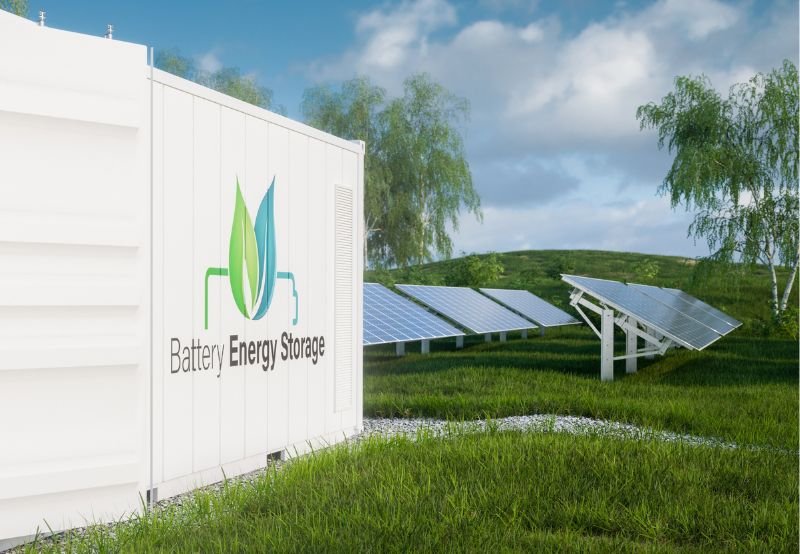
Remember when pairing batteries with solar was a niche luxury? Now, it’s becoming standard. Tesla Powerwall and LG Chem solutions dominated discussions, especially with new inverters designed to seamlessly integrate storage. One standout was Enphase’s bidirectional inverter, which lets homeowners feed excess power back to the grid while keeping reserves.
The Big Debate: Central vs. String Inverters
Utility-scale projects face a classic dilemma. Central inverters handle massive loads but can be a single point of failure. String inverters, like those from SMA, offer modularity but at a higher upfront cost. At RE+, Sungrow teased a hybrid model that blends both approaches—best of both worlds?
Microinverters Gain Traction
For residential systems, microinverters are stealing the show. They’re pricier per unit but maximize output per panel, a win for shaded roofs. Companies like APSystems reported a 30% YoY growth in adoption. “Reliability isn’t a luxury—it’s non-negotiable,” quipped one engineer during a panel talk.
What’s Next for Grid Compatibility?
As grids get smarter, inverters must keep up. New models now support advanced grid-forming capabilities, crucial for regions with high solar penetration. California’s 2020 rollout comes to mind—those early stumbles taught us that inverters need to “talk” to the grid dynamically.
Curious about how these trends affect your next project? Drop your questions in the comments. Meanwhile, one thing’s clear: 2025 might just be the year inverters finally get their due.