RWE Agrivoltaics Plant Doubles Solar Power and Crop Yields
The green energy revolution achieves a breakthrough with RWE’s agrivoltaics demonstration plant in Germany, proving solar panels and crops can thrive together. Farmers gain steady income from solar leases while panels boost yields for shade-loving plants by creating optimal microclimates. This German innovation offers solutions for agricultural regions from Punjab to Tamil Nadu.
Agri-PV Technology: Beyond Conventional Solar Farms
Unlike traditional ground-mount solar farms that remove land from production, agrivoltaics uses elevated structures. The Bedburg project installs bifacial modules 5 meters high – allowing tractor access underneath while increasing strawberry yields by 15% through optimized shade.
The Triple-Benefit Microclimate
- Generates 4.7 MW clean electricity
- Protects crops from extreme weather
- Reduces water evaporation by 19%
During heatwaves, agrivoltaic lettuces required 30% less irrigation than open fields.
Solving Land Use Challenges
Indian developers frequently face NIMBY protests over agricultural land conversion. Agri-PV offers compromise: farmers retain 80% income while adding solar revenue streams. Maharashtra’s Saur Krushi Vahini Yojana solar pump scheme could be expanded with this model.
Smart Energy Integration
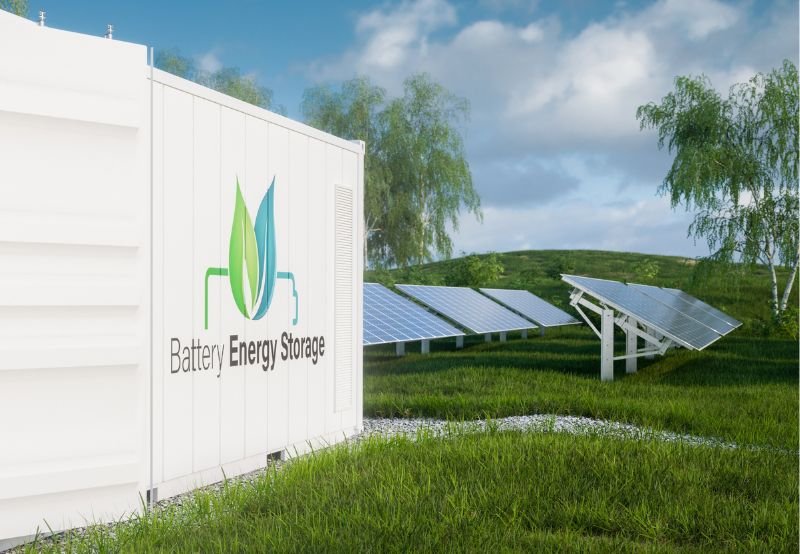
While solar generates daytime power, solutions like Tesla Powerwalls store energy for night irrigation, creating self-sustaining farm ecosystems.
Crop Compatibility Matters
Full-sun crops like wheat perform poorly, but shade-friendly turmeric, ginger and greens thrive. Japanese trials showed 20% higher wasabi yields under panels.
Financial Viability
Though installation costs run 15% higher upfront, dual income streams and 25-year panel lifespans deliver compelling ROI. Rajasthan farmers report 40% higher lifetime earnings per acre.
The Future of Farming
As climate change intensifies, agrivoltaics offers resilience – panels shield crops while vegetation cools panels for better efficiency. With India targeting 280 GW solar by 2030, this German innovation could transform Indian agriculture.