Navigating Solar Markets Without Federal Incentives in 2025
The solar industry has always been a bit of a rollercoaster, hasn’t it? Just when you think you’ve got the policy landscape figured out, something changes. The Inflation Reduction Act’s twists under the Trump administration left many scrambling—some wins, some setbacks, but here we are. Now, as incentives fade, it’s time to ask: How do solar businesses thrive without them?
The Incentive Hangover
Remember when federal tax credits felt like free money? Those days are winding down. By 2025, the ITC drops to 10% for commercial projects—hardly the adrenaline shot it once was. But here’s the twist: this isn’t all bad. Markets like Texas and Florida already operate near grid parity. No handouts? No problem.
Batteries Aren’t Optional Anymore
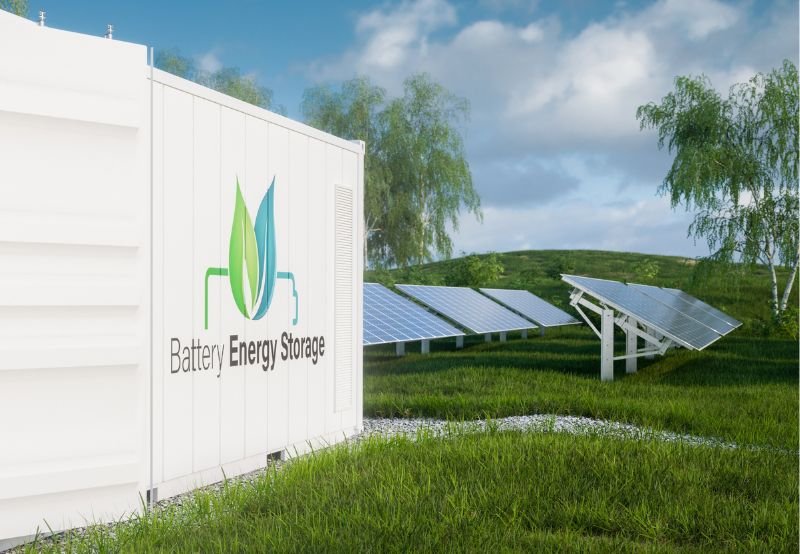
Tesla Powerwall sales jumped 200% in Q2 2025. Why? Because net metering isn’t what it used to be. With utilities clawing back buyback rates, storage is the new solar sidekick. Fronius inverters with built-in battery management? Now we’re talking.
Wait, Solar’s Too Expensive… Or Is It?
A 10kW system costs $22k today. That sounds steep… until you see commercial electricity rates hitting $0.28/kWh in New York. At that price, payback shrinks to 5 years—faster if you DIY with EnergySage quotes.
The Silver Lining Playbook
This reminds me of California’s 2020 rollout—panic followed by record installations. Lesson learned: when incentives vanish, innovation thrives. Think community solar ETFs or heat pump-solar combos. The toolbox isn’t empty; it’s evolving.
What’s Next?
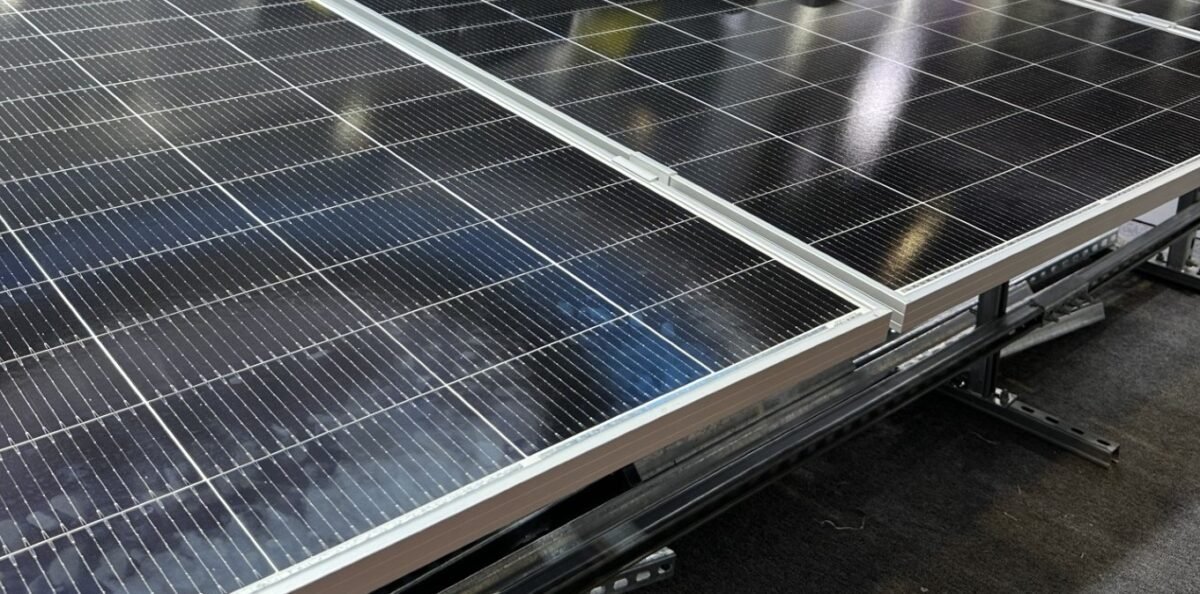
Reliability isn’t a luxury—it’s non-negotiable. As the post-incentive era dawns, lean into durability (those bifacial panels finally make sense) and demand flexibility. The sun isn’t setting on solar; we’re just learning to chase it smarter.